
The Definitive Guide to Moldovan Wine Types: A Journey Through Indigenous Grapes, Regions, and Traditions
Moldova is a country where wine is not merely a beverage but a fundamental pillar of national identity, culture, and economy. With a winemaking history that stretches back over 5,000 years and archaeological evidence suggesting viticulture practices spanning 7,000 years, this small Eastern European nation has cultivated a wine culture that is both ancient and remarkably dynamic . Nestled between the Prut and Dniester rivers, sharing the same latitude as Bordeaux, Moldova boasts the world’s highest vineyard density, with vines constituting 3.8% of the country’s territory . This comprehensive guide explores the diverse types of Moldovan wines, from bold indigenous reds to delicate sparkling whites, and the unique regions that shape them.
The Historical and Cultural Context of Moldovan Wine
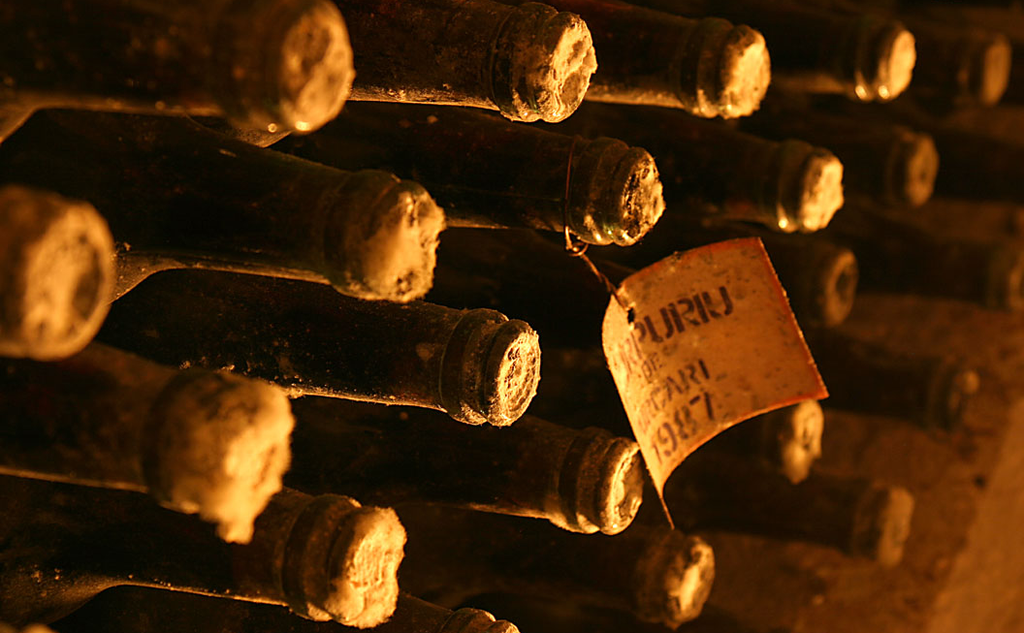
The story of Moldovan wine begins in antiquity. Archaeological discoveries from the Cucuteni-Trypillia Civilization confirm a winemaking tradition spanning more than 7,000 years on the territory of modern Moldova . During the Thraco-Getic and Daco-Roman periods, grape cultivation and wine production became established as a traditional occupation for the local population, with local medieval winemaking representing a continuation of these ancient practices . This deep historical connection has shaped Moldova into what is often called the “wine country” of Eastern Europe.
Throughout centuries of foreign rule and political upheaval, Moldovan winemaking persisted as a symbol of national resilience and identity. The industry faced a significant challenge in the late 19th century with the arrival of phylloxera, which disrupted the natural evolution of local winemaking but also prompted modernization and replanting efforts . During the Soviet era, Moldova became the largest winemaking country within the USSR, though production was often focused on quantity rather than quality, supplying the vast Soviet market with bulk wine.
Since gaining independence in 1992, Moldova’s wine industry has undergone a remarkable transformation. A new generation of winemakers, many educated abroad and returning home, has spearheaded a movement toward authenticity, terroir expression, and quality over quantity . This renaissance has been marked by a strategic pivot toward indigenous grape varieties, which are increasingly positioned at the heart of Moldova’s global identity .
Geographic Indications and Wine Regions of Moldova
Moldova’s viticultural landscape is organized into four principal wine regions, each with distinct microclimates and soil compositions that shape the character of their wines. The country’s wine law, established in 1994, formalized these zones, which had originally been delineated four decades earlier in 1954 .
Codru Region
The Codru region, whose name means “forest” in Romanian, is Moldova’s central and coolest wine-producing area. Located between the Prut and Dniester rivers, this region is characterized by forested terrain and rolling hills that provide ideal conditions for white grape varieties. The cooler climate here produces wines with remarkable freshness and elegance, particularly delicate whites and sparkling wines .
Codru is particularly renowned for its white wines made from varieties such as Riesling, Pinot Gris, Chardonnay, Viorica, and Floricica . The region’s natural conditions are especially favorable for producing light, crisp white wines that showcase vibrant acidity and floral aromatics. The forested landscape contributes to temperature moderation, allowing grapes to ripen slowly and develop complex flavor profiles while retaining balancing acidity.
Ștefan Vodă Region
Situated in southeastern Moldova, the Ștefan Vodă region benefits from maritime influence from the nearby Black Sea, which moderates temperatures and extends the growing season . This region has established itself as a stronghold for high-quality red and white wines, with a particular reputation for elegant, structured reds.
The soils of Ștefan Vodă, often enriched with red clay, have proven ideal for indigenous varieties like Rară Neagră, which achieves exceptional quality in this terroir . The region’s warm climate and extended ripening period allow red grapes to develop optimal phenolic ripeness, resulting in wines with deep color, velvety tannins, and complex flavor profiles. The historic wine villages of Purcari, Răscăieți, Leuntea, Talmaza, and Căușeni—all within the Ștefan Vodă PGI—have been celebrated for centuries for producing Moldova’s most famous red wines from Rară Neagră .
Valul lui Traian Region
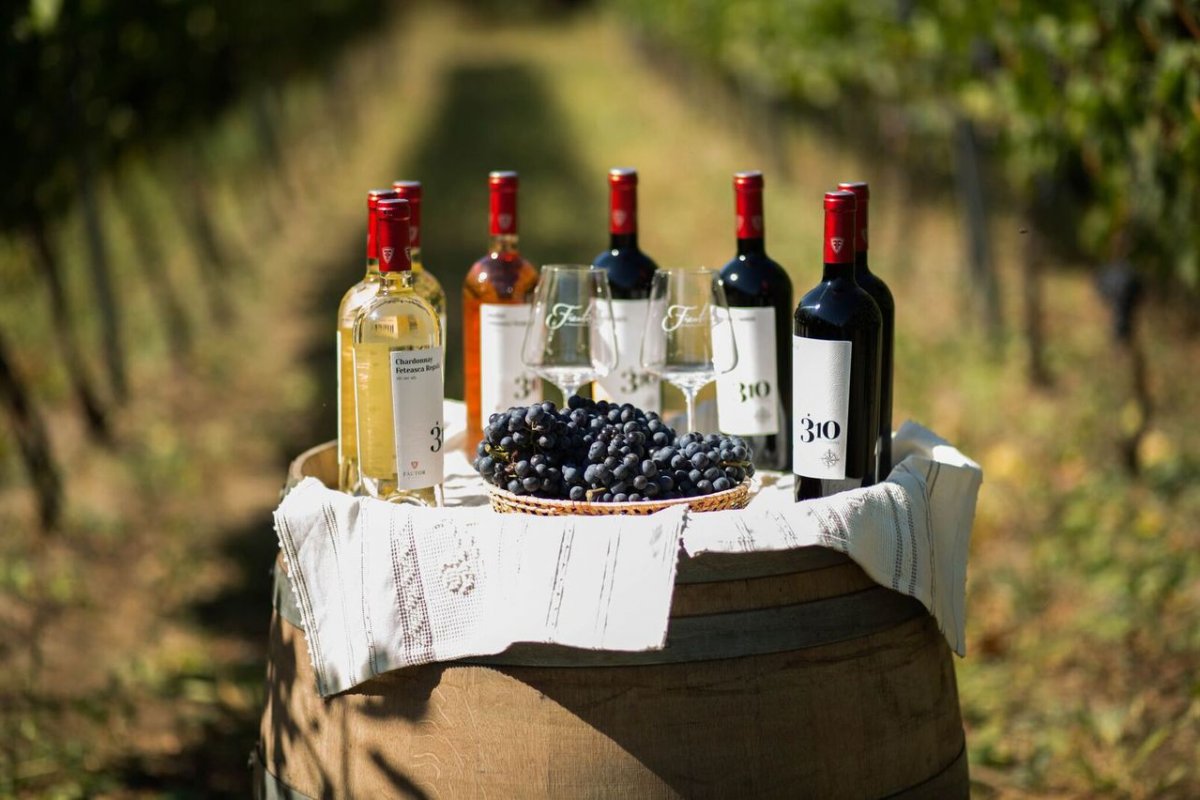
The Valul lui Traian region, named after the ancient Roman emperor Trajan, encompasses the sun-drenched hills and rich soils of southern and southwestern Moldova . This is Moldova’s warmest wine-producing zone, where loamy-sandy soils and Mediterranean climatic influences create ideal conditions for robust, structured red wines.
Valul lui Traian is the stronghold of Fetească Neagră, where the grapes achieve optimal phenolic ripeness, producing wines with deep color, concentrated fruit flavors, and velvety tannins . The region’s sunny slopes and warm temperatures allow red varieties to fully express their power and complexity. International varieties such as Cabernet Sauvignon, Merlot, and Pinot Noir also thrive here, producing wines with rich fruit character and impressive structure.
Bălți Region (Northern Zone)
The northern zone, centered around the city of Bălți, is distinguished by its cooler climate, which is particularly suited to varieties used for brandy production and sweet wines . The region also cultivates table grapes, benefiting from the moderating effects of northern latitude and continental climate patterns.
White varieties such as Aligote, Pinot, Fetească, and Traminer find excellent expression in this zone, producing wines with bright acidity and distinctive varietal character . The northern region’s conditions are particularly favorable for the production of brandy alcohols and dessert wines, which require specific sugar and acid profiles.
The Divin Region
Moldova also has a dedicated region for the production of Divin, the country’s protected designation for brandy. Divin production follows strict regulations, with the youngest category requiring a minimum of five years of aging . The production of this spirit is deeply intertwined with Moldova’s wine culture, utilizing grape varieties and distillation traditions that reflect the country’s unique terroir.

Indigenous Grape Varieties: The Heart of Moldovan Identity
Moldova’s most compelling wine story lies in its indigenous grape varieties, which deliver wines with a profound sense of place and a distinct national character. These native grapes, covering approximately 10% of vineyard area, are at the center of Moldova’s strategy to carve out a unique global identity in the competitive international wine market .
Fetească Albă
Fetească Albă is the most planted indigenous white grape in Moldova, forming the backbone of many blends and producing distinctive varietal wines . This ancient variety produces wines with floral aromatics, fresh citrus notes, and a light to medium-bodied profile . Fetească Albă wines are characterized by their freshness and approachability, with aromas reminiscent of white flowers, green apple, and sometimes a subtle honeyed note. The grape’s versatility allows it to be vinified in various styles, from crisp, stainless-steel-fermented wines to more complex expressions with barrel aging.
Fetească Regală
Fetească Regală, whose name means “Royal Maiden,” occupies second place among indigenous varieties by planted area in Moldova . This variety is believed to be a natural cross between Fetească Albă and Grasă de Cotnari, combining the best characteristics of both parents .
Fetească Regală produces wines with a typical floral and grapefruit aroma, accompanied by shades of fresh pear and citrus . The wines typically have a fuller and more textured taste than their parent varieties, with fine tannins from the grape skins contributing to aging potential. Winemakers can produce medium-bodied wines when vinified in stainless steel or full-bodied, barrel-aged expressions with intense aromas and extended aging capability .
Fetească Neagră
Fetească Neagră is one of Moldova’s most celebrated red grape varieties, with a history spanning more than 2,000 years and origins traced to the Prut River valley in southwestern Moldova . Recent DNA profiling has suggested that this variety is not a mutation of the white Fetească Albă, as previously thought, but rather an ancient variety in its own right, with at least four different mutations identified .
This variety produces high-quality red wines characterized by wild, purple cherry aromas, concentrated berry taste, and good structure . The aromatic profile includes notes of berries, cherries, plums, and black raisins, with subtle spicy hints reminiscent of cinnamon, black peppercorns, and vanilla that become richer and finer with age . Fetească Neagră reaches its highest expression in the Valul lui Traian region, where warm conditions allow for optimal phenolic ripeness, resulting in structured reds with deep color and velvety tannins .
Rară Neagră
Rară Neagră, also known as Băbească Neagră, is an ancient variety believed to have been cultivated since Geto-Dacian times in southeastern Romania and the territory of modern Moldova . The grape has a relatively pale color, delicate, light tannins, and a taste of spicy berries, having acclimatized particularly well to the sunny hills of southern Moldova .
Scientific data indicates that Rară Neagră has been cultivated since ancient times in many localities in Moldova, with the best and most famous wines obtained in Purcari, Răscăieți, Leuntea, Talmaza, and Căușeni—all within the Ștefan Vodă PGI . The soils enriched with red clay in this region are perfect for Rară Neagră, offering the variety a silky texture and a complex, balsamic profile . Wines from this grape are approachable with gentle tannins, spicy berry flavors, and subtle notes of dried fruit and vanilla .
Viorica
Viorica is a modern Moldovan selection variety that has gained recognition for its vibrant aromas and distinctive character. Developed through crossbreeding, Viorica produces wines with intense floral and grapefruit aromas, often accompanied by notes of fresh pear and citrus . The wines typically have a fuller and more textured palate than might be expected from their aromatic profile, making them both aromatic and satisfying.
Alb de Onițcani
Alb de Onițcani is another new selection variety celebrated for its vibrant aromas and distinctive Moldovan character . Along with Viorica, it represents the forward-looking approach of Moldova’s wine industry, combining traditional grape breeding knowledge with modern viticultural science to create varieties uniquely adapted to local conditions.
Codrinschi
Codrinschi is a relatively new selection grape that adds depth and complexity to Moldovan red wines. Known for its rich color and intense flavors, this variety is gaining popularity among producers seeking to create distinctive blends that express Moldovan terroir . The grape’s name references the Codru region, suggesting a strong connection to its place of origin.
Other Indigenous and Local Varieties
Moldova’s viticultural heritage includes several additional local varieties that contribute to the diversity of its wine offerings. These include Legenda and Riton, along with varieties developed through popular selection over generations . The country also cultivates more than 100 grape varieties in total, including international varieties that have adapted well to local conditions .
International Grape Varieties in Moldova
While indigenous varieties form the heart of Moldova’s wine identity, international grape varieties occupy approximately 70% of the country’s vineyard area and play a crucial role in the industry’s export success . These varieties have found a second home in Moldova’s favorable climate and soils, often producing wines that rival their counterparts in traditional regions.
White International Varieties
Chardonnay thrives throughout Moldova, producing wines that range from crisp, unoaked styles to rich, barrel-fermented expressions with notes of butter, vanilla, and ripe stone fruit. Sauvignon Blanc is widely planted, yielding wines with distinctive varietal character including grassy, herbaceous notes and bright citrus flavors. Riesling finds excellent expression in the cooler Codru region, producing wines with vibrant acidity and complex aromatics .
Aligote is particularly important in Moldova, especially in the northern regions, where it produces fresh, crisp wines with bright acidity and subtle floral notes . Pinot Gris and Pinot Blanc also perform well, contributing to both still and sparkling wine production. Rkatsiteli, a variety with Georgian origins, has found a significant home in Moldova’s vineyards, producing wines with distinctive character and good structure .
Red International Varieties
Cabernet Sauvignon is the most widely planted red international variety in Moldova, producing wines with rich cassis flavors, structured tannins, and good aging potential . Merlot thrives alongside Cabernet, offering softer tannins and plummy fruit character that makes it valuable both for varietal wines and blends. Pinot Noir, while more challenging, produces elegant wines in cooler sites, particularly in the Codru region.
Saperavi, a variety of Georgian origin, has found a particularly welcoming home in Moldova, where it is used both as a varietal wine and in blends to enhance color and structure . The grape’s deep color and robust character complement Moldova’s indigenous red varieties, creating distinctive blends that express both local and international influences.
Classification of Moldovan Wines
Moldovan wine law establishes comprehensive classifications that help consumers and professionals understand the diverse range of wines produced in the country. These classifications address grape variety composition, color, quality level, and production method.
Classification by Grape Composition
According to Moldovan regulations, wines are classified by their grape composition into three categories :
Pure Variety Wines (Vinuri de soi) are produced from a single grape variety, though up to 15% of other varieties of the same color and shape may be used in processing. These wines showcase the distinctive characteristics of their primary grape variety.
Blended Wines (Vinuri de cupaj) are created by blending wines from different grape varieties according to specific proportions. This category allows winemakers to craft complex, balanced wines that combine the strengths of multiple varieties.
Mixed Wines (Vinuri de amestec) are produced by mixing grapes of different varieties during harvest or processing, rather than blending finished wines. This traditional approach creates field blends with unique character.
Classification by Color
Moldovan wines are classified by color into white, rosé, and red categories . This fundamental classification applies across all quality levels and production methods.
Classification by Quality and Aging
Moldovan wine law distinguishes between ordinary wines and high-quality wines based on production standards and aging :
Ordinary Wines include new wines (sold in the year of harvest) and aged ordinary wines (sold from the second year after harvest). These wines are typically intended for early consumption.
High-Quality Wines are divided into aged high-quality wines, which must be stored in production facilities for at least six months, and vintage wines (vinuri de colecție), which require additional bottle aging of at least two and a half years . These aging requirements ensure that high-quality wines develop the complexity and character expected of premium products.
Classification by Production Method
Moldovan regulations distinguish between naturally produced wines and special wines :
Naturally Produced Wines result from full or partial alcoholic fermentation of grapes, grape must, or grape skins, containing only natural bioethanol. These wines are further classified by sugar content into dry (up to 4 g/L), semi-dry (5-25 g/L), and semi-sweet (30-50 g/L) categories .
Special Wines (Vinuri speciale) are produced using specific technological methods that give them distinctive sensory characteristics. This category includes fortified wines, aromatic wines, sparkling wines, and honey wines . Each subcategory follows specific production protocols that define its character.
Sparkling Wines of Moldova
Moldova has developed a significant sparkling wine tradition, producing both traditional method and tank method sparkling wines that have gained international recognition . The country’s sparkling wine production benefits from favorable growing conditions and the expertise developed over decades of production.
Moldovan sparkling wines are classified according to sugar content into categories including brut nature (maximum 3 g/L sugar), extra brut, brut (maximum 12 g/L), extra sec, sec, demisec, and demidulce . For consumers seeking the driest styles, brut nature, extra brut, and brut offer maximum 12 g/L sugar content .
The quality of Moldovan sparkling wines is often indicated by the fineness and persistence of their bubbles. Small, enduring bubbles are characteristic of high-quality sparkling wines produced using the traditional method, which involves secondary fermentation in the bottle . This method, also used in Champagne, creates complex flavors and aromas through extended yeast contact, contributing notes of brioche, pastry, and nuts to the wine’s profile.
Sparkling wines from Moldova are best served at 8-10°C for white and rosé styles, and 12-14°C for red sparkling wines . Proper serving temperature enhances the perception of freshness and allows the bubbles to form a fine, persistent bead that carries aromas to the nose.
Unique Moldovan Wine Styles
Beyond the standard categories of still and sparkling wines, Moldova produces several distinctive wine styles that reflect local traditions and innovative approaches.
Natural and Low-Intervention Wines
A growing number of Moldovan producers are embracing natural, biodynamic, and low-intervention winemaking practices . These wines are made with minimal additions, allowing the true character of the grape and terroir to express itself without manipulation. Moldova’s favorable growing conditions, with low disease pressure and clean soils, make it particularly well-suited to these approaches .
Barrel-Aged and Extended-Aging Wines
Moldovan winemakers increasingly utilize barrel aging to add complexity and texture to both indigenous and international varieties. Fetească Regală and Fetească Albă benefit from careful oak treatment, gaining body and aromatic complexity while retaining their characteristic freshness . Red wines from Fetească Neagră and Rară Neagră also respond well to barrel aging, developing softer tannins and additional layers of flavor.
Innovative Blends
Moldovan producers are creating innovative blends that combine indigenous varieties with international grapes to create wines that are both distinctive and accessible. Blends of Fetească Neagră with Cabernet Sauvignon or Merlot, and Rară Neagră with Saperavi, showcase the potential of Moldovan terroir while offering familiar flavor profiles to international consumers.
The AI Wine Innovation
Moldova has pioneered the use of artificial intelligence in winemaking, with an “AI Wine” that represents the intersection of tradition and technology . This innovative approach demonstrates the forward-looking attitude of Moldova’s wine industry while respecting the country’s ancient winemaking heritage.
The Underground Wine Cities
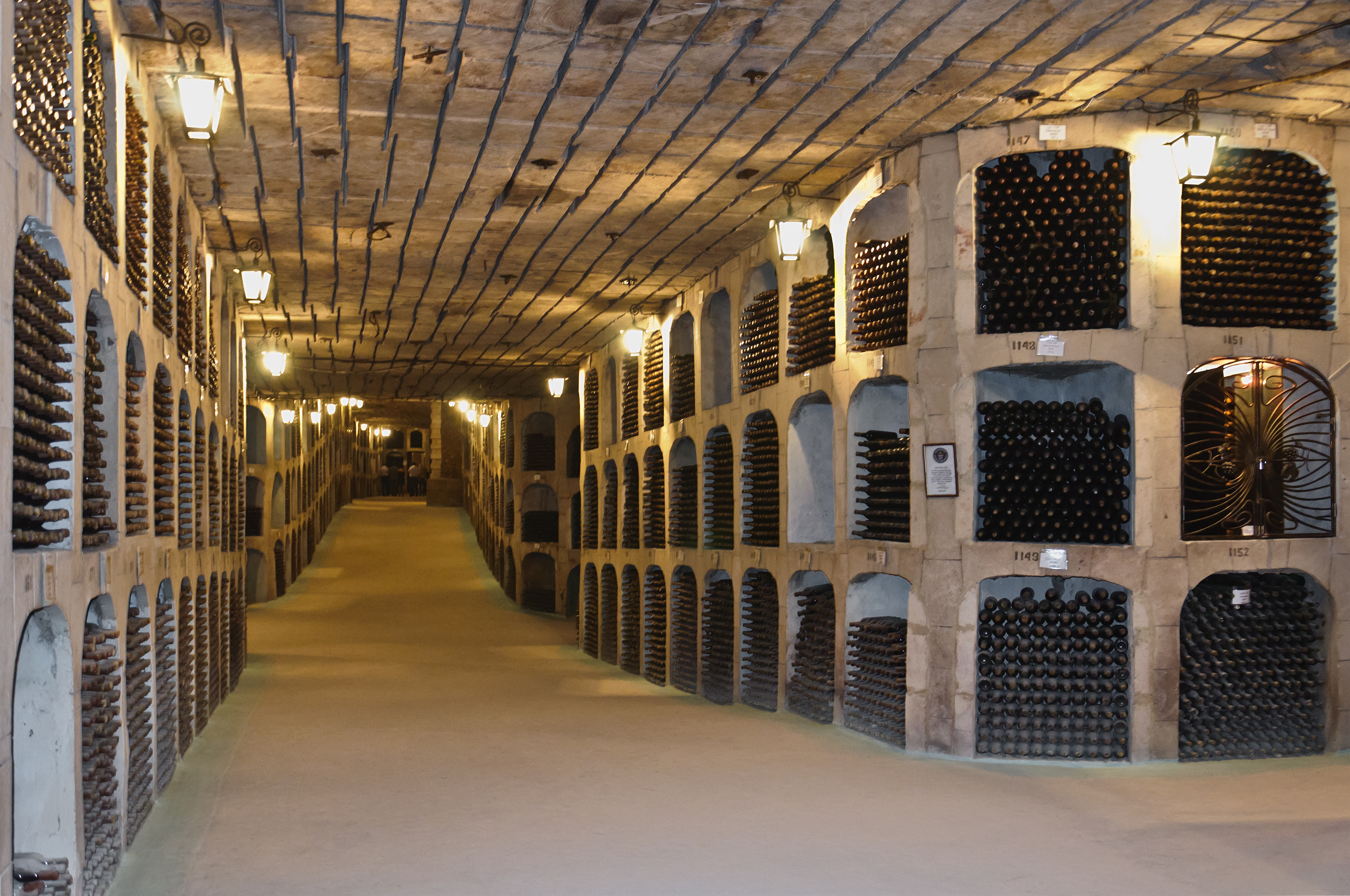
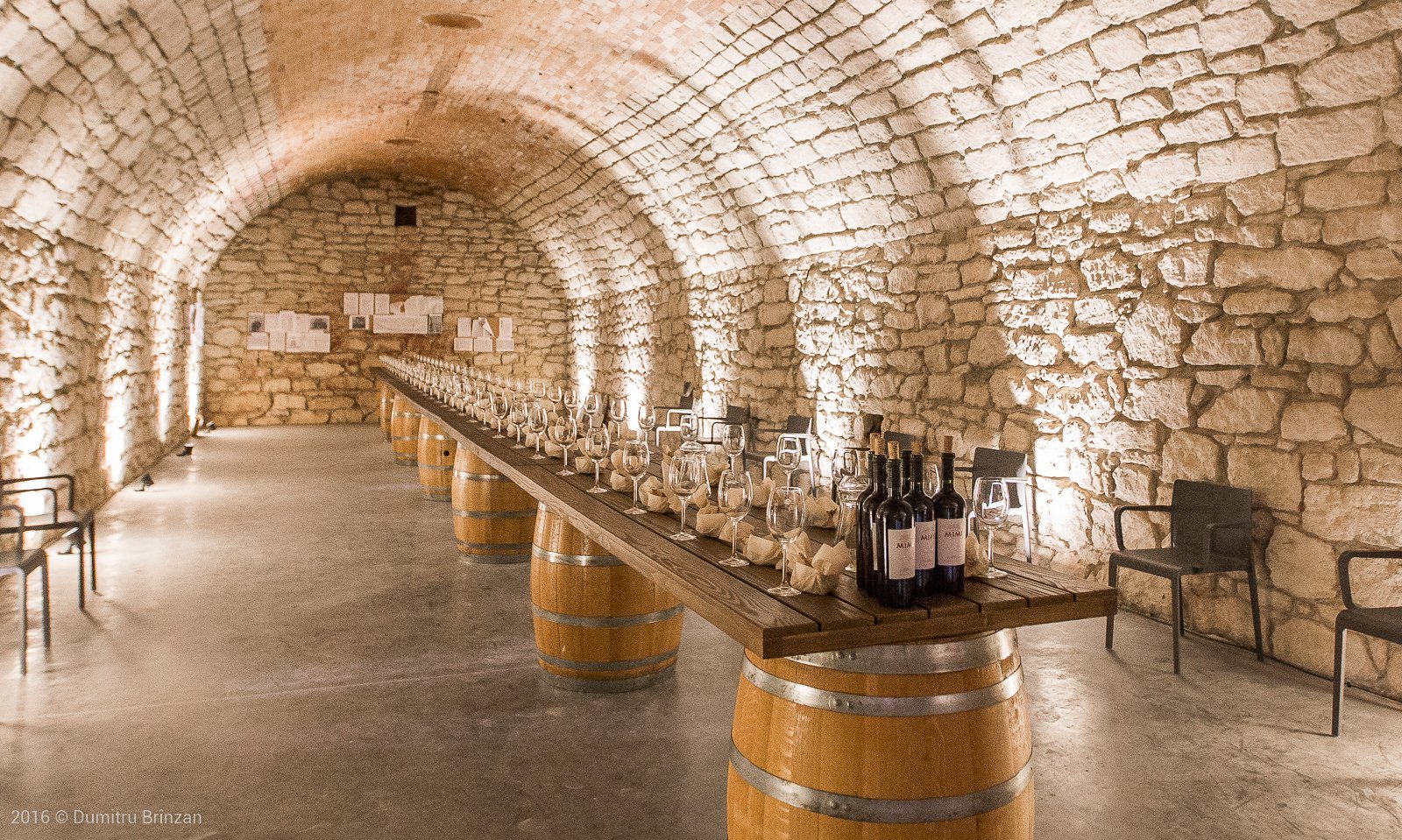
No discussion of Moldovan wine would be complete without acknowledging the country’s extraordinary underground wine cellars, which represent both practical storage solutions and remarkable tourist attractions.
Cricova
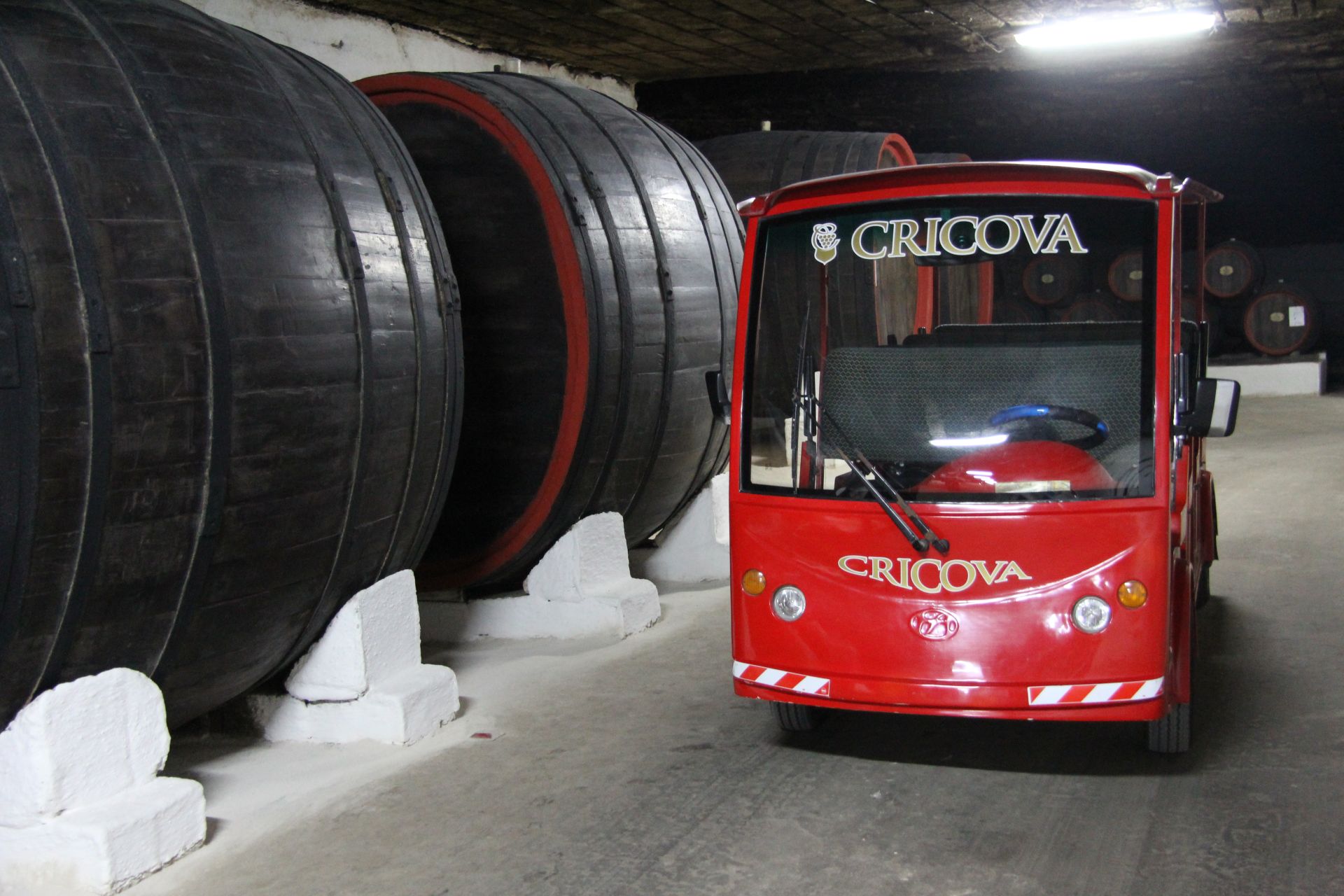
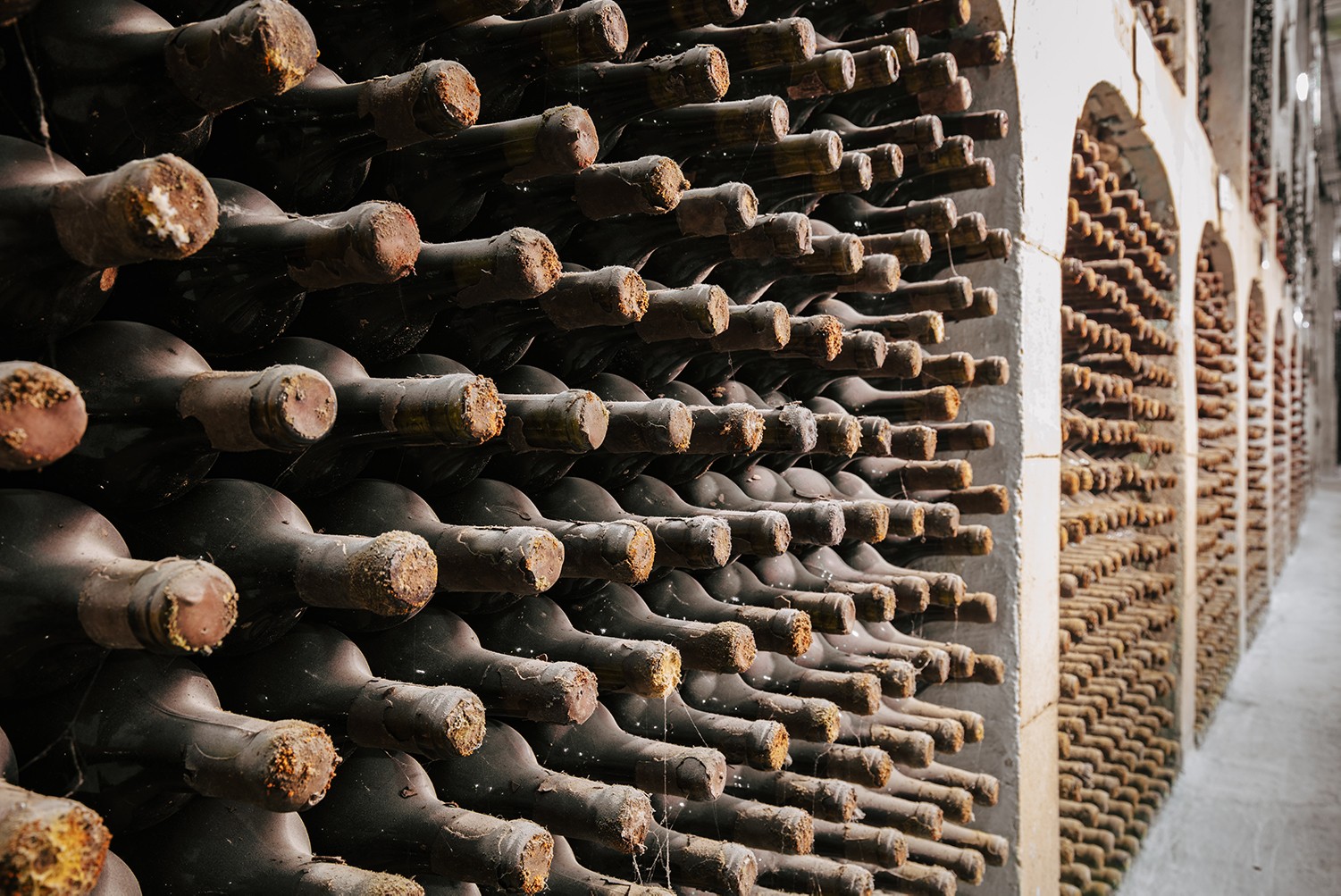
Cricova, located about 20 kilometers from Chișinău, is one of Eastern Europe’s most famous wine cellars, with more than 120 kilometers of underground galleries . The cellars hold nearly two million bottles, some dating back to World War II, and maintain a constant temperature of 12°C that ensures ideal preservation . Visitors explore the underground city by electric cart, traveling through streets named after grape varieties, passing tasting rooms, storage cellars, and even an underground cinema .
Mileștii Mici
Mileștii Mici holds the Guinness World Record for the largest wine cellar, with more than 200 kilometers of underground galleries and a collection exceeding 1.5 million bottles . Located at a depth of approximately 85 meters, the cellars are carved into limestone and maintain stable conditions for wine aging . The underground network is so extensive that visitors travel by car through the galleries, which are named after famous grape varieties and Moldovan cities.
Purcari and Other Historic Cellars
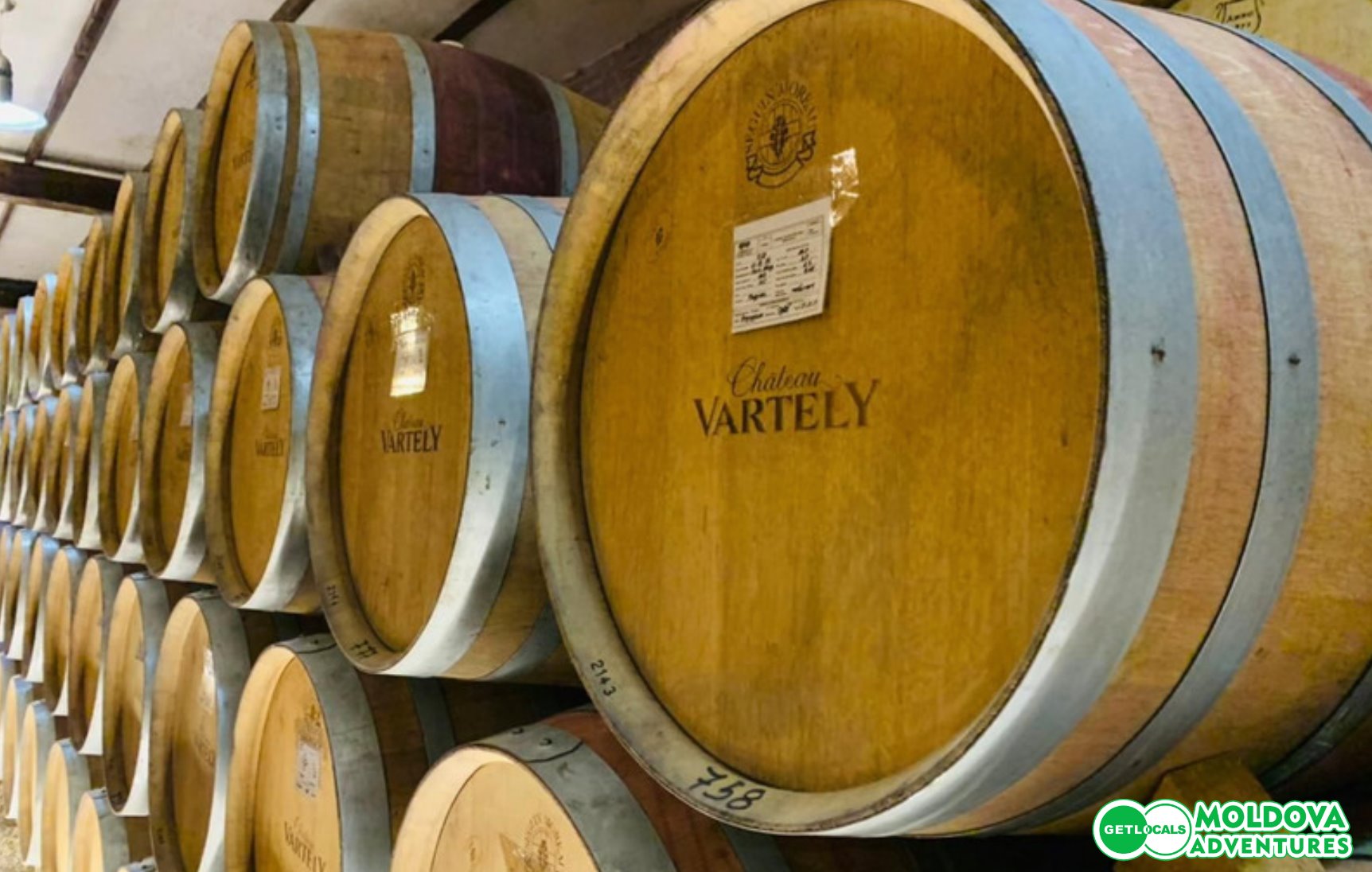
The historic Purcari winery, established in 1827, holds a special place in Moldovan wine history. Its cellars and wines have been celebrated for nearly two centuries, with Rară Neagră from Purcari gaining international recognition as early as the 19th century. Other notable cellars include Château Vartely and Et Cetera, which offer more intimate experiences while maintaining high standards of quality and hospitality .
Conclusion: The Future of Moldovan Wine
Moldova’s wine industry stands at an exciting crossroads, balancing deep respect for its ancient traditions with a forward-looking commitment to quality, authenticity, and international recognition. The strategic focus on indigenous grape varieties—Fetească Albă, Fetească Regală, Fetească Neagră, Rară Neagră, Viorica, and others—has given Moldova a unique selling proposition in the competitive global wine market .
With over 7,000 international medals gained at competitions in the last decade, Moldova is Eastern Europe’s most awarded wine country . This recognition reflects the remarkable transformation of an industry that once prioritized quantity over quality to one that now competes on the world stage through wines of distinctive character and exceptional value.
For wine lovers seeking discovery, Moldova offers something increasingly rare: authentic wines that express a unique terroir and cultural heritage, produced by passionate winemakers who are proud of their country’s winemaking traditions yet eager to engage with the global wine community. Whether exploring the underground wine cities, tasting a glass of Fetească Neagră in the sunny hills of Valul lui Traian, or enjoying a crisp Fetească Albă from Codru, visitors to Moldova’s wine world embark on a journey through time, taste, and tradition that is unlike any other.
Book your Moldovan wine tasting with Moldova tours.

Bryn Jacobs Chief Editor
Hello dear Travelers! I am Bryn Jacobs and I am your travel advisor. Having a vast experience in traveling throughout Eastern Europe and having researched this part of the world myself. I write articles on the site about travel experiences in Eastern Europe with statistics and interesting facts.