
 GetLocals Classics








Moldova: Europe’s Last Authentic Escape
There is a particular kind of traveler who feels a quiet disappointment upon arriving in a city that has been perfectly curated for their consumption. The cobblestones are too clean, the “local” restaurants serve identical menus in four languages, and the entire experience feels less like discovery and more like walking through a museum exhibit. For those travelers, Moldova is a revelation. Let us learn more about Moldova tours Chisinau.
Moldova remains one of the least visited countries in Europe, and this is precisely its greatest asset. While neighboring Romania and Ukraine have seen their fair share of tourism, Moldova has quietly preserved a way of life that has largely disappeared from the rest of the continent. This is a country where the Soviet-era architecture has not been polished into boutique hotels, where village life still follows agricultural rhythms, and where the wine cellars are not staged for Instagram but are simply places where wine has been made for generations.
The country’s authenticity is not a marketing strategy; it is a lived reality. Foreign tourists who visit often come seeking exactly this quality. As one local guide noted, travelers from as far as Chile, New Zealand, and Australia are now making their way to Moldova because they seek destinations where they can find “peace of mind, enjoy picturesque scenery, and experience warm hospitality”. These visitors often arrive with low expectations, influenced by outdated stereotypes, but leave “much more impressed by what they’ve seen than they were when they first arrived”.
The experience of exploring Moldova is one of discovery rather than consumption. In Chișinău, the capital, you will not find a sanitized historic center designed for tourists. Instead, you will find a living city where brutalist Soviet architecture sits alongside grand Orthodox cathedrals, where markets overflow with seasonal produce, and where the pace of life remains unhurried. The city has been described as “not designed for the tourist,” a place where “life happens in the streets, in the parks, and in the bars”. This is not a criticism; it is an invitation to experience something real. Moldova has many hidden gems.
Beyond the capital, Moldova’s countryside offers landscapes of rolling hills, vineyards, and traditional villages that seem to exist outside of time. The country’s wine culture runs deep, with underground cellars that stretch for kilometers and family-run wineries where the winemaker himself might pour your tasting. This is not the polished wine tourism of Tuscany or Bordeaux, but something more intimate and genuine—a tradition that belongs to the people rather than the industry.
For the traveler seeking four days of genuine exploration, the following tours capture the essence of what makes Moldova extraordinary. Let us look at some day trips from Chisinau.
The Soviet Time Capsule: Transnistria Tour
Transnistria is a self-declared republic that exists within Moldova’s internationally recognized borders but operates as a separate entity. Visiting here is often described as stepping into a time machine, as the region has preserved Soviet-era monuments, aesthetics, and even currency in a way that feels almost surreal. The tour typically includes visits to Tiraspol, the region’s capital, where you will encounter statues of Lenin, Soviet-era mosaics, and the imposing Bendery Fortress. This is not a theme park version of history; it is a living, functioning society that has chosen to preserve its Soviet identity. Travelers consistently describe the experience as safe, fascinating, and unlike anything else in Europe.
The Spiritual and Natural Wonder: Old Orhei and Curchi Monastery
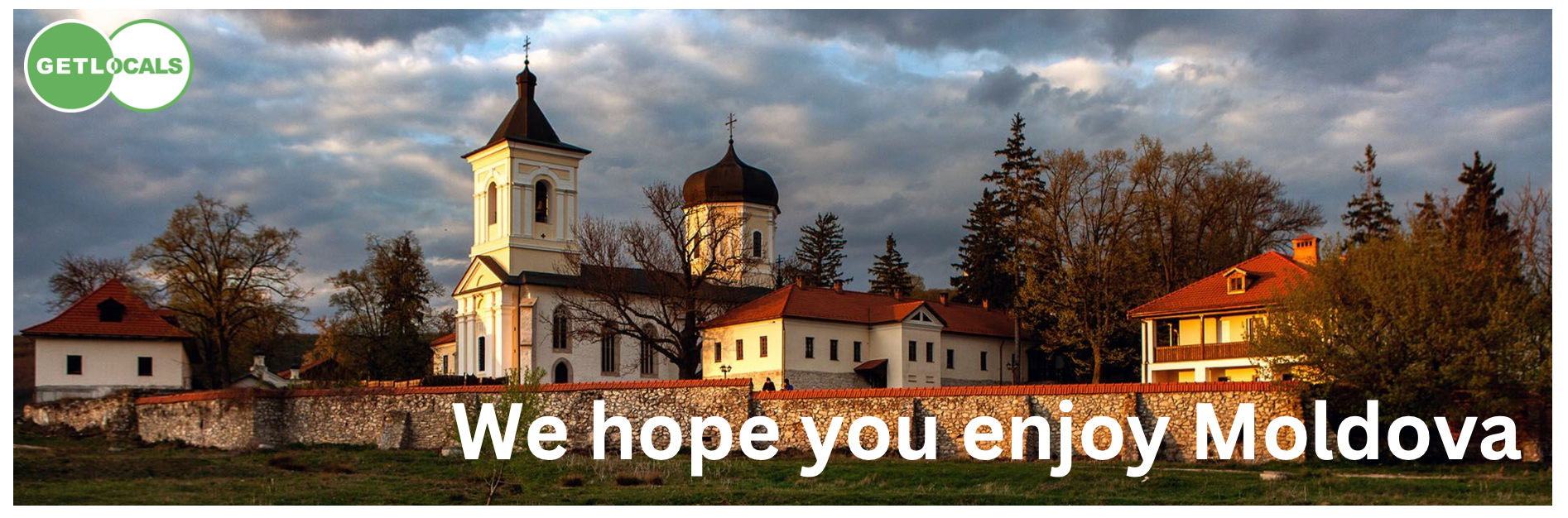
Old Orhei (Orheiul Vechi) is Moldova’s most evocative archaeological and spiritual site. Here, a medieval cave monastery is carved directly into limestone cliffs overlooking the Răut River, offering views that have inspired visitors for centuries. The experience of stepping from bright sunlight into the candlelit stillness of the cave church, with its simple icons and windows cut into the rock face, is profoundly moving. Combined with a visit to Curchi Monastery, one of the country’s most beautiful monastic complexes, this tour offers a window into Moldova’s deep Orthodox heritage and its connection to the natural landscape. Many tours include a stop in the village of Butuceni, where visitors can learn to make traditional placinta (Moldovan pastries) and experience rural hospitality firsthand.
The Underground Wonder: Cricova and Mileștii Mici Wine Cellars
Moldova’s wine cellars are legendary, and for good reason. Cricova, located just fifteen kilometers from Chișinău, boasts over 120 kilometers of underground galleries carved from limestone mines, where sparkling wines are still produced using the traditional Champenoise method. The scale of these cellars is staggering, and the experience of driving through underground “streets” lined with thousands of bottles is unforgettable. Mileștii Mici, meanwhile, holds the Guinness World Record for the largest wine collection in the world, with approximately two million bottles stored in its galleries. A tour combining both cellars offers an immersion into Moldova’s winemaking heritage that no other country can replicate.
The Complete Introduction: Chișinău Walking Tour with Wine Tasting
For a first orientation to Moldovan life, a walking tour of Chișinău is essential. The capital is compact, green, and walkable, with highlights including the Great National Assembly Square, the Triumphal Arch, and the Nativity Cathedral. A good walking tour will also introduce you to the city’s excellent café culture and its emerging food scene. Combining the walk with a wine tasting—either at a local wine bar or as part of a broader tour—provides a perfect introduction to the country’s twin passions: its cities and its wine.
Moldova is not a destination for those seeking polished perfection. It is a destination for travelers who value authenticity, who want to feel that they have discovered something rather than simply visited it. The country is changing, slowly but surely, as tourism gradually increases. But for now, it remains one of the last places in Europe where the experience of travel feels genuinely unmediated—where you are not a consumer of culture but a guest in a living, breathing country.