
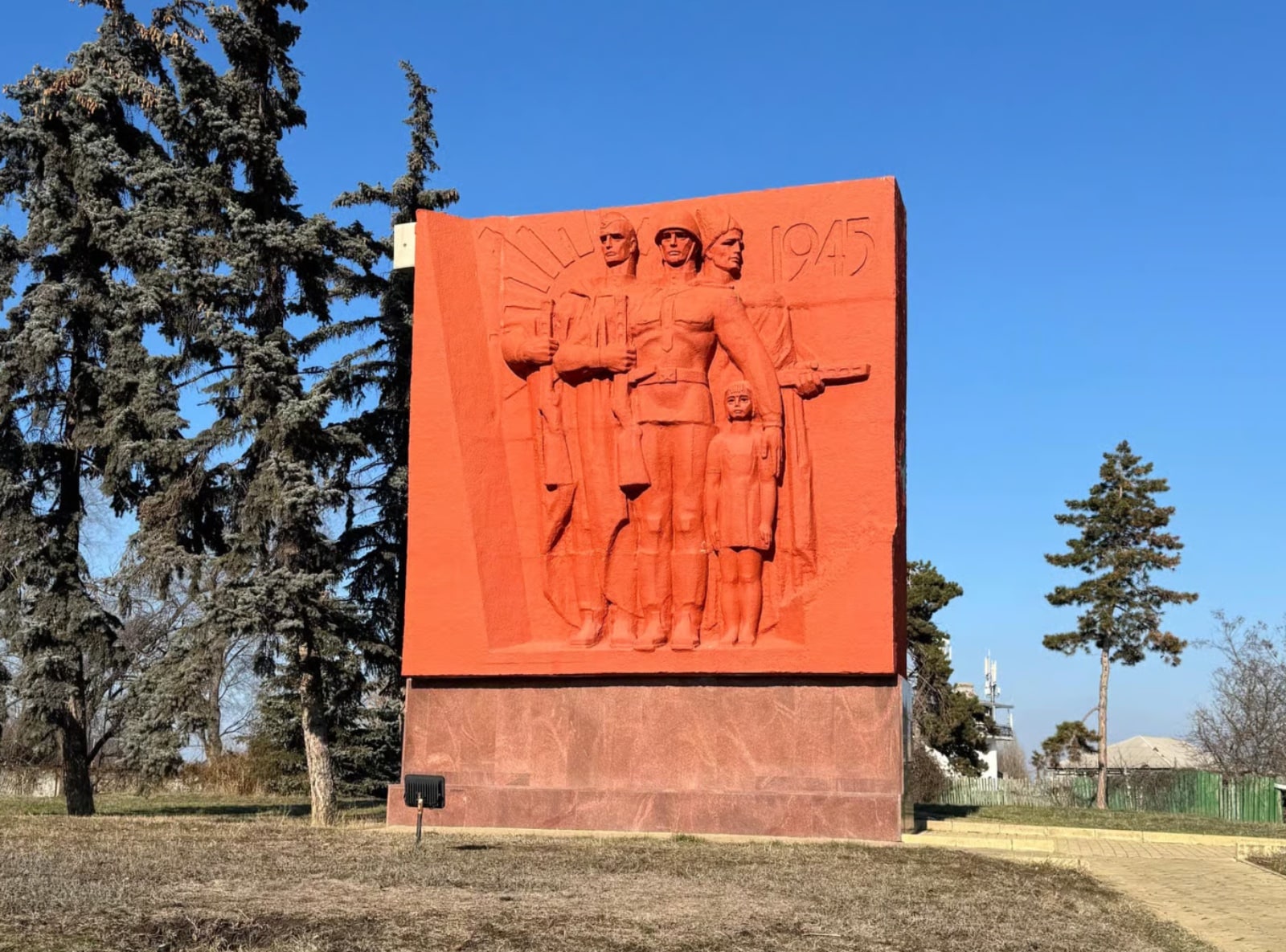
A Soviet history tour in Chișinău is far more than a simple walk past grey, monolithic buildings. It is an immersive journey into the profound and often contradictory legacy of the 20th century’s defining political experiment, exploring how it reshaped the very DNA of a city and a nation. Unlike the Baltic States, which have often sought to aggressively distance themselves from their Soviet past, Moldova’s relationship with this era is complex. It is marked by a deep integration, subsequent post-Soviet turmoil, and a legacy that is still being processed and debated. On these tours, the architecture, monuments, and stories are not just historical artifacts; they are the physical remnants of a system that brought both industrialization and repression, modernist utopianism and stark totalitarian control. They offer a window into a world that, while officially dissolved, still casts a long shadow over the present.
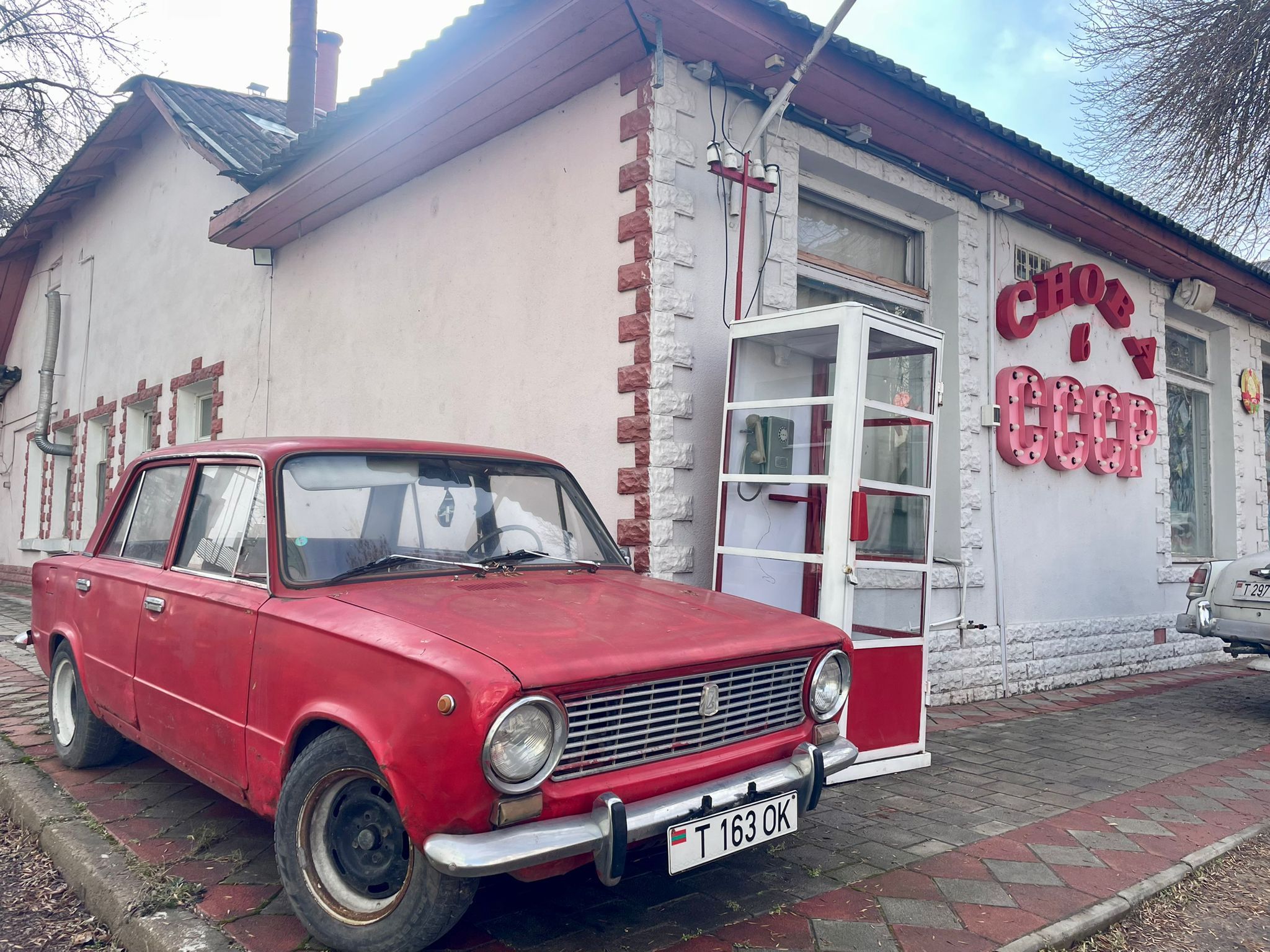
You can expect a range of experiences, from exploring the preserved heart of a breakaway state that still flies the Soviet flag to navigating the bustling, chaotic flea markets where the remnants of daily life are bought and sold. The best tours are led by passionate guides, often described as “archaeologists of communism,” who don’t just lecture but provoke thought, allowing you to draw your own conclusions about this layered and sometimes painful history.
Monuments to Power and Ideology
Your tour will likely begin in the very heart of the city, the Great National Assembly Square (Piața Marii Adunări Naționale). This vast, open space is the symbolic epicenter of Moldova’s modern history, but you will learn to see it through its Soviet eyes as the former Victory Square (Piața Biruinței), the ultimate ceremonial ground for the regime. Dominating the square is the colossal Government House of Moldova. Built in the 1970s, this is a prime example of Stalinist-classical architecture, designed with distinctive white stone to project the unshakeable authority of the Communist Party. It still houses the parliament, a powerful symbol of continuity in a post-Soviet state.
Nearby, you will encounter the Monument to Stephen the Great (Ștefan cel Mare), Moldova’s national hero. Your guide will explain how his statue was carefully co-opted by Soviet authorities and preserved as a symbol of local pride, seamlessly integrated into the broader Soviet ideological narrative as a “progressive” historical figure. This juxtaposition perfectly illustrates the Soviet strategy of co-opting national symbols to serve the imperial project.
To understand the ideological machinery, the tour may stop at the building that once housed the Central Committee of the Communist Party of Moldova, where key decisions affecting millions were made. You will also likely visit the National History Museum of Moldova, a building with a deep Soviet past. Your guide will reveal how the museum’s collection and narrative were once meticulously curated to serve a Marxist-Leninist historiography, a powerful lesson in how the state controlled the very writing of history.
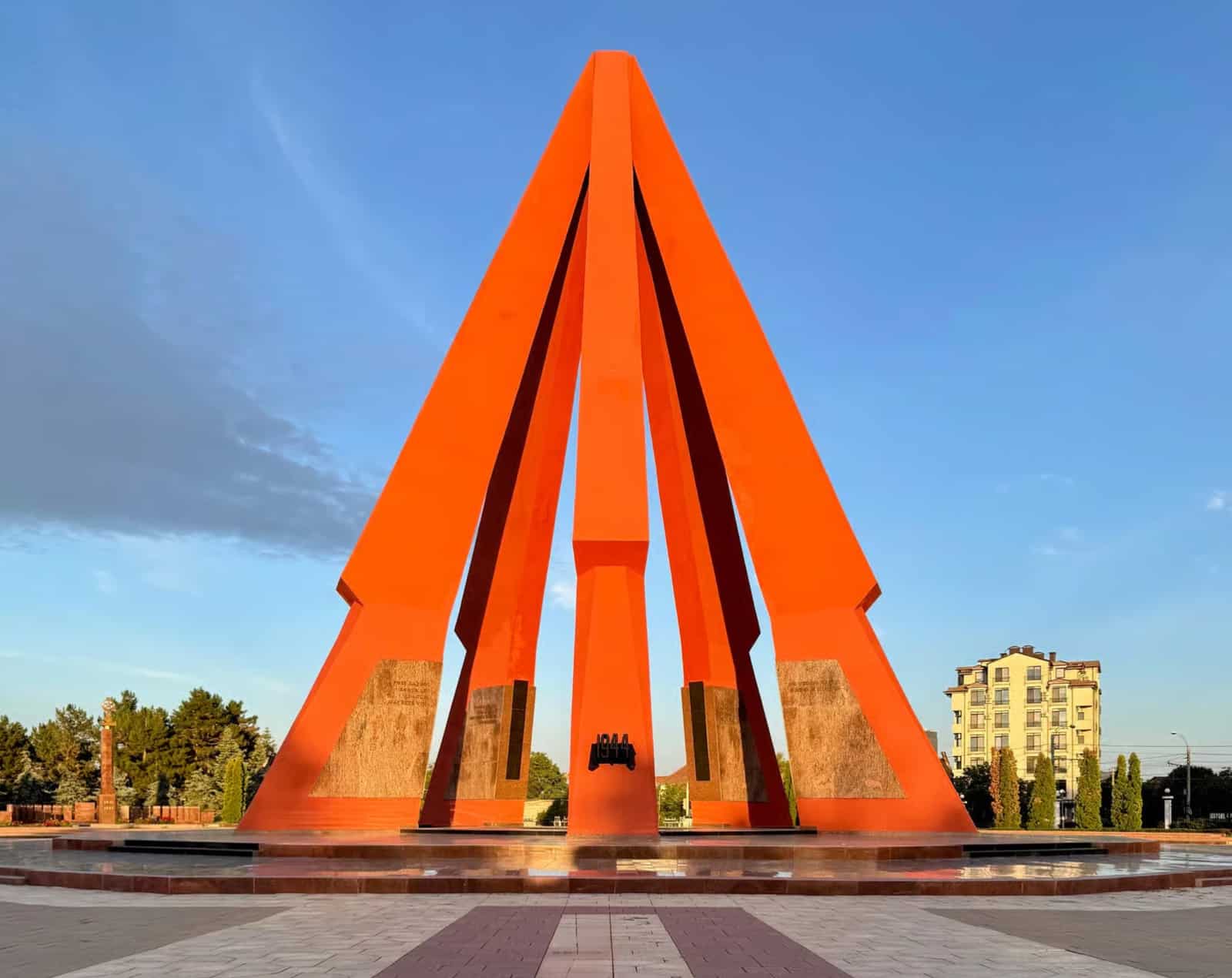
Architecture of Everyday Life and Control
To see how Soviet ideology functioned on a human scale, the tour will shift from grand squares and monolithic government buildings to the planned neighborhoods built for the masses. You’ll travel to districts like Botanica or Râșcani, vast areas of nearly identical, prefabricated concrete apartment blocks known as panelák or microraions. These districts were the Soviet solution to the post-war housing crisis, providing basic, standardized accommodation for millions. A guide can give context to their construction, the social life they were designed to foster (and often stifle), and their enduring role as home for a majority of Chișinău’s residents today. It is a walk through the living legacy of Soviet urban planning, where the grand ambition for a collectivist society was realized in the grey uniformity of concrete.
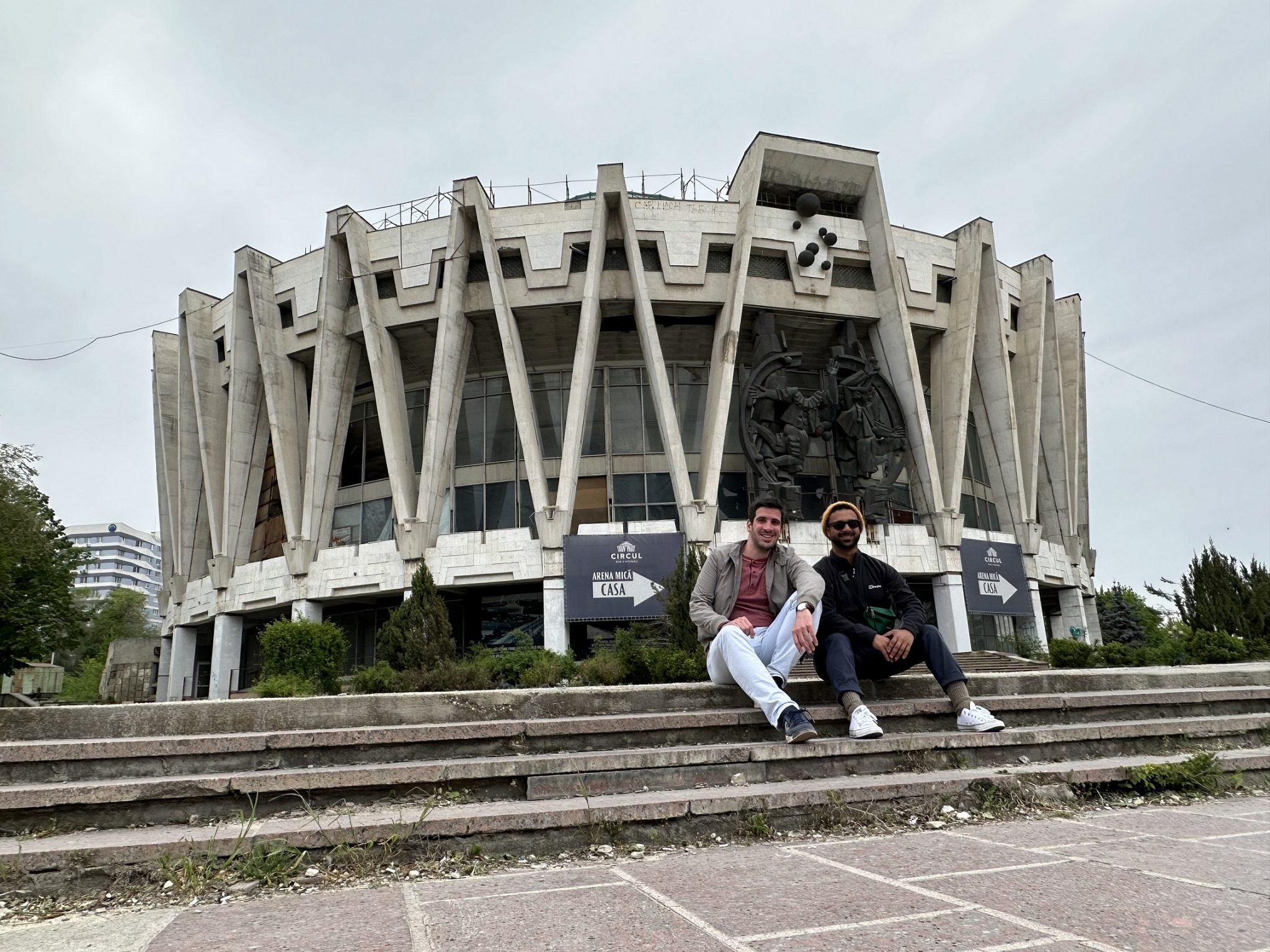
A truly unmissable and visually stunning stop is the Chișinău Circus building. This distinctive, flying saucer-shaped structure, opened in 1981, is a classic example of late Soviet modernism. It represents the regime’s significant investment in public leisure and entertainment for the proletariat—a “bread and circuses” policy rendered in concrete and glass. Its current, often underused state, speaks volumes about the economic and social transitions since the collapse of the Soviet Union.
Another architectural marvel you might see is the Romanita Tower (also known as “Romashka”). This 73-meter-tall residential building, shaped like a flower, was once the tallest in the city. Designed and built between 1978 and 1986, it is a relic of the era’s more ambitious, futuristic housing projects, a stark contrast to the standard panel blocks.
The Shadow of the State and the “Train of Pain”
As the tour progresses, the tone often deepens to confront the mechanisms of control and the painful memories of political repression. A solemn and essential visit is to the Memorial to the Victims of Stalinist Repressions, often located near the site of mass graves or the main railway station. This is where the “Train of Pain” monument stands—a powerful bronze sculpture commemorating the tens of thousands of Moldovans who were forcibly deported to Siberia and Kazakhstan in waves during 1940-41 and 1949. It is a tangible and deeply moving reminder of the traumatic chapters that seared the national psyche, a stark counterpoint to the state’s claims of a socialist utopia. Your guide will likely detail the suffering of those labeled “enemies of the people.”
No historical tour is complete without confronting the secret police. You will stand before the former KGB Headquarters, an unassuming yet ominously familiar building. While you may not enter, simply standing before it evokes the climate of fear, censorship, and surveillance that permeated everyday life. The guide will explain how the Moldovan KGB operated, targeting intellectuals, nationalists, and anyone deemed a threat to the state, to suppress dissent and maintain absolute control.
A Flea Market Time Capsule
To experience the more personal, everyday remnants of the era, many tours include a visit to one of Chișinău’s “Soviet Flea Markets”. This is not just a shopping excursion; it is a journey through the material culture of a vanished world. You can browse stalls overflowing with Soviet-era objects and vintage items: medals, badges, coins, watches, cameras, vinyl records, books, postcards, and household objects.
A skilled guide can explain the original uses and historical context of these items, helping you to distinguish genuine antiques from modern reproductions. It is a fascinating, hands-on experience where you can literally hold and purchase small pieces of history. As one tour description notes, these markets reveal how “capitalism snuck in through jeans and chewing gum” even in the waning days of the USSR. This stop often concludes with a glass of Moldovan wine, providing a relaxed space to reflect on what you have seen.
A Journey Beyond: Transnistria and the Soviet “Time Capsule”
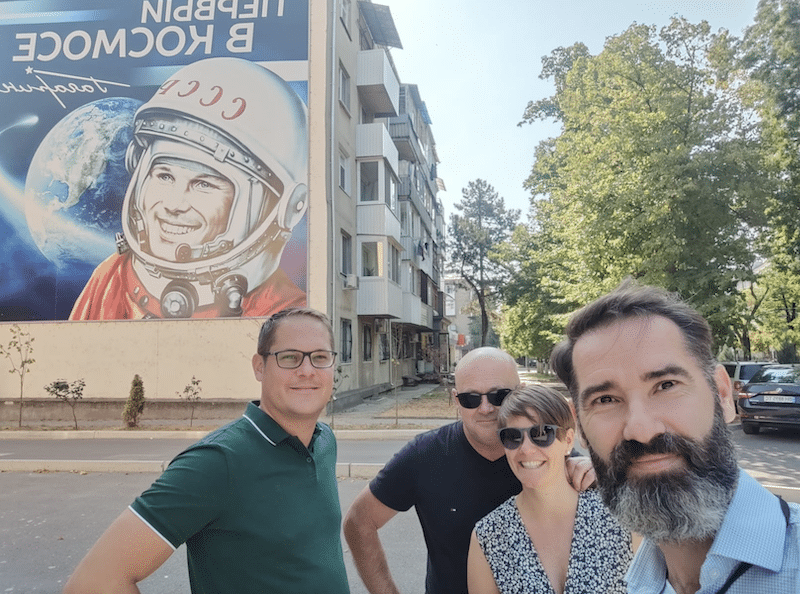
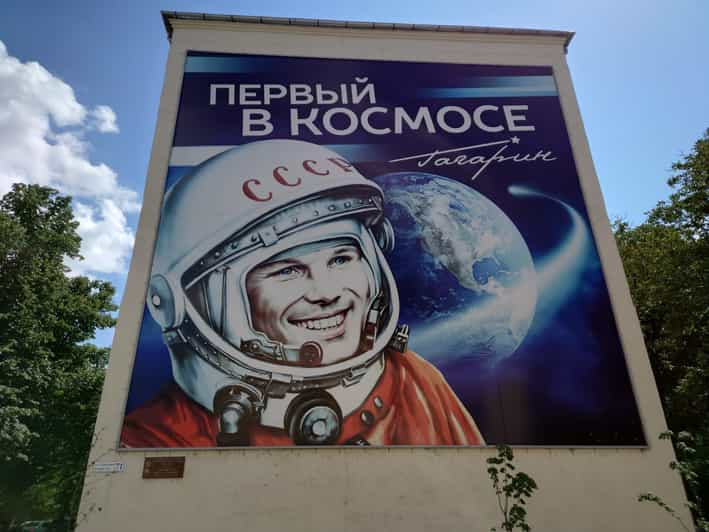
For the ultimate Soviet-era immersion, many tours extend beyond Chișinău to the breakaway region of Transnistria. This is not just an add-on but a central feature for many travelers. Because it is a de facto state not recognized by the international community, Transnistria has preserved Soviet iconography, institutions, and symbols in a way that feels like stepping back in time. Travelers consistently describe this as an “amazing,” “eye-opening,” and “unforgettable” experience.
The Border Crossing and First Impressions
The journey to Transnistria is an adventure in itself. You will need your passport to cross the “border” from Moldova into this breakaway territory, a bureaucratic process that immediately signals you are entering a unique and contested space. The first cities you will visit are Bender and Tiraspol, and the atmosphere is palpably different from Chișinău.
Bender Fortress and Military Museums
In Bender, a key stop is the impressive Bender Fortress, a 16th-century architectural monument with a rich history that predates the Soviet era but is central to the region’s military identity. You will also find unique museums, such as the Bendery Military Museum, a rare collection of Soviet militaria and documents housed within three carriages of a decommissioned steam train. Curated by elderly women (or “babushkas”), the museum features uniforms, medals, rifles, and documents bearing the portraits of Lenin and Stalin. It is a deeply immersive, if somewhat eccentric, tribute to the region’s Soviet military past.
Tiraspol: The Heart of the “USSR in 2026”
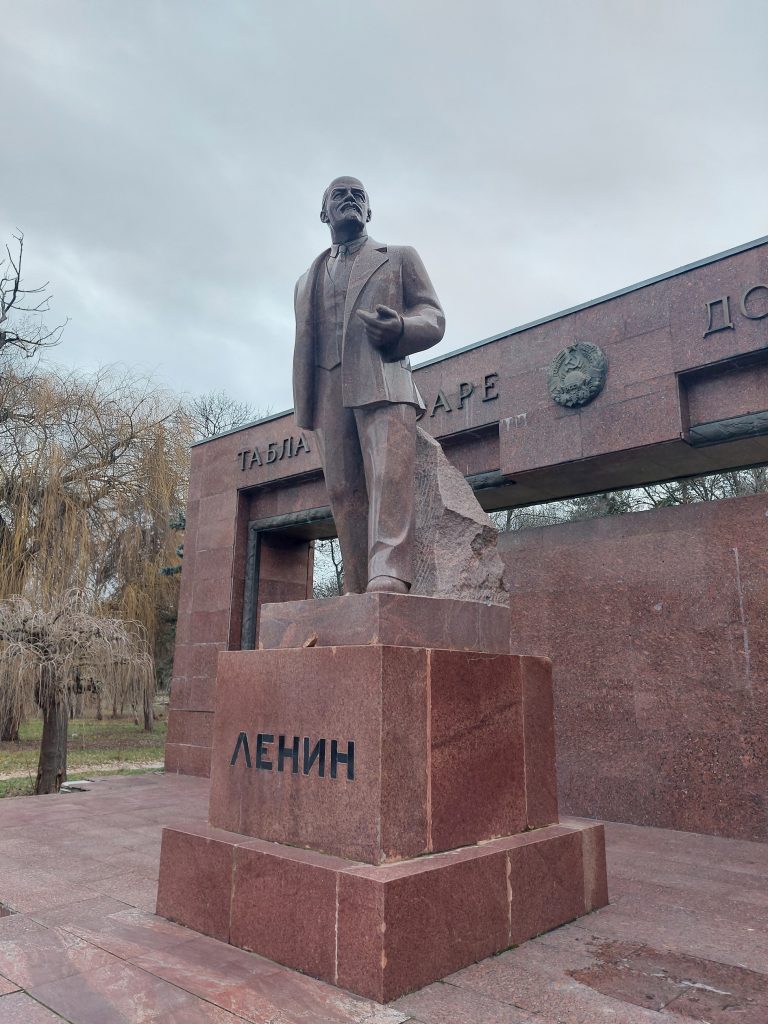
The city of Tiraspol, the unrecognized capital of Transnistria, is the main destination for many. Here, the tour truly comes alive, and you can explore the streets lined with classic Soviet-era architecture. You will see the ubiquitous statues of Lenin, the imposing House of Soviets, and the Tank Monument, all serving as powerful reminders of the region’s breakaway ideology. It is a unique experience to witness a place where the Soviet victory narrative is still celebrated as an active part of the present, rather than a distant past. One guide described the region’s mentality as being “shaped by decades of isolation”. Learn about things to do in Tiraspol here.
Soviet Cuisine in Transnistria
A hallmark of the Transnistria tour is the Soviet-style lunch. At a themed restaurant, you will be served dishes “cooked according to Soviet recipes”. This is more than a meal; it’s a cultural and historical experience. The lunch often includes local currency (the Transnistrian ruble, which is not recognized internationally) as part of the immersion. The dining experience, often described as “fantastic,” offers a taste of everyday life as it was, and to many, still is, in this unrecognized state.
Planning Your Tour and Practical Considerations
When planning your Soviet history tour, there are a few practical things to keep in mind to ensure a smooth and enriching safe experience in Transnistria.
Choosing Your Tour
You can choose from a variety of tour lengths and focuses. Options range from a 3-hour walking tour of Chișinău’s main Soviet landmarks, often including a wine tasting and a visit to a flea market, to a full-day excursion lasting 8.5 hours or more that takes you deep into Transnistria. Other tours offer unique experiences, such as visiting the Alexei Shchusev House-Museum to learn about the life of this renowned Soviet architect who designed Lenin’s Mausoleum, or combining Soviet history with a wine tasting at the restored Castel Mimi. The “Back in the USSR” tours are particularly popular for their comprehensive experience of Transnistria.
What to Bring
For any tour, comfortable walking shoes are essential. For trips to Transnistria, you must bring your passport, as you will need it for the border crossing. It is also advisable to bring some cash, preferably in a widely accepted currency like US dollars or euros, as credit cards are not accepted in Transnistria, and you’ll need cash for souvenirs or lunch. Do not bring large professional cameras, and avoid taking photos at the border crossing itself.
What to Expect From Your Guide
One of the most frequently praised aspects of these tours is the quality of the local guides. They are consistently described as incredibly knowledgeable, passionate, and attentive. They offer a nuanced perspective that goes beyond standard historical facts. As one traveler noted, the guide “never lectured… He didn’t tell us ‘people here are sad’… Instead, at the end of the day he simply said: ‘Pay attention to how many people smiled at you today.’ That one quiet observation said more than any lecture ever could”. This approach of letting you draw your own conclusions is a hallmark of the best tours.
Conclusion: More Than a History Lesson
A Soviet history tour in Chișinău with a local guide and its surrounding region is more than just a history lesson; it is a profound exploration of identity, memory, and the enduring legacy of an empire. Whether you are standing in the vast shadow of the Government House, paying respects at the “Train of Pain” memorial, haggling for a Soviet-era medal at a flea market, or crossing the border into the frozen-in-time world of Transnistria, you will be engaging with a past that is still visibly, and often painfully, alive in the present.
The experience is designed to be thought-provoking, not propaganda. It is a chance to see how a system shaped a city’s very DNA, how it provided for its citizens while simultaneously controlling them, and how its people continue to navigate the complex inheritance of that history. It is a journey that will leave you with a deeper understanding not just of Moldova, but of the 20th century itself, and the ongoing, often difficult, process of coming to terms with a world that no longer exists but has never truly gone away.
Book your Soviet history tour in Chisinau.

Bryn Jacobs Chief Editor
Hello dear Travelers! I am Bryn Jacobs and I am your travel advisor. Having a vast experience in traveling throughout Eastern Europe and having researched this part of the world myself. I write articles on the site about travel experiences in Eastern Europe with statistics and interesting facts.