
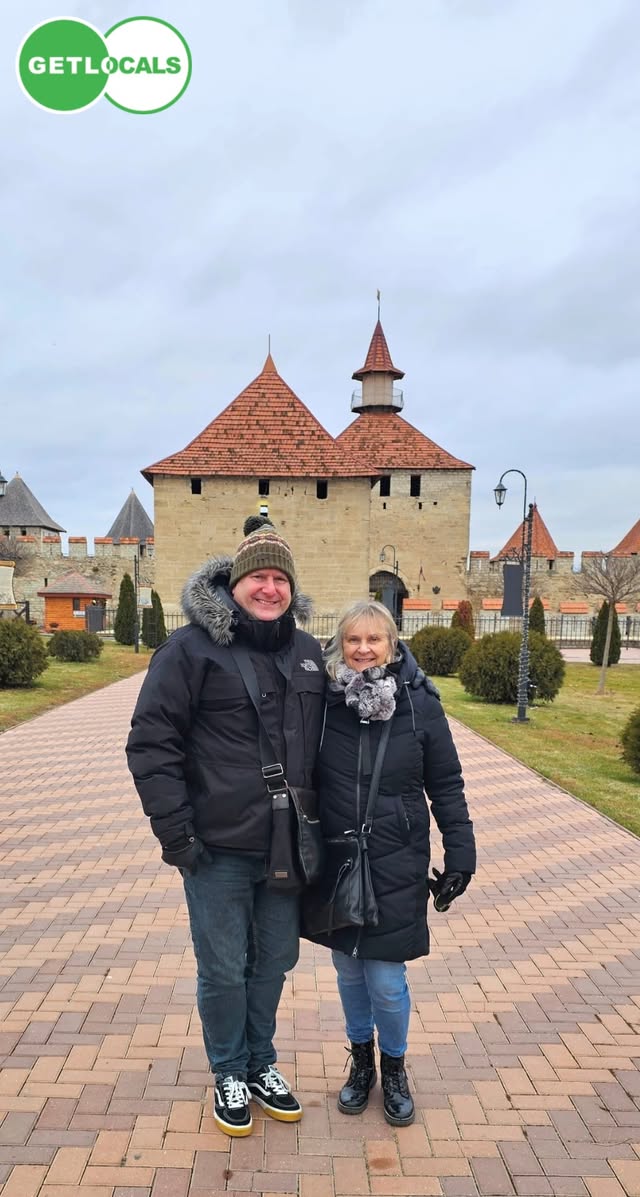
Introduction: A Fortress Frozen in Time
Rising from the right bank of the Dniester River, the Bender Fortress (also known as Tighina Fortress) stands as one of Eastern Europe’s most evocative historical monuments. This grand citadel, a silent sentinel constructed of limestone, sand, and eggs, has witnessed the rise and fall of empires, from the Principality of Moldavia to the Ottoman Empire and the Russian Tsars . Today, after centuries of military use and decades of obscurity, the fortress has emerged as a surprising and compelling tourist destination. Its popularity is driven not only by its impressive, well-preserved architecture but also by its unique location in the breakaway region of Transnistria, offering visitors a journey into a “frozen conflict” zone where the past feels remarkably present . This article delves into the rich and complex history of Bender Fortress and explores the reasons behind its modern-day appeal, where guided tours from Moldova have become the key to unlocking its secrets.
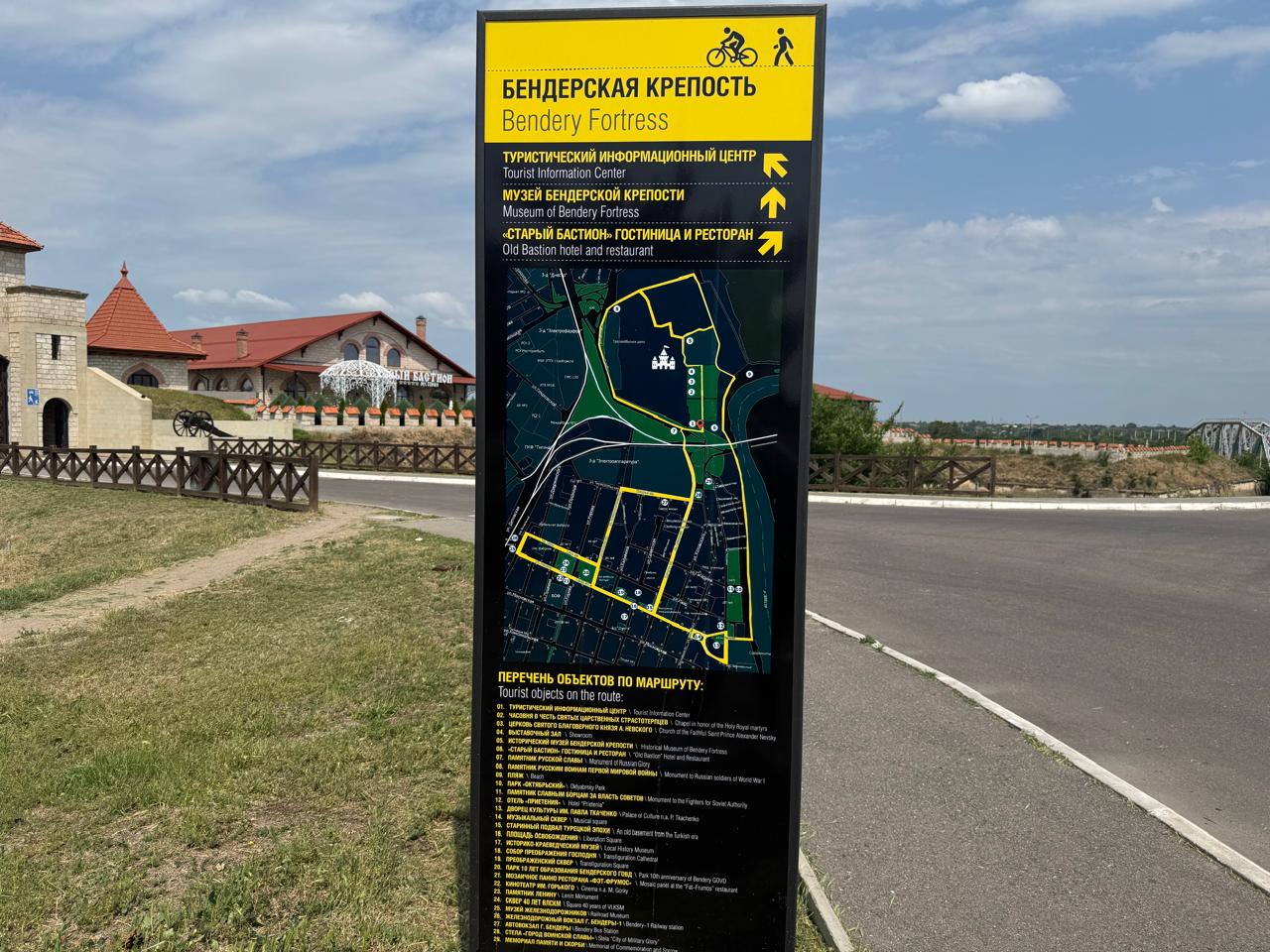
A History Forged in Conflict
From Moldavian Outpost to Ottoman Citadel
The origins of the Bender Fortress trace back to a time when the Principality of Moldavia was a crucial buffer state between the great powers of Eastern Europe. According to historical sources, the first wooden and earthen fortification on this site was commissioned by the renowned Moldavian ruler Stephen the Great in the 15th century . Its strategic purpose was to defend a vital ford on the Dniester River from incursions by Tatar forces . This initial citadel was likely a simple structure, but its location was of paramount importance, making it a target for more powerful neighbors. Stephen the Great’s son, Petru Rareș, later undertook to strengthen the fortifications with stone .
The fortress’s fate took a decisive turn in 1538 when the mighty Ottoman Empire, under Sultan Suleiman the Magnificent, conquered the region . The Ottomans, recognizing the site’s strategic genius, transformed the Moldavian outpost into a formidable citadel that would serve as the cornerstone of their defensive network in the region. The fortress was rebuilt in stone and expanded, its design reflecting the height of Ottoman military engineering. It is believed that the project was overseen by the legendary Ottoman architect Mimar Sinan . The Ottomans renamed the settlement “Bender,” a word thought to mean “river port” or “mooring place,” marking a new era for the fortress . The structure they built, with its impressive citadel, massive defensive walls, and deep moats, became known as a “strong castle on Ottoman lands” . For over two centuries, the fortress of Bender was the administrative heart of an Ottoman raia (a district), and a symbol of their power in the region .
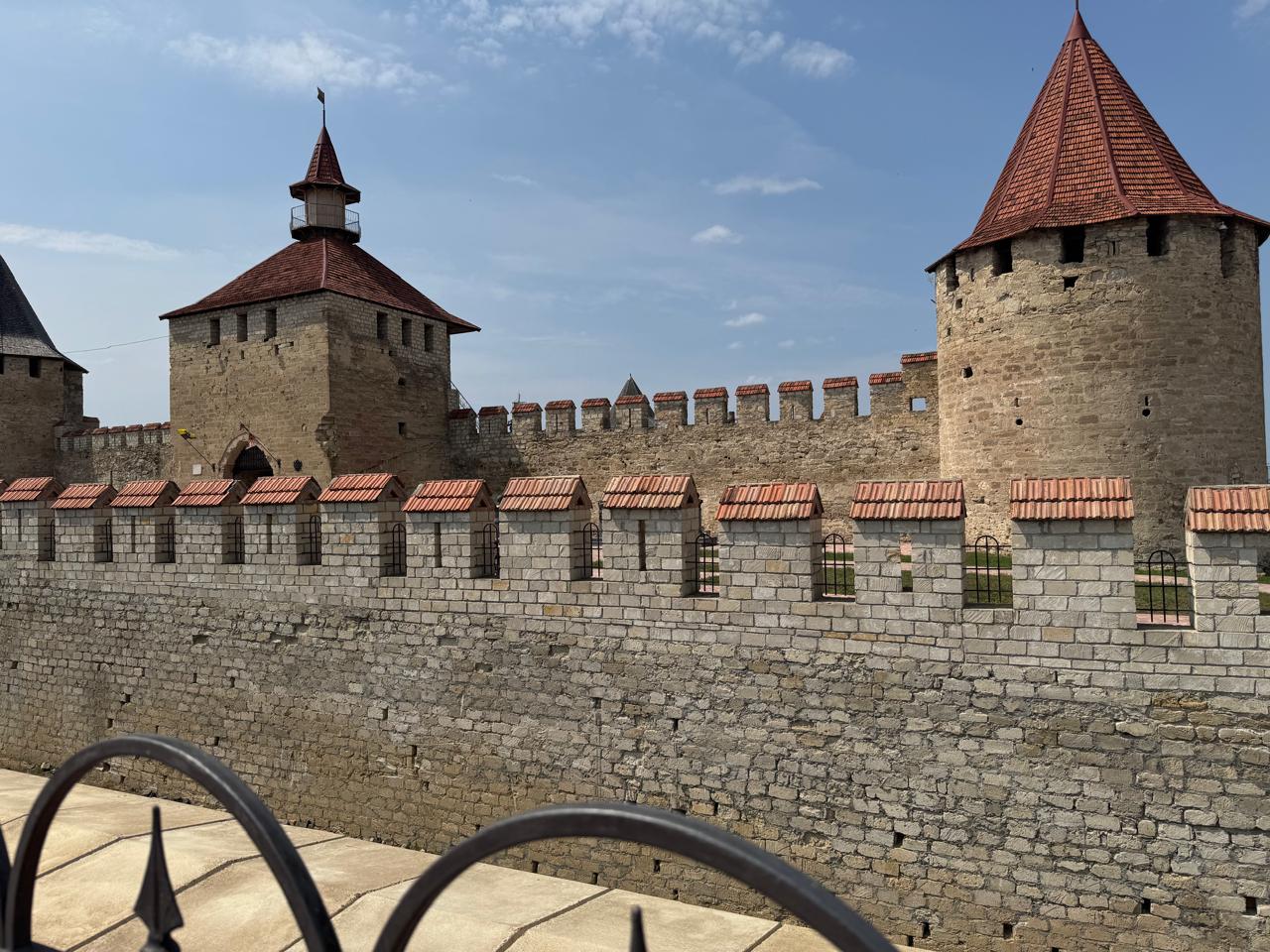
The Refuge of a King and the Rivalry of Empires
The 18th century was a period of intense conflict for Bender, marked by its role in the great power struggles between the Ottoman, Russian, and Swedish empires. The fortress’s most famous episode occurred in 1709. Following his disastrous defeat at the Battle of Poltava to Peter the Great of Russia, the Swedish King Charles XII, along with his ally, the Cossack Hetman Ivan Mazepa, sought refuge within the walls of the Bender Fortress . The king’s presence in Ottoman territory created a significant diplomatic crisis. Charles XII used Bender as a base to plot his next move, attempting to persuade the Ottoman Sultan to declare war on Russia. This period of “the Swedish King in Bender” ended in 1713 after a series of skirmishes and the eventual forced removal of the king and his supporters from their nearby camp at Varnița . A commemorative obelisk at Varnița still marks the location of Charles XII’s camp, serving as a testament to this extraordinary historical footnote .
The second half of the 18th century saw the fortress at the center of the Russo-Turkish Wars. In 1770, during the Russo-Turkish War of 1768-1774, the Russian army launched a major assault on the fortress . After a brutal siege, Russian forces famously dug a tunnel under the fortress walls and detonated powder barrels, causing a massive explosion that allowed them to storm and capture Bender on September 15, 1770 . The fortress suffered considerable damage in this conflict. So much so that Empress Catherine II of Russia is said to have commented, “losing so much and receiving so little, it would have been better not to take Bender at all” . Despite this, the fortress was returned to Ottoman control following the Treaty of Küçük Kaynarca in 1774 .
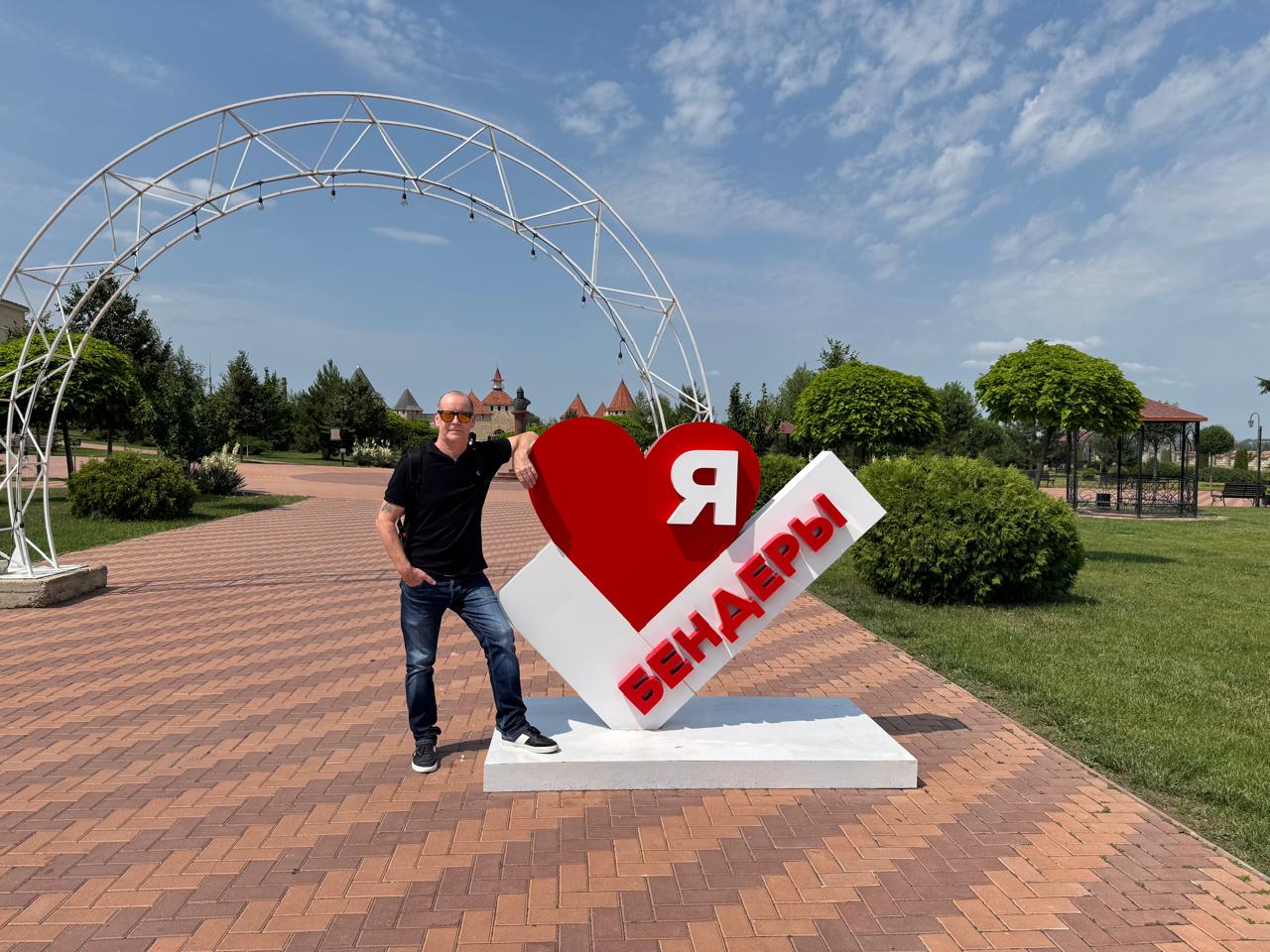
A Russian Garrison and the 20th Century
The Russians would not be denied forever. With the conclusion of the Russo-Turkish War of 1806-1812 and the subsequent Treaty of Bucharest, the Ottoman Empire ceded the entire territory of Bessarabia, including the Bender Fortress, to the Russian Empire . For the Russians, the fortress lost much of its strategic military significance as the empire’s borders expanded further west. However, the Russian administration maintained a military garrison there and continued to carry out repair works on the stone walls and other buildings throughout the 19th century . The fortress transitioned from a frontline bastion to a quiet, provincial military outpost.
The tumultuous events of the 20th century brought new, albeit brief, chapters to the fortress’s history. In the interwar period, Bessarabia, and with it the fortress, became part of the Kingdom of Romania . The Romanian administration had ambitions to capitalize on the fortress as a historic monument, but these plans were interrupted by the outbreak of World War II . During the war, parts of the fortress suffered damage from aerial bombardments. Following the war, the region was incorporated into the Moldavian Soviet Socialist Republic, and the Bender Fortress was once again repurposed as a Soviet military garrison . This final period of military use lasted until the collapse of the Soviet Union, effectively sealing the fortress off from the public and allowing it to fall into a state of neglect.
The Modern Allure: A Tourist Destination Emerges
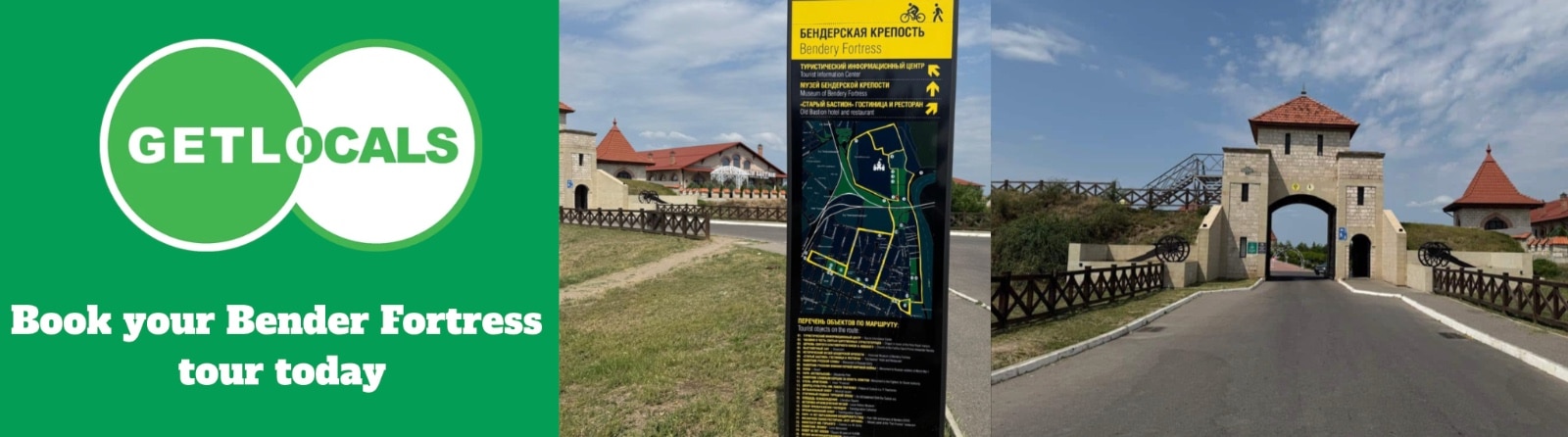
Since the turn of the 21st century, the Bender Fortress has undergone a remarkable transformation. Having shed its strictly military purpose, it has opened its gates to the world, becoming a major tourist attraction and the oldest monument in Transnistria . The fortress now attracts tens of thousands of visitors annually, from Moldova, Romania, Germany, the USA, Turkey, and many other nations . This surge in popularity is a result of a potent mix of historical intrigue, unique geographical location, and a concerted effort to develop the site for tourism. Enjoy your private day trip to Bender fortress.
Guided Tours: The Key to Unlocking History
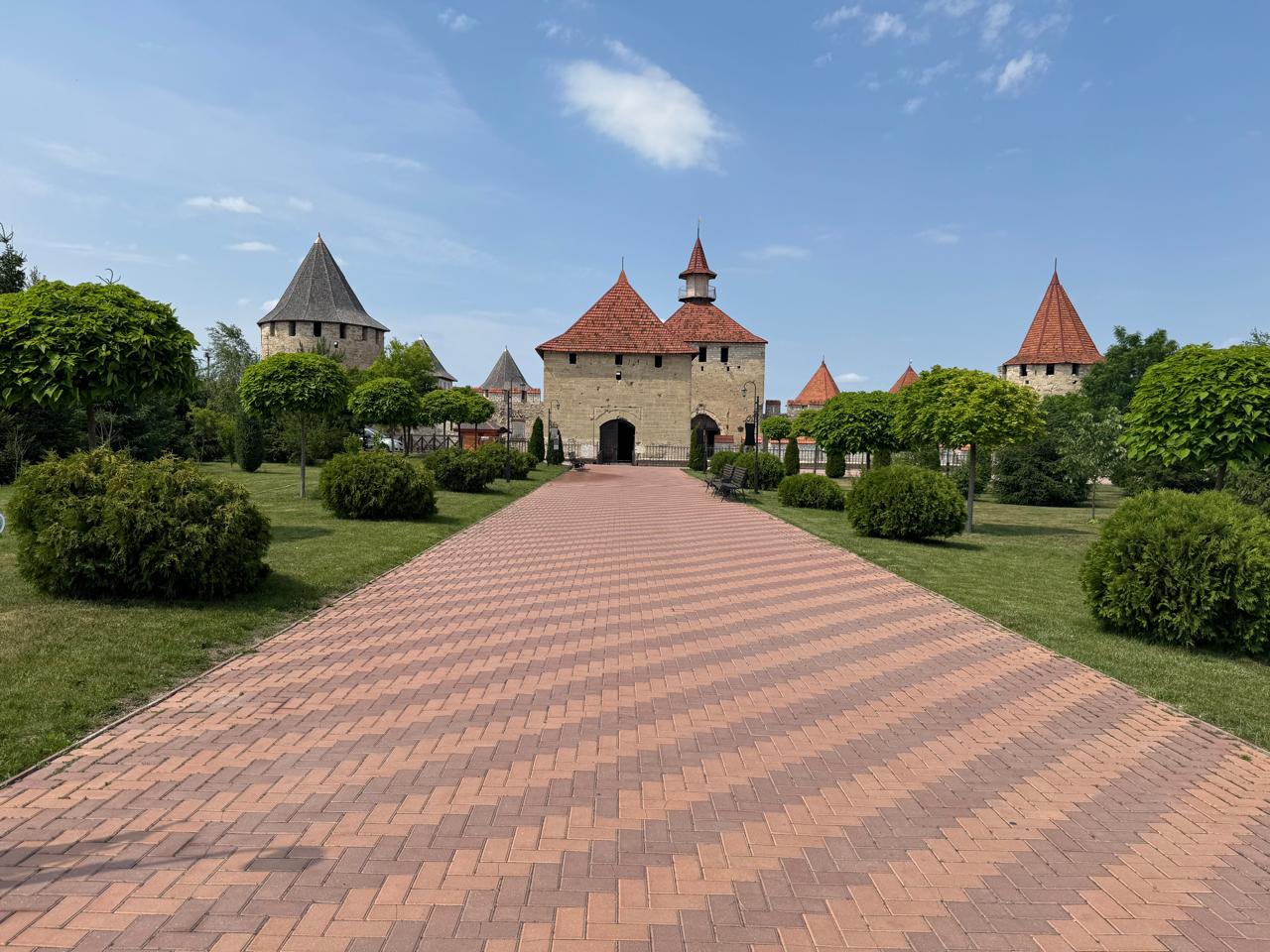
One of the primary reasons for the fortress’s success as a tourist destination is the invaluable role of guided tours of Bender Fortress. Unlike many historical sites where visitors wander with little context, the Bender Fortress offers a range of expertly guided experiences that bring its centuries-long story to life . Tour guides are essential for navigating the site’s layered history and providing crucial context that is otherwise lacking in on-site informational materials .
Visitors can choose from several tour routes designed to suit different interests and physical abilities. The most popular option is a standard sightseeing tour of the citadel and the old castle, which includes entry to two on-site museums: the Museum of the History of the Bender Fortress and the Museum of Medieval Torture Instruments . For those seeking a deeper dive into local lore, a walking tour explores the myths and legends of the old town, weaving together the history of the citadel, the lower fortress, and the surrounding park . For visitors with mobility concerns, the fortress even offers a golf-cart tour, ensuring accessibility to key areas .
A particularly alluring, yet currently unrealized, prospect for the fortress is the exploration of its poternas—the network of secret underground passages and communication tunnels . The most famous of these, a passage connecting the lower fortress to the citadel, was destroyed in the 1960s. However, plans are in motion to investigate and potentially restore the upper level of these tunnels for future tours, a development that would undoubtedly draw even more visitors .
Beyond the Walls: A Blend of History, Culture, and Geopolitics
The fortress’s appeal extends far beyond its physical walls. Its unique and prominent location in the separatist region of Transnistria offers a powerful draw for those interested in the legacy of the Soviet Union. Day tours from Chișinău often combine a visit to the Bender Fortress with a trip to Tiraspol, the capital of Transnistria . This allows tourists to experience a place where Soviet-era symbols like the hammer and sickle still adorn the national coat of arms, and statues of Lenin remain prominent in public squares—a “living museum of the USSR” .
The fortress has also become a cultural hub. Authorities have worked to revitalize the surrounding area, creating a beautiful park at the entrance to the citadel . The fortress grounds now host a variety of cultural events and festivals, further cementing its status as a community center. These include open-air theatrical performances, concerts by popular musicians, and festivals celebrating local wine and grapes, drawing thousands of visitors with entertainment, traditional food, and wine-tasting .
The Future of a Bastion
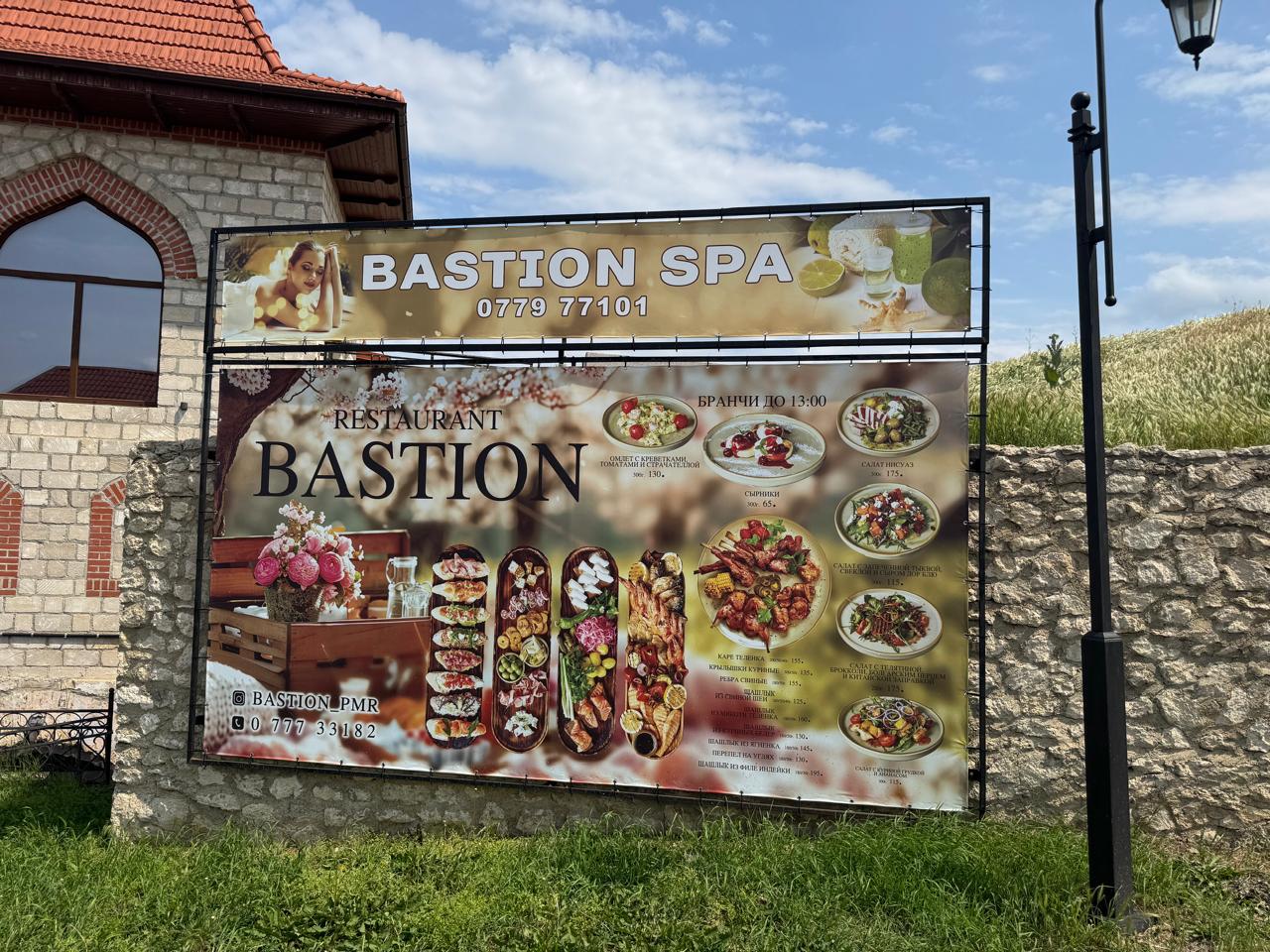
The transformation of the Bender Fortress guided tours from a decaying military site to a premier tourist destination is an ongoing process. However, it is not without its challenges. International heritage experts have noted that while some restoration work has been commendable, certain “stylistic” reconstructions have detracted from the monument’s historic character . The construction of modern buildings, like a hotel adjacent to the fortress’s entrance, has also been criticized for altering its setting . Experts have called for a comprehensive master plan for the fortress to guide future development and ensure any interventions respect its authentic cultural significance .
Despite these concerns, the future of the Bender Fortress looks bright. Its ability to adapt, offering everything from historical museums and themed tours to cultural festivals, makes it a resilient and dynamic attraction. The continuing efforts to plan for the restoration of its underground passages and to market itself as part of a broader “Soviet nostalgia” tour ensure that the Bender Fortress will remain a compelling draw for tourists seeking to understand the complex, layered history of this enigmatic corner of Europe. It is a place where the walls don’t just whisper stories of the past; they invite modern visitors to listen.
Book your Bender Fortress tour here.
Learn more about the Fortress at Bender.