
The Heartbeat of Chișinău: A Journey Through the History and Allure of the Central Market
Introduction: The Soul of a City
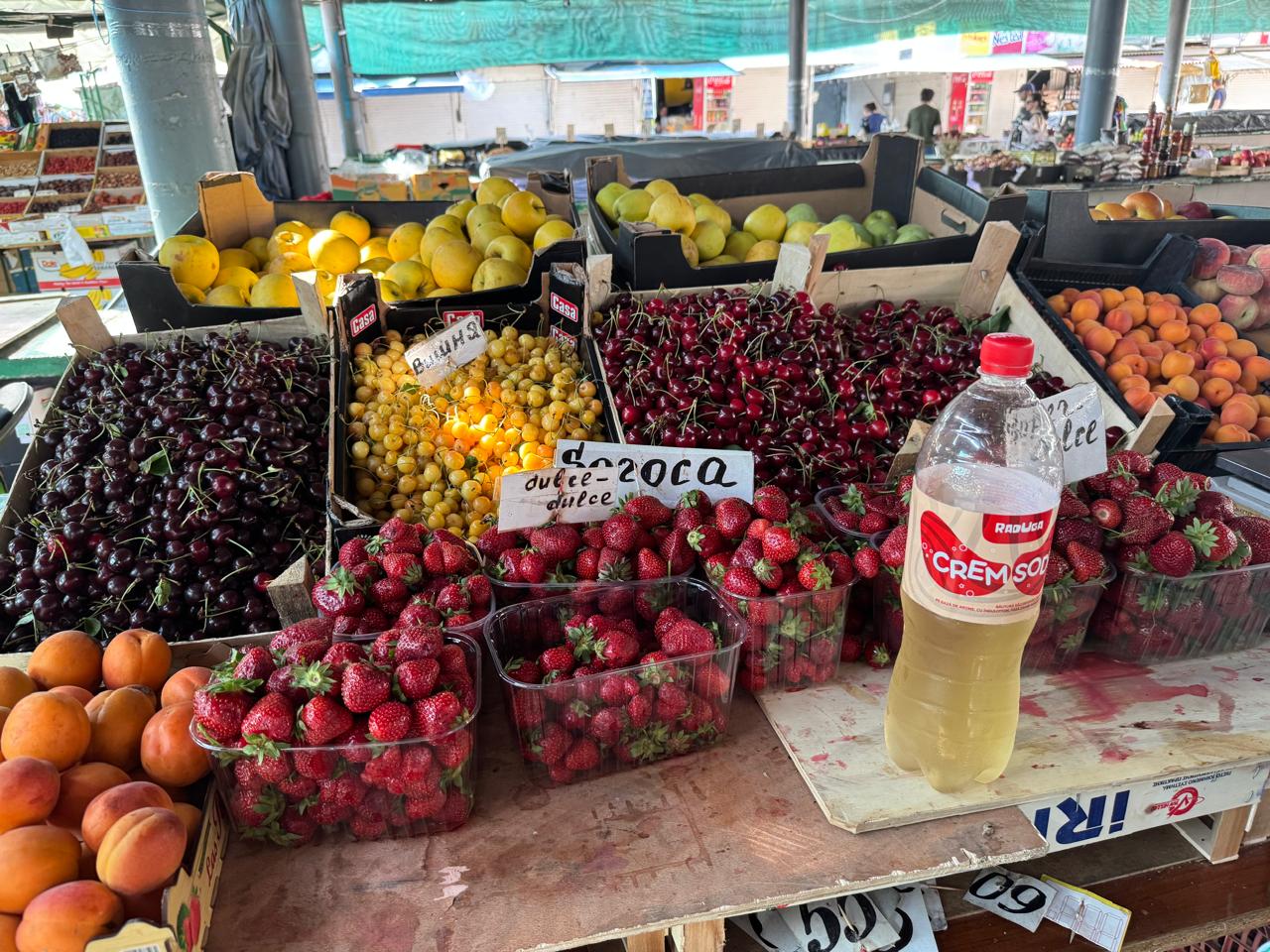
To understand Chișinău, one must understand its Central Market. More than just a place to buy groceries, Piața Centrală is the pulsating heart of Moldova’s capital. It is a living museum, a testament to the city’s resilience, and a vibrant stage where the nation’s character is displayed in its most authentic form. This is not a sanitized tourist attraction crafted for visitors; it is the city’s daily choreography, a symphony of haggling vendors, the scent of fresh herbs, and the vibrant colors of seasonal produce. Its journey from a 19th-century trading post to a must-see destination for tourists is a story of destruction and rebirth, of economic shifts and cultural preservation, all woven into the fabric of Chișinău’s history.
The Humble Beginnings: The Birth of the “New Bazaar”
The story of Piața Centrală begins in 1825, marking its official establishment as the “New Bazaar” (Piața Nouă) . The name was chosen to distinguish it from the existing “Old Market” located near the Bâc River, which had become too small to accommodate the burgeoning commercial activity of a growing town . Chișinău, at the time a provincial outpost of the Russian Empire, was experiencing a significant demographic and economic boom. Trade was becoming the lifeblood of the city, and the New Bazaar was conceived to be the grand stage for this transformation .
In its earliest days, the market was a simple affair, characterized by wooden shops and stalls . Yet, it quickly became the commercial nucleus of the city. By the 1860s, Chișinău was solidifying its position as the regional commercial centre of Bessarabia, and the market was at the forefront of this growth . The demand for a more permanent and fire-resistant structure led to a significant change. In 1886-1887, city authorities ordered the replacement of the wooden shops with more substantial stone buildings, giving the market a more defined and elegant architectural character . At its peak in this era, the New Bazaar was a massive complex, sprawling over more than six hectares—a testament to its importance in the city’s daily life .
A Market Forged in Fire and Resilience
The 20th century brought immense turmoil that would reshape the market and the city forever. The profound destruction of World War II left an indelible mark. In 1941, as Soviet forces retreated from the advancing Nazi army, a “fighter squad” of communist party members was ordered to ensure that no material assets fell into enemy hands . The result was a systematic and catastrophic demolition: the entire New Bazaar was mined, blown up, and set ablaze . The flames consumed the stone buildings, reducing the vibrant commercial centre to ashes and rubble . It was a scene of utter devastation, an act of scorched-earth policy that erased a century of trade and history in a single moment.
From the literal ashes, the market rose again. The post-war effort to rebuild the city included the restoration of this vital commercial hub . Under the new Soviet administration, the market was renamed the Central Market (Țentral’nîi rînok), a name it retains to this day . This period marked a new chapter. The re-opened shops were once again filled with vendors, trade resumed, and the market was reintegrated into the city’s social and economic fabric. The rebirth of the Central Market symbolized the resilience of the people of Chișinău, who were determined to reclaim their lives and their traditions in the face of unimaginable hardship. Following the collapse of the Soviet Union and Moldova’s independence, the market’s name was officially reverted to the Romanian-language Piața Centrală in 1991, reconnecting it to its pre-Soviet past .
A Modern-Day Labyrinth of Sights, Sounds, and Flavors
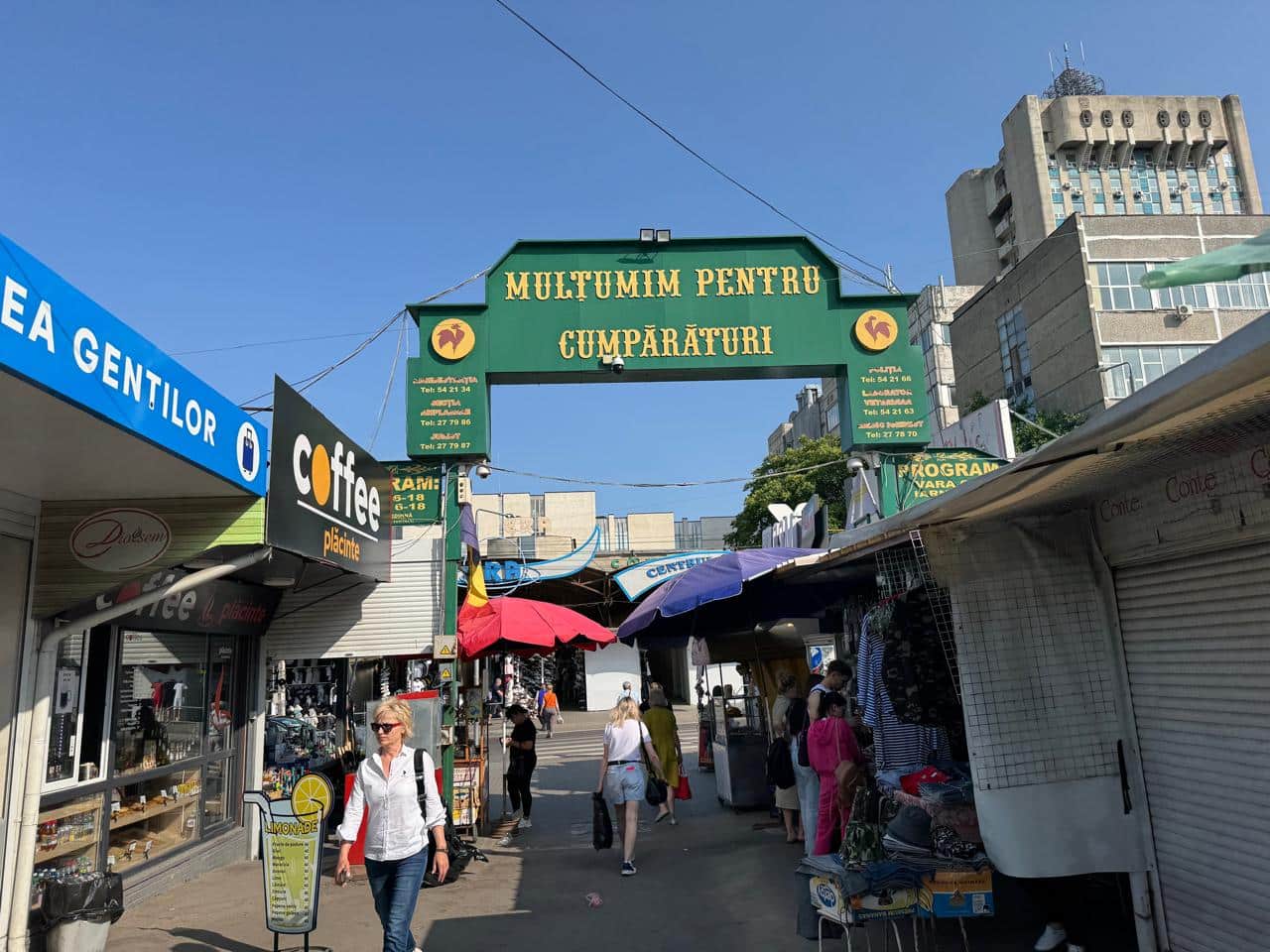
Today, the Central Market Chisinau occupies a sprawling 3.5-hectare rectangular block in the heart of the city, bordered by Armenească, Mitropolit Varlaam, and Tighina streets . For tourists, stepping into the market is to step into a vibrant, chaotic, and utterly fascinating ecosystem. The “crazy Central Market,” as one local guide affectionately calls it, is a place of organized chaos where the essence of Moldovan national character is on full display .
The market is not a single entity but a collection of specialized zones. It is a labyrinth of covered halls and open-air stalls, each dedicated to a specific type of good. Here, one can find :
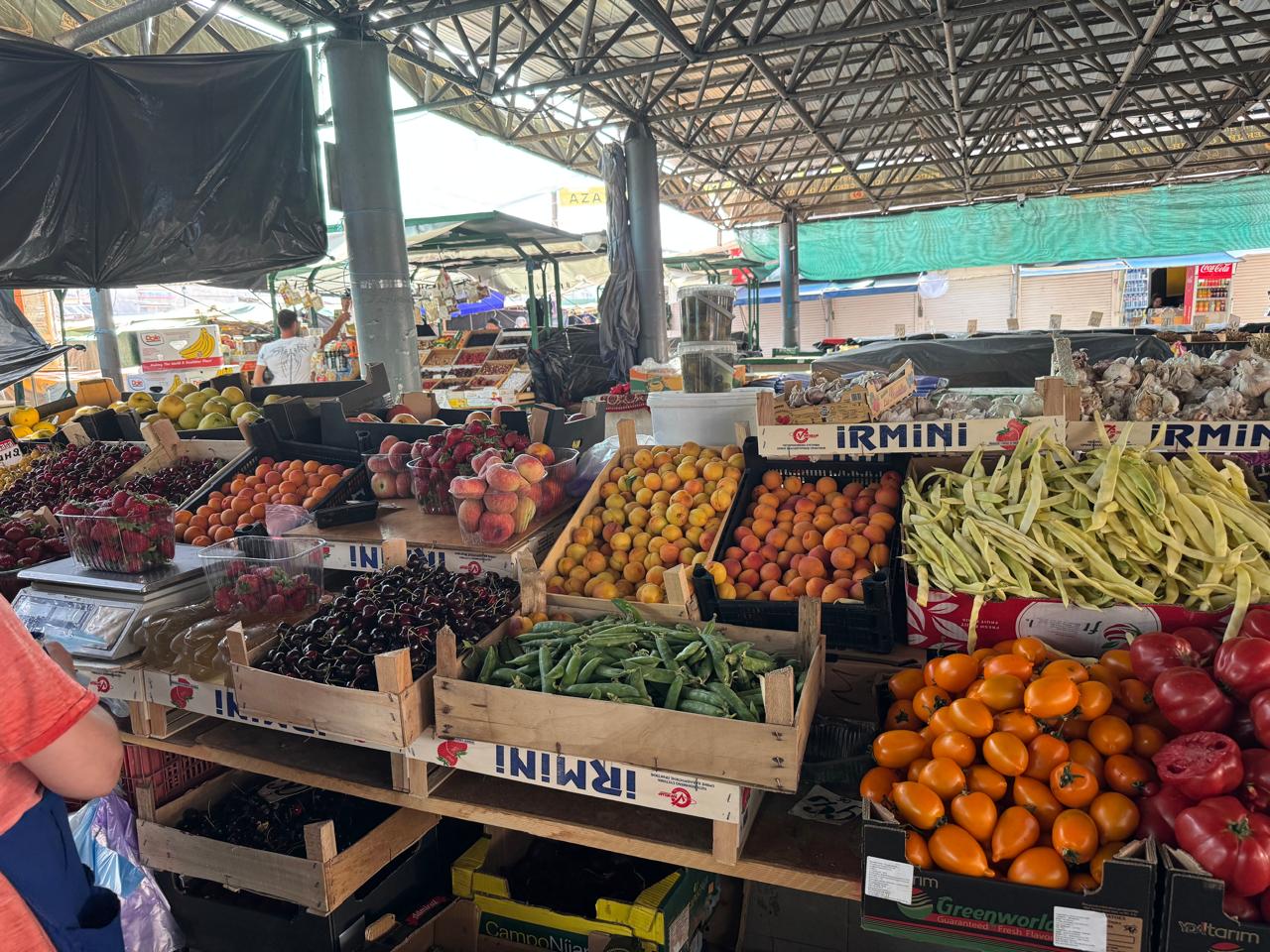
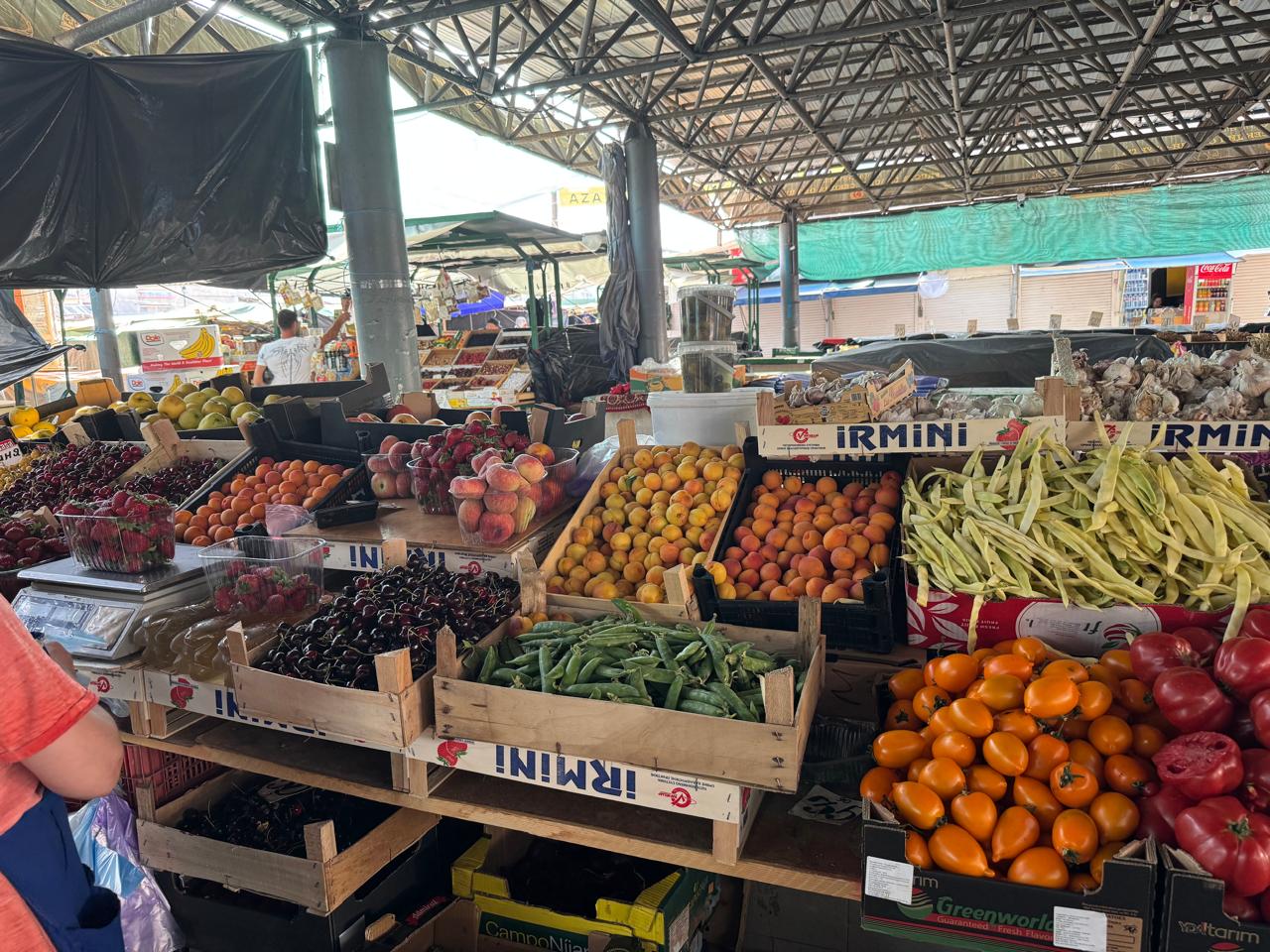
The Freshest Produce: Mountains of seasonal fruits and vegetables, from local apples and plums to an incredible variety of tomatoes, peppers, and cucumbers. The famed Moldovan grapes and watermelons are a highlight in late summer.
A Dairy Lover’s Paradise: An entire hall is often dedicated to cheese (brânză), offering a staggering variety of local cheeses, from salty sheep’s milk cheese to the creamy, white telemea .
Meat and Fish: Rows of butchers and fishmongers displaying their wares, often accompanied by the lively, and sometimes loud, negotiation for the best cuts.
A Taste of Moldova: Stalls selling traditional homemade pastries like plăcinte (filled pastries), honey, walnuts, dried fruits, and local spices .
Beyond Food: The market is also a place to find household goods, clothing, traditional crafts, woven baskets, and the iconic căciuli (fur hats) .
The experience is a sensory overload in the best possible way. The air is thick with the smells of fresh herbs, roasting nuts, and ripened cheese. The sounds are a cacophony of vendors shouting prices, customers bargaining, and the general hum of thousands of people going about their daily lives.
A Cultural Immersion
For tourists, the Central Market tasting and food tours offers a far more profound experience than simply shopping for souvenirs. It provides a direct, unfiltered window into the Moldovan way of life. Unlike the curated experience of a museum, the market is a living, breathing organism . It is where locals come to argue with the meat sellers for the best price, to taste a sample of a new cheese, or to meet friends for a quick chat . The vendors are not just salespeople; they are the guardians of culinary traditions, often selling produce from their own gardens and recipes passed down through generations. The atmosphere is genuine and untamed, as visitors can “enjoy a shot of vodka, do your shopping, and have a nice chat with genuinely friendly people” .
The market’s authenticity is its greatest strength. A common refrain from visitors is that it is a place “not created for tourism” . This is what makes it so special. It offers an opportunity to engage with the city on its own terms, to witness the daily rituals of Chișinău’s citizens, and to taste the flavors of Moldova at their source. Practical tips for a visit are often shared among travellers: come early in the morning for the freshest goods and to avoid the largest crowds, bring cash as most vendors don’t accept cards, and don’t be afraid to bargain .
Conclusion
The history of Chișinău’s Central Market is a powerful narrative of commerce, resilience, and identity. From its establishment as the New Bazaar in 1825 to its destruction during World War II and its subsequent rebirth, the market has mirrored the turbulent history of the city and the country . Today, as Piața Centrală, it stands as a majestic, sprawling complex that serves not only as a commercial hub but also as a vital cultural landmark.
For the tourist, a visit is an essential pilgrimage. It is the one place where the guidebooks fall away and you can truly engage with the heart of Moldova. It is where you can taste the sun-ripened fruits, hear the melodic haggling, and feel the indomitable spirit of a people who have rebuilt their lives and their traditions from the ashes of history. The Central Market is more than just a market; it is Chișinău itself—vibrant, resilient, and deeply authentic.
Book your culinary food tours in Moldova today with Moldova tours.

Bryn Jacobs Chief Editor
Hello dear Travelers! I am Bryn Jacobs and I am your travel advisor. Having a vast experience in traveling throughout Eastern Europe and having researched this part of the world myself. I write articles on the site about travel experiences in Eastern Europe with statistics and interesting facts.