Beyond the Day Trip: Why Multi-Day Travel Is the Best Way to Unlock Moldova
Moldova is often treated as a quick stopover—a day for Chișinău, an afternoon in a wine cellar, and out. But treating this compact country as a mere day-trip destination is a mistake. Multi-day trips in Moldova transform a checklist of sights into a genuine encounter with Europe’s least-visited corners, where Soviet nostalgia, ancient cave monasteries, and record-breaking wine cellars sit within an hour or two of each other. Staying longer lets you slow down, cross into unrecognised territories, and taste the quiet rhythms of a country that rewards curiosity far more than haste.
Why Multi-Day Trips Make Sense Here
The first reason is simple geography. Moldova is small, but its highlights are spread out and often demand more than a rushed half-day. Orheiul Vechi, the dramatic cave monastery complex carved into limestone cliffs above the Răut River, is an hour from the capital and deserves time to walk its trails and absorb the open-air museum’s layered history. The underground wine cities—Cricova and Mileștii Mici wine tours—are not quick tasting-room stops. Visitors travel through kilometres of tunnels by electric minibus, and tours take hours, not minutes. Attempting to cram these into a single day leaves you exhausted and superficial.
The second reason is depth of experience. A multi-day trip allows you to add a day trip in Transnistria, the breakaway territory that feels like a time capsule of the Soviet Union. Tiraspol’s Lenin statues, the 16th-century Bender Fortress, and the curious experience of changing currency at the border are not things you can comfortably rush. Similarly, regions like Gagauzia in the south offer a distinct Turkic culture and rural landscapes that reward an overnight stay rather than a fleeting drive-through. Longer trips also let you choose quality over quantity—rather than visiting two nearly identical wine cellars, experienced travellers recommend picking one and spending the saved time at Căpriana Monastery or the Ethnography Museum.
Finally, multi-day travel supports local tourism in a country that sees remarkably few visitors. Moldova receives fewer than 12,000 tourists annually. Staying multiple nights in guesthouses, eating at traditional restaurants, and hiring local guides ensures your money reaches communities that genuinely benefit from it. It also gives you permission to get lost—one traveller’s wrong turn on a hike ended at a village folk festival where they were the only foreigners present. That kind of serendipity only happens when you have time.
Suggestions and Recommendations
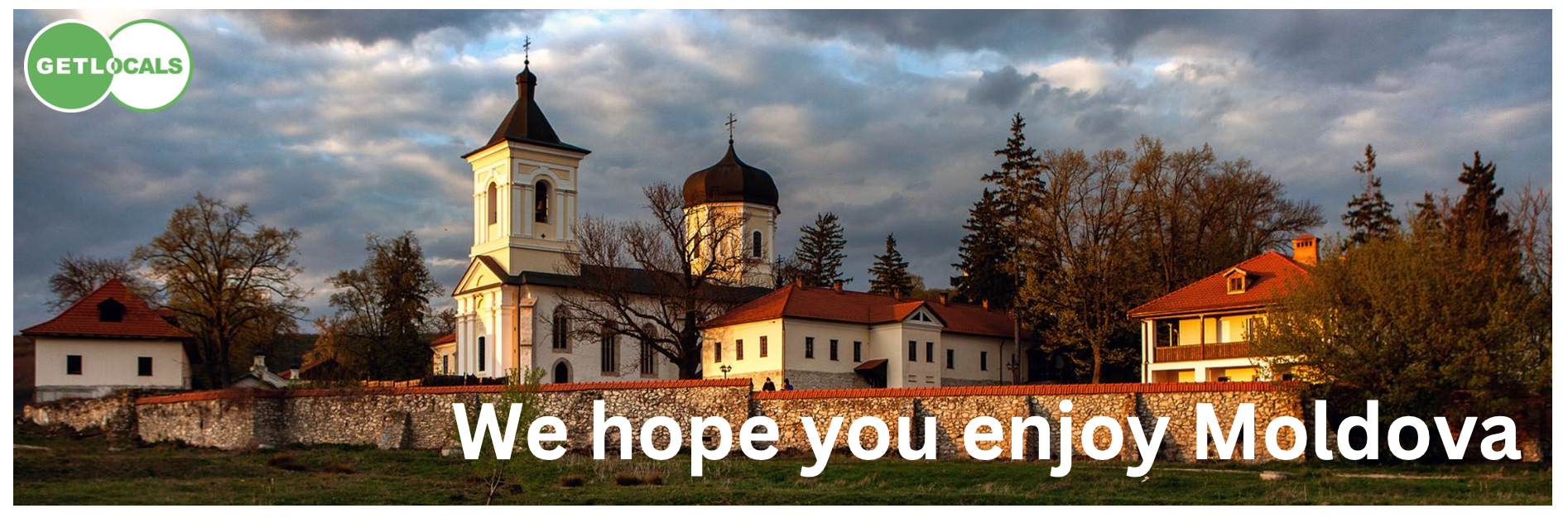
For a first multi-day visit, build a three- to four-day core around Chișinău. Spend day one walking the capital’s green centre, from Ștefan cel Mare Central Park to the Central Market, and visit the National Museum of History for the historical context that makes everything else legible. Day two should combine Orheiul Vechi with a single wine cellar—Cricova is the closer and more storied option, with advance booking essential. Day three slows down at Căpriana Monastery, a forested retreat founded in 1429, before returning to the capital’s Ethnography Museum. If you have a fourth day, take a guided tour into Transnistria; independent travel is possible, but a guide handles the migration card logistics and knows which streets are safe to photograph.
For those with five days or more, add Gagauzia or push north to Soroca. Alternatively, use Chișinău as a base for wine-focused excursions to Castel Mimi or Purcari. Throughout, book wine cellar tours in advance—walk-ins are actively discouraged at Cricova—and carry some cash in lei, as rural areas and markets may not accept cards. Dress modestly for monastery visits, and bring a warm layer even in summer if you plan to go underground; the wine tunnels sit at a constant 12–14°C. Try a full 7 day package tour to Moldova.
FAQ
Do I need a car to do multi-day trips in Moldova?
Not necessarily. Guided day tours and private drivers cover the main sites, and public minibuses connect Chișinău to Orheiul Vechi and other towns. However, a rental car gives you flexibility, particularly for monastery-hopping or reaching wine estates at your own pace.
Is Transnistria safe for tourists?
Moldova overall sits at a moderate travel advisory level, but Transnistria specifically carries a higher caution due to the presence of Russian troops and limited consular access. A guided day tour is the sensible default for a first visit. Never photograph checkpoints or military personnel, and keep your migration card safe—losing it can cause delays at exit.
Should I visit both Cricova and Mileștii Mici?
Probably not on a short trip. Both are underground limestone-tunnel wine cellars in the same region, and the experience—electric minibus through named streets, barrels, tasting—is similar. Pick one. Mileștii Mici holds the Guinness record for the largest wine collection, while Cricova is closer to Chișinău and has a more famous guest history.
What is the best time of year for a multi-day Moldova trip?
Late spring through early autumn in Moldova offers the most comfortable weather for walking and monastery visits. Wine harvest season in September and October is particularly atmospheric. Winters in Moldova are cold but the underground cellars remain visitable year-round at a constant temperature.
How much should I budget per day?
Excluding flights and accommodation, a comfortable daily budget including transport, food, and one paid attraction or tour runs roughly 500–1,000 MDL (around €25–50) if you mix guided excursions with independent exploring. Guided Transnistria day tours cost approximately €56–125 depending on the operator.
Enjoy your tours in Moldova.

 Cornelius
 Natalia
 GetLocals Classics
 Cornelius

 GetLocals
 Nicolai