 GetLocals Classics




Sightseeing in Chișinău: A Traveler’s Guide to Moldova’s Green Capital
Chișinău, the capital of Moldova, may be one of Eastern Europe’s most underrated destinations. It lacks the crowds of Budapest and the fame of Prague, yet it offers a distinctive blend of leafy boulevards, deep Orthodox tradition, and an underground wine culture that is genuinely world-class. Whether you love city strolls, history, or wine travel, Chișinău rewards visitors far beyond expectations. Let us look more at Chisinau tours.
The City Center: Where History and Faith Meet
Most of Chișinău’s sightseeing is concentrated around Ștefan cel Mare Boulevard. The Nativity Cathedral and Bell Tower, standing in the Cathedral Garden, form the spiritual heart of the city. This 19th-century landmark draws thousands of worshippers each year for Epiphany services, and its bells echo across the boulevard. Nearby, the Monument to Ștefan cel Mare, unveiled in 1928, is a symbol of Moldovan identity and the most photographed landmark in the capital.
Walking along the boulevard, you’ll notice the city’s distinctive architectural mix—19th-century classical buildings interspersed with Soviet-era blocks. The Triumphal Arch and the Government Building stand close together, and the grand Soviet facades contrast amusingly with the relaxed pace of local life. For a deeper understanding of the country’s history, the National Museum of History of Moldova covers everything from the Dacian era to the present, with rich collections and few crowds.
Green Spaces and Local Life
Chișinău is remarkably green for an Eastern European capital. Ștefan cel Mare Central Park, laid out in 1837, is the oldest park in the city, dotted with statues of Romanian literary figures and offering a calm retreat. Valea Morilor Park (Mill Valley Park), near the university and embassy district, features a lake and a post-war commemorative staircase—an excellent spot for a sunset walk. The Botanical Garden, home to over a thousand plant species, is perfect for photography and relaxation.
To feel the city’s daily rhythm, head to the Central Market. It’s busy, but it’s the true soul of Chișinău—the sweetness of seasonal fruit, the richness of forest honey, and the saltiness of northern village cheeses combine into an authentic market experience. Mornings are liveliest, and simple English plus gestures are enough to chat with vendors. Prices are friendly and the flavors are real.
The Wine Cellars: An Underground Wonder
If there is one thing you absolutely cannot miss in Chișinău, it’s a visit to Cricova and Mileștii Mici. Both underground wine cities lie near the capital, are listed in the Guinness World Records, and represent the most spectacular expression of Moldovan wine culture.
Cricova, just 14 kilometers from the city, has underground galleries stretching 120 kilometers. Founded in 1952, it is the jewel of Moldovan winemaking. Visitors ride electric carts through the tunnels, tour the sparkling wine production area and the national collection, and taste four wines plus one sparkling wine paired with local snacks. Once a Soviet-era “showcase” for visiting dignitaries, it feels polished and impressive.
Mileștii Mici has a different character. Its tunnels total more than 200 kilometers, making it the largest underground wine cellar in the world, holding over two million bottles. The temperature stays a constant 12–14°C, and walking among dusty bottles feels like stepping into an Umberto Eco novel. The tasting includes three wines (dry white, dry red, and an aged dessert wine) plus a generous cold-cut platter, and you receive a bottle of “Univers” wine as a souvenir. Bring a jacket—the chill about 80 meters underground is no joke.
Day Trips: Sanctuaries and Monasteries
Chișinău is also an ideal base for exploring Moldova’s rural heritage. Old Orhei, only an hour away, is the country’s most important cultural and natural reserve, set in the dramatic Răut River valley. It preserves the ruins of the medieval city of Orhei, rock-hewn monasteries, and archaeological layers dating back to the Paleolithic. It is currently under consideration for UNESCO World Heritage status. A newly opened medieval archaeology museum and reconstructed Ștefan cel Mare-era fortifications have made the site even more rewarding to visit. There really are some great day trips from Chisinau.
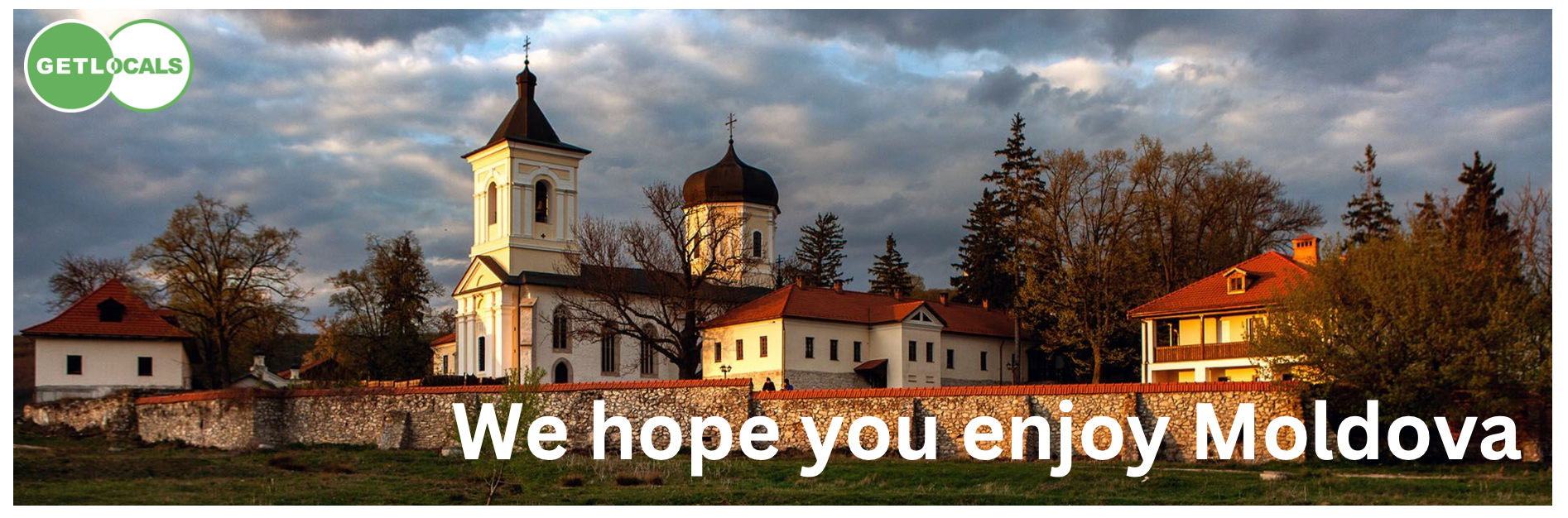
Curchi Monastery and Căpriana Monastery are also worthwhile half-day spiritual destinations. Curchi is known for its elegant architecture and peaceful courtyards, and it is often combined with Old Orhei and Cricova on a single day tour.
Practical Tips
Chișinău’s sights are relatively compact, so walking plus public transport covers the city center easily. The best season to visit is May through September, when the weather is mild, the parks are lush, and outdoor cafés and markets are at their liveliest. Allow two to three days for the city itself; with wine cellars and day trips, the itinerary can comfortably stretch to four or five days. Book tastings in advance, especially English-language tours at Cricova and Mileștii Mici, which fill up quickly in high season.
Chișinău’s appeal lies not in grand monuments or a packed checklist, but in its unhurried rhythm—sipping a local wine under the linden trees, touching the passage of time in the deep tunnels of an underground wine city, and tasting a ripe seasonal apricot in the buzz of the Central Market. In the end, sightseeing here is a kind of slow, immersive travel, scented with wine and shaded in green.
Enjoy your Moldova trips.