

Moldova, a small landlocked country tucked between Romania and Ukraine, remains one of Europe’s least-visited destinations. Yet this overlooked nation offers visitors a unique blend of rich winemaking traditions, Soviet-era curiosities, and warm hospitality. Understanding when to visit is crucial to making the most of your Moldovan adventure, as the country experiences in Moldova distinct seasonal variations that dramatically affect everything from weather conditions to festival schedules and tourist crowds.

Understanding Moldova’s Climate
Moldova has a continental climate characterized by hot summers, cold winters, and pleasant transitional seasons. The country’s weather patterns create four distinct seasons, each offering a different experience for travelers.
Winter (December to February) brings cold temperatures that often dip below freezing. January is typically the coldest month, with daytime temperatures averaging around 1°C (34°F) and nighttime temperatures dropping to approximately -5°C (23°F). Snowfall is common, and icy winds from Siberia can make conditions feel even more bitter. Travel during these months can be difficult due to snow and ice, though the country takes on a quiet, picturesque quality.
Spring (March to May) marks a gradual warming period. Early spring can still feel chilly, with March temperatures ranging from 2°C to 10°C (36°F to 50°F). By May, conditions become genuinely pleasant, with temperatures reaching 15°C to 23°C (59°F to 73°F). This season brings blooming landscapes and the celebration of Mărțișor, a traditional spring festival on March 1st.
Summer (June to August) transforms Moldova into a warm, sometimes hot destination. July is typically the hottest month, with temperatures ranging from 20°C to 30°C (68°F to 86°F). August can push even higher, with averages reaching 31°C (88°F) during the day. While summers offer long, sunny days and vibrant outdoor life, occasional heat waves can push temperatures past 40°C (104°F), which some travelers find uncomfortable.
Autumn (September to November) provides a gentle transition from summer’s heat to winter’s chill. September remains pleasantly warm, with temperatures between 14°C and 25°C (57°F to 77°F). October cools further to 8°C to 17°C (46°F to 63°F), while November sees temperatures drop to 3°C to 11°C (37°C to 52°F). This season is particularly significant for Moldova’s wine industry, as the grape harvest and related celebrations dominate the calendar.
The Case for Spring: April to June
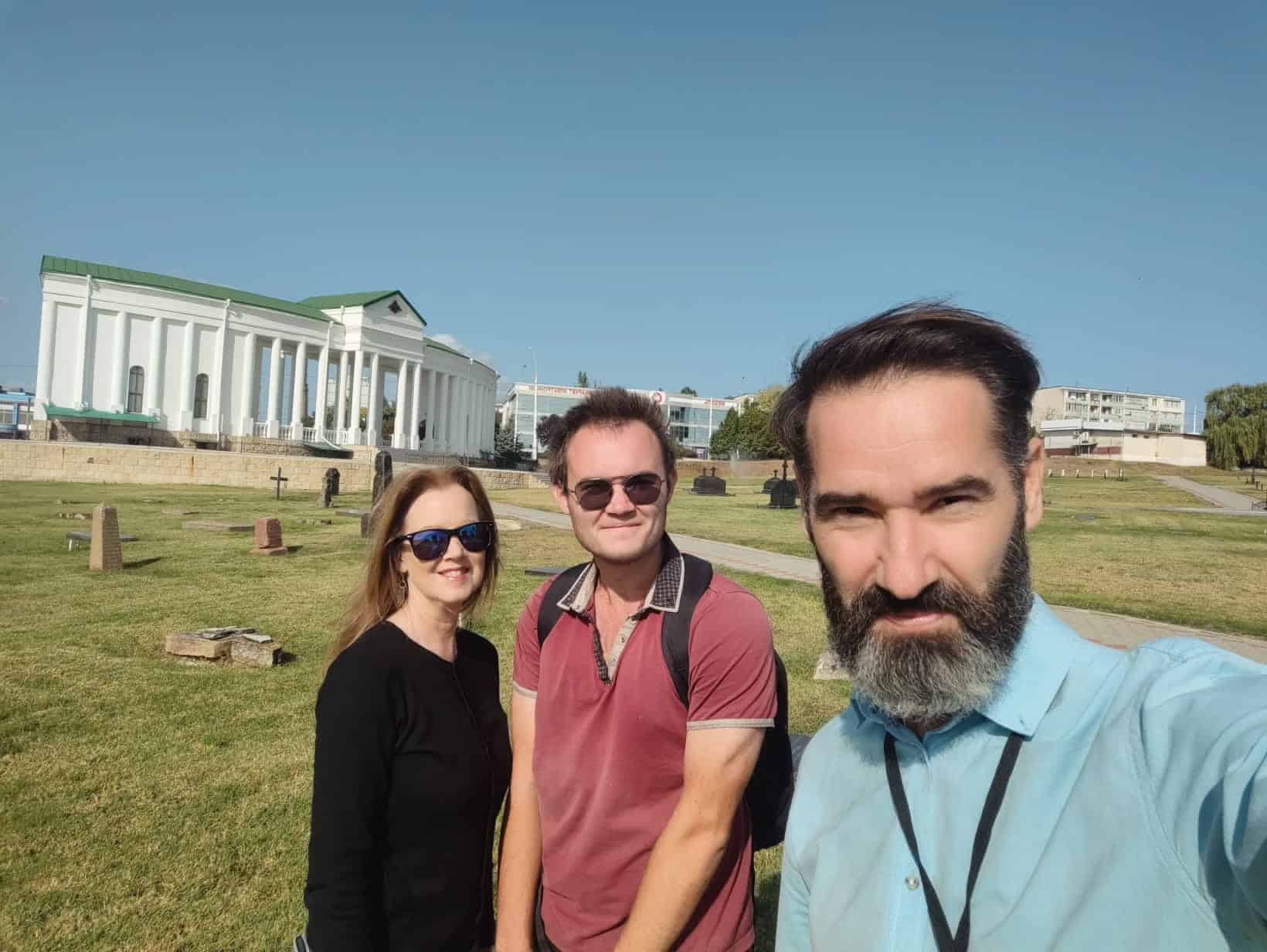
Spring stands out as one of the two optimal periods for visiting Moldova. As winter’s grip loosens, the countryside awakens with fresh greenery, and temperatures become ideal for exploring both urban and rural areas.
April brings favourable weather conditions, with temperatures ranging from 9°C to 17°C (48°F to 63°F). Approximately 95% of Moldova experiences what meteorologists classify as “favourable weather” during this month. The landscape begins to bloom, making it an excellent time for hiking and countryside excursions. Orthodox Easter, which usually falls in April, brings vibrant celebrations featuring colorful flowers and painted eggs.
May represents perhaps the single best month of spring for travelers. Temperatures climb to between 15°C and 23°C (59°F to 73°F), creating perfect conditions for outdoor activities. The weather is described as “favourable” across 82% of the territory. This is an ideal time for wine tours, hiking, and cycling without the intense heat of midsummer. The countryside is lush and green, and the tourist crowds remain manageable.
June offers warm but not yet oppressive conditions, with temperatures from 19°C to 28°C (66°F to 82°F). However, June is also the wettest month in Moldova, receiving approximately 142 mm of precipitation spread over roughly 9 wet days. Travelers should be prepared for occasional showers and thunderstorms. Despite the rain, the long daylight hours and warm temperatures make June an attractive option, particularly for those who don’t mind packing a rain jacket.
Spring’s primary advantage lies in its balance. The weather is pleasant without being extreme, the landscapes are vibrant, and the tourist infrastructure is fully operational but not overwhelmed. For travelers seeking comfortable conditions for exploring both cities and countryside, spring delivers consistently satisfying results.
The Case for Early Autumn: September to October
Early autumn rivals spring as the ideal time to visit Moldova, offering similar weather advantages while adding the spectacular dimension of the wine harvest season.
September provides near-perfect conditions. Temperatures range from 14°C to 25°C (57°F to 77°F), and the weather is classified as “ideal” across most of the country. Rainfall drops significantly compared to summer, with only 2 to 3 rainy days on average. The summer crowds have dispersed, making it easier to secure accommodations and enjoy attractions without jostling through throngs of tourists. The countryside begins its transformation into autumn colors, creating beautiful scenery for road trips and rural exploration.
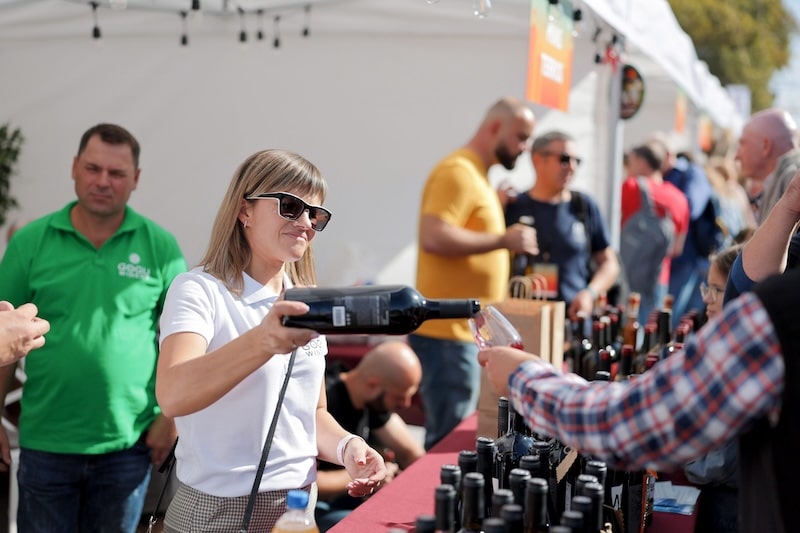
October continues the pleasant weather trend while adding Moldova’s most significant cultural event: the National Wine Day festival. Held annually on the first weekend of October in Chișinău’s central square, this celebration attracts thousands of visitors and showcases wines from across the country. The festival features numerous wineries, cultural performances, and gastronomic activities that highlight Moldova’s centuries-old winemaking tradition. October temperatures range from 8°C to 17°C (46°F to 63°F), cooling noticeably toward month’s end but remaining comfortable for outdoor activities.
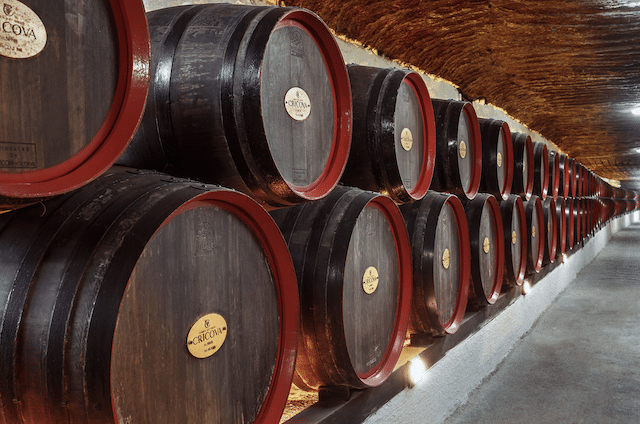
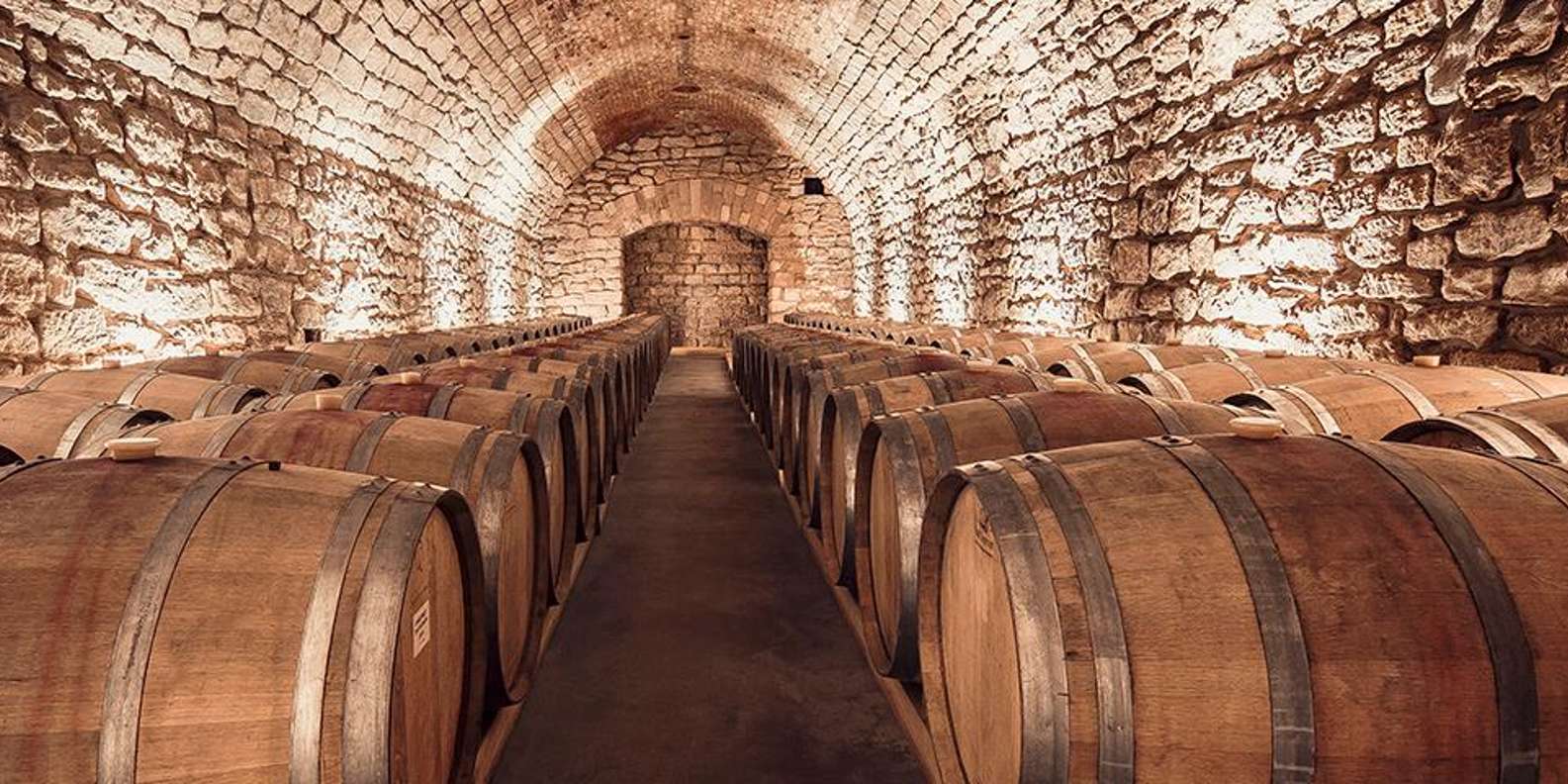
The grape harvest, which typically occurs in late September and early October, adds a special dimension to autumn travel. Wine enthusiasts can witness the production process at some of Moldova’s legendary wineries, including Mileștii Mici and Cricova, which boast some of the world’s largest underground wine cellars. Many smaller wineries also offer tastings and overnight stays in picturesque settings.
October 14th brings the Patronal Feast of Chișinău, honoring the city’s spiritual protector, Saint Demetrius the New. The day features religious services, processions, and various cultural events. Combined with the wine celebrations, this period makes early autumn culturally rich and visually stunning.
Summer Considerations: July and August
While summer months offer undeniable appeal for some travelers, they come with significant trade-offs. July and August are Moldova’s hottest months, with temperatures frequently exceeding 30°C (86°F). August averages 31°C (88°F) during daytime hours. For travelers accustomed to hot climates, these conditions are manageable. For others, the heat can limit outdoor activities to early mornings and evenings.
The summer heat does bring certain advantages. August is the sunniest month, with bright sunshine for approximately 66% of daylight hours—about 9 hours per day. The warm weather makes it ideal for enjoying Moldova’s many parks, outdoor cafes, and lakeside activities. The countryside is at its most vibrant, and long daylight hours maximize sightseeing opportunities.
However, summer also brings thunderstorms, particularly in June. July and August rainfall decreases compared to June, but sudden storms remain possible. The heat can make exploring cities like Chișinău uncomfortable during midday hours, though the capital’s tree-lined parks offer respite.
Families with school-age children often find summer the only practical travel window, and Moldova accommodates them with various festivals and events. The “DOR de Chișinău” Festival in August and the “Gustar” food festival provide cultural entertainment. Yet travelers with flexible schedules would generally find spring or autumn more comfortable for extensive exploration.
Winter Travel: November to March
Winter represents the least popular time to visit Moldova, and for good reason. Temperatures from November through March are cold, with January being particularly harsh at -5°C (23°F) nighttime averages. Snow and ice can make transportation difficult, particularly in rural areas. The weather is classified as “very bad” across 100% of the territory during January, February, and December.
That said, winter offers distinct advantages for certain types of travelers. This is Moldova’s most budget-friendly season, with accommodation prices at their lowest. Museums and cultural attractions are uncrowded, allowing unhurried exploration. The winter holiday season brings festive decorations and celebrations, particularly around New Year’s and Orthodox Christmas in early January. For travelers primarily interested in urban cultural experiences rather than outdoor activities, winter can work well, provided they pack appropriate cold-weather gear.
November deserves special mention as a transitional month that often gets overlooked. While classified as “very bad weather” by climate indices, early November can still offer tolerable conditions before true winter sets in. However, the gray skies and bare trees make this a less appealing time for most visitors.
Festivals and Events Calendar
Moldova’s festival calendar significantly influences the best time to visit, with events clustered in warmer months and autumn.
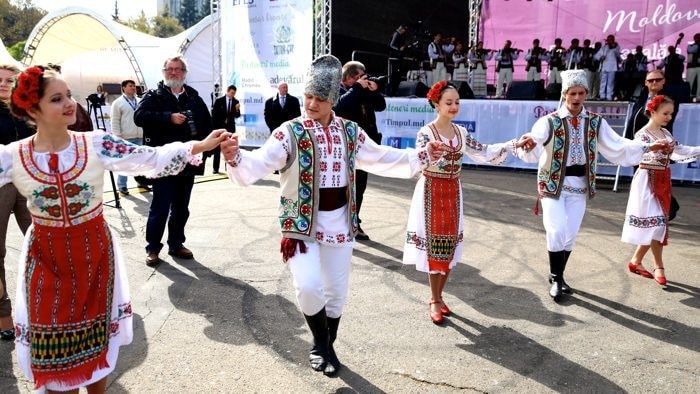
March brings Mărțișor, the traditional spring festival celebrated on March 1st. This UNESCO-recognized tradition involves exchanging small decorative pins or tokens tied with red and white threads, symbolizing the arrival of spring. The International Mărțișor Festival features cultural performances and crafts exhibitions.
April or May sees Orthodox Easter celebrations, which in Moldova are particularly vibrant. Fiery colors erupt across the country in the form of flowers and painted eggs, and traditional Easter foods and customs are on full display.
July features the Medieval Festival in Vatra, which recreates historical atmosphere through parades, tournaments, crafts, and gastronomy. This event attracts increasing numbers of visitors each year and offers a family-friendly cultural experience.
August brings several celebrations: the “DOR de Chișinău” Festival, the “Gustar” food festival, and Independence Day on August 27th. These events showcase Moldovan music, cuisine, and national pride.
September features Etno Fest, celebrating cultural diversity, crafts, music, dances, and folk customs.
October is dominated by National Wine Day, the country’s most significant tourism event. Held on the first weekend of October in Chișinău, this festival celebrates Moldova’s winemaking heritage and attracts thousands of visitors. The same month includes the Patronal Feast of Chișinău on October 14th.
December and January bring winter holiday celebrations, including Western Christmas on December 25th (now a legal holiday), New Year’s Day on January 1st, and Orthodox Christmas on January 7th-8th.
Safety and Practical Considerations
Travelers should be aware of Moldova’s current security situation. The U.S. Department of State maintains a Level 2 travel advisory (“Exercise Increased Caution”) for Moldova due to the ongoing security threats related to Russia’s war against Ukraine. The Transnistria region, a breakaway territory in eastern Moldova, carries a Level 3 advisory (“Reconsider Travel”) due to the presence of Russian troops and potential for sudden deterioration in security.
Unexploded ordnance from World War II and the 1992 Transnistrian conflict exists in certain areas of central Moldova, primarily in agricultural fields, forests, and along the Dniester River banks. These areas are marked with warning signs featuring a red triangle and skull and crossbones. Travelers should avoid any marked areas and exercise caution when exploring rural regions.
Petty crime such as pickpocketing and purse snatching occurs, particularly in popular tourist locations within Chișinău. Travelers should remain aware of their surroundings, avoid displaying valuable items, and be cautious when using ATMs.
Tick-borne encephalitis and other tick-borne diseases present a risk in forested areas from April to October. Travelers planning outdoor activities during these months should use insect repellent, wear long clothing, and check for ticks regularly.
Frequently Asked Questions
What is the single best month to visit Moldova?
September or May are generally considered the optimal months. Both offer pleasant temperatures between 15°C and 25°C (59°F to 77°F), manageable rainfall, and comfortable conditions for exploring both cities and countryside. September edges ahead for wine enthusiasts due to the approaching harvest season, while May appeals to those who prefer spring’s fresh greenery and Easter celebrations.
How much time should I budget for a Moldova trip?
At least two days are needed to explore Chișinău’s parks, museums, and central attractions. Adding wine cellar tours at Mileștii Mici or Cricova requires another day or two. A fuller exploration including Orheiul Vechi’s cave monastery and a rural homestay experience warrants four to five days minimum.
Is Moldova safe for tourists?
Moldova is generally safe, with a Level 2 advisory advising increased caution due to regional security concerns. The primary risks are petty crime in tourist areas and the volatile situation in neighboring Ukraine. Travelers should avoid Transnistria, which carries a Level 3 advisory. With standard precautions, most visitors experience no safety issues. There are many things to do in Chisinau.
What should I pack for a Moldova trip?
Pack light, breathable clothing for summer visits (June-August) and layers for spring and autumn. Spring and autumn temperatures can vary significantly between day and night, so a light jacket or cardigan is essential. Winter requires heavy coats, hats, scarves, gloves, and thermal underwear. Rain gear is advisable year-round, with April and June being particularly wet months. Comfortable walking shoes are essential for exploring Chișinău’s parks and uneven terrain at sites like Orheiul Vechi.
Do I need a visa to visit Moldova?
Citizens of many countries, including the United States, European Union member states, and several others, can visit Moldova visa-free for up to 90 days within a 180-day period. Travelers should check their specific nationality’s requirements before booking. Passports must be valid at the time of entry and have at least three months validity beyond the departure date.
Is English widely spoken in Moldova?
English proficiency varies. Younger Moldovans and those in the tourism industry often speak some English, but Romanian is the official language, and Russian is widely understood. Outside major tourist areas, English may be limited. Learning basic phrases in Romanian (“mulțumesc” for thank you, “noroc” for cheers) is appreciated.
What are the must-try foods and drinks in Moldova?
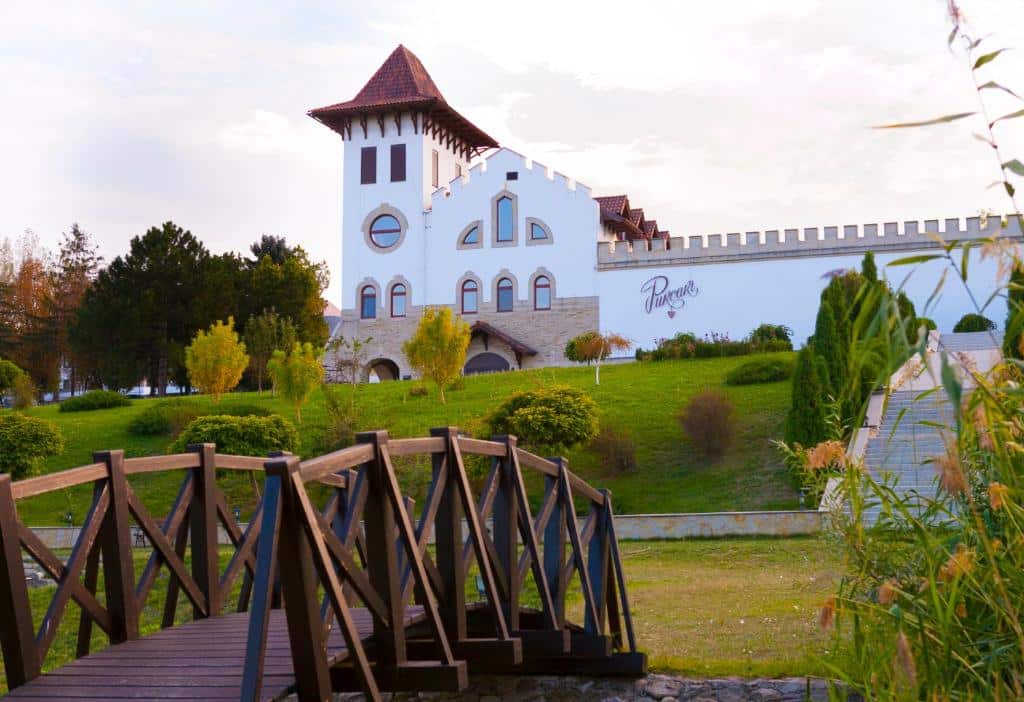
Moldovan cuisine features dishes like sarma (cabbage or grape-leaf rolls stuffed with meat and rice), mici (grilled minced-meat rolls), and various charcoal-grilled meats. Mamaliga (cornmeal porridge) is a staple, often served with cheese and sour cream. The country’s wines—particularly reds from Purcari and sparkling wines from Cricova—are internationally recognized. For a unique experience, try traditional Moldovan brandy (divin) and local fruit wines.
Can I visit Transnistria?
While technically possible, most foreign governments advise against travel to Transnistria due to its unrecognized status, the presence of Russian troops, and unpredictable checkpoints. If you choose to visit, go with a guided tour, carry your passport, and avoid photographing military or government buildings. The U.S. government’s ability to provide emergency assistance there is limited or delayed. However thousands of tourist visit Transnistria every year with no problems, traveling with a local guide will ensure you have a safe experience in Transnistria.
What is the best way to get around Moldova?
Buses and maxi-taxis (rutiera) form the backbone of public transportation, with frequent and inexpensive services throughout the country. Chișinău itself is compact and walkable. For visiting wineries and rural sites, guided tours with transportation included are recommended, as these destinations often lack convenient public transit. Taxis are available and affordable, with a ride from Chișinău airport to the center costing approximately 150 lei ($8).
How much does a trip to Moldova cost?
Moldova is affordable by European standards. A casual restaurant meal averages about 150 lei ($12 CAD). Budget accommodation (hostel or 3-star hotel) costs around 460 lei ($37 CAD) per night. Museum entries are typically 50 lei ($3), and a glass of good domestic wine starts at 60 lei ($3.20). A double room at a top-end Chișinău hotel runs about 2,500 lei ($136).
Conclusion
The best time to visit Moldova depends on your priorities. For ideal weather and the most vibrant cultural calendar, late spring (May-June) and early autumn (September-October) are unmatched. These periods offer comfortable temperatures, manageable rainfall, and a full slate of festivals and events that showcase Moldovan culture at its finest.
Summer appeals to those who don’t mind heat and want to maximize sunshine hours, though July and August can feel uncomfortably hot. Winter offers budget advantages and uncrowded museums but limits outdoor exploration due to cold and snow.
Ultimately, Moldova rewards visitors who time their trips thoughtfully. Whether you come for the wine harvest, the spring blossoms, or simply to explore one of Europe’s last undiscovered corners, understanding the seasonal rhythms will help you craft an unforgettable Moldovan experience.
Book your guided tours and excursions in Moldova with Moldova Tours.

Bryn Jacobs Chief Editor
Hello dear Travelers! I am Bryn Jacobs and I am your travel advisor. Having a vast experience in traveling throughout Eastern Europe and having researched this part of the world myself. I write articles on the site about travel experiences in Eastern Europe with statistics and interesting facts.