A Complete Guide to Moldova’s Monasteries: History, Highlights, and a Suggested 4-Day Itinerary
Published: October 2026
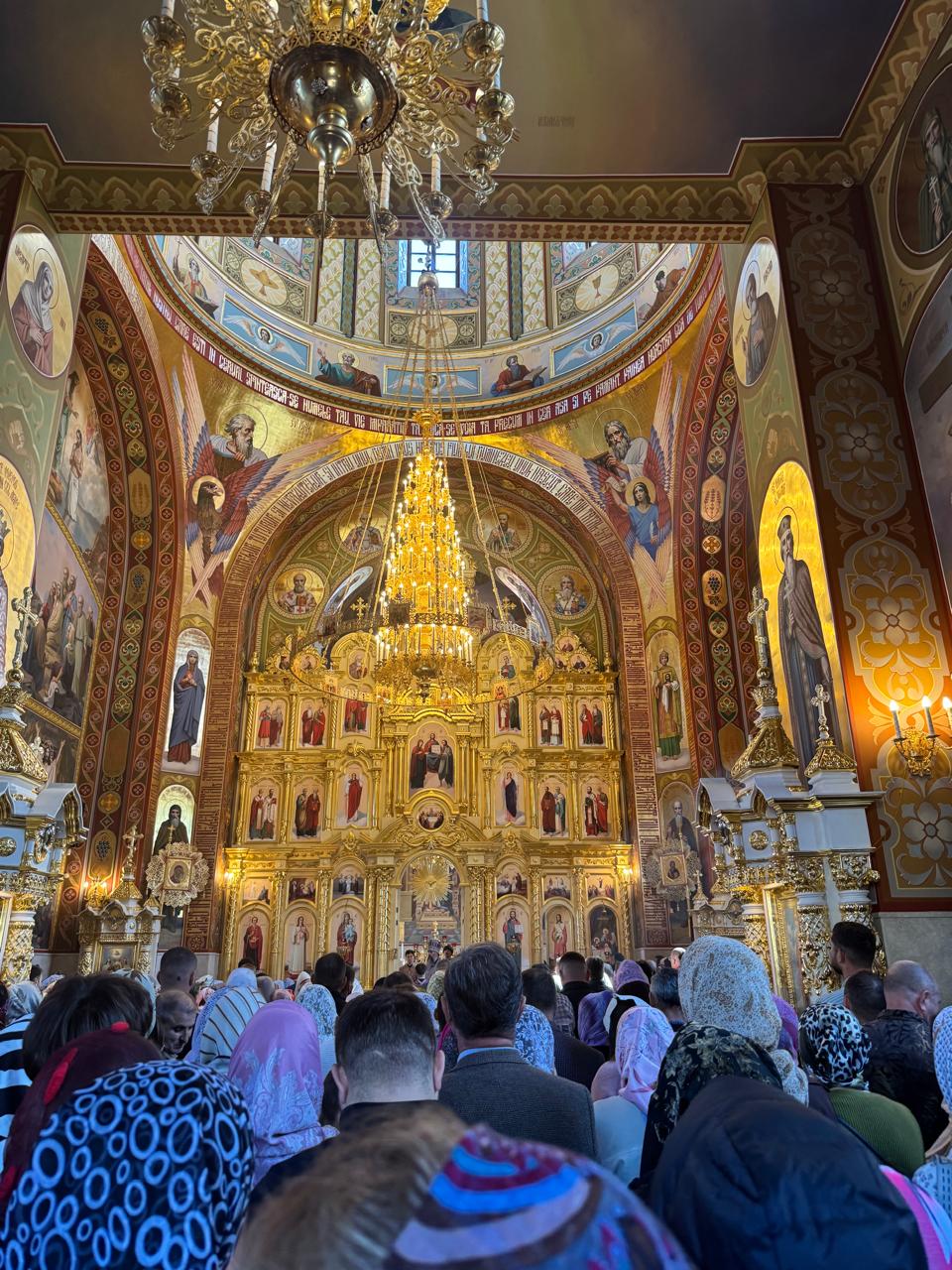
Moldova is not a country that shouts about its treasures. It whispers them from forest clearings, from limestone cliffs above winding rivers, and from the quiet courtyards of ancient monastic settlements. For travellers who seek depth over spectacle, visiting Moldova’s monasteries offer something increasingly rare in modern Europe: genuine spiritual stillness, living history, and architecture shaped by centuries of faith.
This guide introduces you to Moldova’s most significant monasteries — what they are, why they matter, and how to visit them. We have also included a suggested multi-day itinerary that weaves together the country’s most rewarding monastic sites with the landscapes and culture that surround them.
Why Moldova’s Monasteries Matter
Moldova’s monastic tradition stretches back to the earliest days of Moldavian statehood. By the 15th century, when Stephen the Great ruled Moldavia, monasteries had become not only centres of worship but also of culture, learning, and national identity. Rulers endowed them with land and treasures, and monasteries in turn served as libraries, schools, and refuges for those seeking solitude and spiritual discipline .
The monasteries that survive today tell that story in stone. Some, like Căpriana, date to the 15th century and still function as active monastic communities. Others, like the cave monasteries of Old Orhei and Țipova, were carved directly into limestone cliffs and have sheltered monks for centuries. Together, they form a network of spiritual heritage that few visitors to Eastern Europe ever discover.
The Major Monasteries of Moldova
Căpriana Monastery: The Royal Foundation
Căpriana is one of Moldova’s oldest and most important monasteries, located about 40 kilometres north-west of Chișinău in the Strășeni District . Its history reaches back to 1429, when a document issued by Alexander the Good granted it the status of royal monastery. The monastery was founded in a picturesque forested area once known as Codrii Lăpușnei .
What you see today is a complex of three churches. The oldest is the Church of the Dormition, built between 1491 and 1496 in the Moldavian style during the reign of Stephen the Great . The winter church of St George dates to the 20th century, while the 19th-century church is dedicated to St Nicholas. The Church of the Dormition contains the tomb of Metropolitan Gavril Bănulescu-Bodoni, an important figure in Moldovan ecclesiastical history .
Căpriana is not merely a museum. It remains an active monastery and has been the site of significant archaeological research since the 1990s, revealing layers of construction dating back to the 15th century . For visitors, it offers a rare combination of historical depth, architectural beauty, and living monastic tradition.
Curchi Monastery: The Hidden Gem
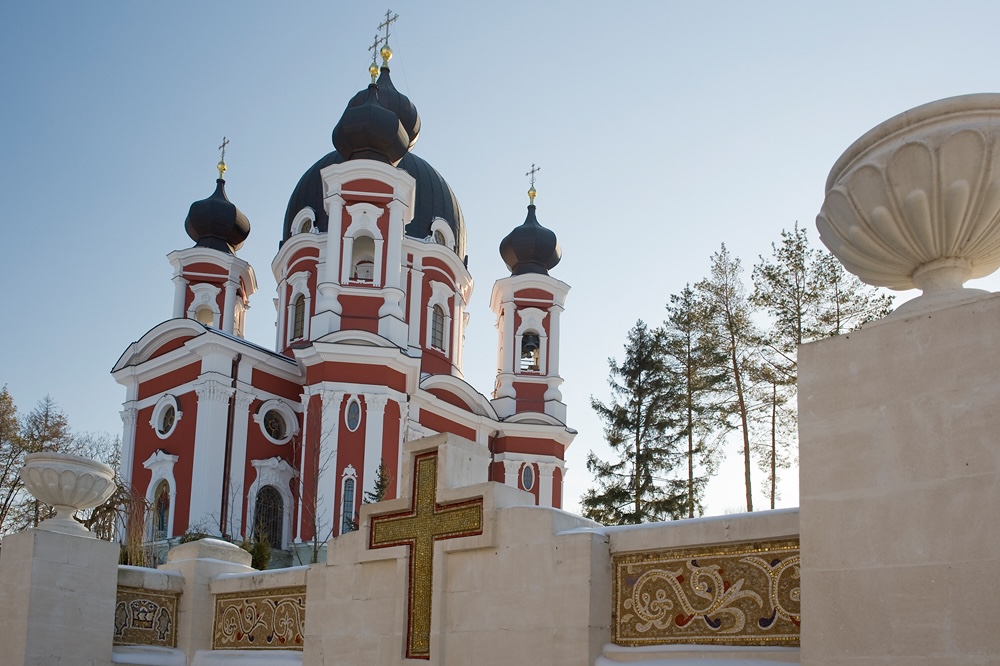
Curchi Monastery, located in the Orhei District, is often described as one of Moldova’s most beautiful monastic complexes. It sits within the boundaries of Orhei National Park, surrounded by the rolling hills and forests that make this part of Moldova so scenic .
Unlike Căpriana, Curchi does not have a single dominant founding date etched in stone. Its history is more elusive, but its beauty is unmistakable. The monastery’s whitewashed walls and distinctive architecture have made it a favourite among photographers and travellers seeking a quieter alternative to the more famous sites. Visiting Curchi monastery with a private guide is very easy.
Old Orhei: The Cave Monastery and Ancient Settlement
Old Orhei is not just a monastery. It is a historical and archaeological complex of extraordinary richness, located about 60 kilometres north-east of Chișinău on the Răut River .
The landscape itself is dramatic: limestone cliffs eroded by the river, creating natural caves that have been inhabited for millennia. Archaeological excavations have revealed cultural layers from the Paleolithic, Eneolithic, and Iron Ages, along with remnants of a Geto-Dacian fortress from the 6th to 1st centuries BC, a Golden Horde fort, and a medieval Moldavian town .
The Orthodox monastery at Old Orhei dates to around the 14th century and is still inhabited by a small number of monks who maintain the church at the top of the hill. The caves below serve as chapels and contain historical artifacts and Old Church Slavonic inscriptions dating from the 1690s . Visiting Old Orhei is less about visiting a single monastery and more about stepping into a landscape where human habitation, faith, and nature have intertwined for thousands of years.
Țipova Monastery: The Cliffside Hermitage
Țipova Monastery, in the Rezina District, is one of Moldova’s most striking cave monasteries. Built between the 10th and 12th centuries, it was carved from a giant limestone rock and comprises 18 caves connected by internal passages . It stands on the banks of the Nistru River, offering panoramic views of the surrounding valley.
The monastery is no longer active as a monastic community, but the cave complex remains open to visitors. The journey to Țipova — through the villages and along the river — is part of the experience, revealing a side of Moldova that most tourists never see.
Hâncu Monastery: The Forest Retreat
Hâncu Monastery is another of Moldova’s significant monastic sites, though information about it is less readily available than for Căpriana or Old Orhei. What is known is that it is listed among the country’s Christian monasteries and continues to function as a religious community .
Hâncu is located in a forested area, and its relative obscurity means it receives fewer visitors than the more famous sites. For travellers seeking quiet contemplation, it may be exactly the right destination.
A Suggested 4-Day Monastery Itinerary
This itinerary assumes you are based in Chișinău and have access to a car or, preferably, a local guide who knows the roads and the monasteries’ opening hours. It balances major sites with quieter, less-visited ones and allows time to appreciate the landscapes in between your Chisinau tours with a guide.
Day 1: Căpriana and Hâncu
Morning: Depart Chișinău early and drive north-west to Căpriana Monastery (approximately 40 km, about 45 minutes). Spend the morning exploring the complex — the three churches, the tomb of Metropolitan Bănulescu-Bodoni, and the peaceful forested grounds. Căpriana is an active monastery, so be respectful of the monks and any services in progress.
Afternoon: Continue to Hâncu Monastery, which lies in a similar direction. The drive takes you through some of Moldova’s most attractive countryside. Hâncu is quieter than Căpriana, and its forest setting makes it ideal for an afternoon of reflection.
Evening: Return to Chișinău, or stay overnight in a rural guesthouse in the Strășeni area if you prefer to avoid the drive back in the dark.
Day 2: Old Orhei and Curchi
Morning: Drive north-east to Old Orhei (about 60 km, roughly one hour). Spend the morning exploring the archaeological complex, the cave monastery, and the church on the hill. The views over the Răut River valley are among the finest in Moldova.
Afternoon: After lunch in the village of Trebujeni or Butuceni, continue to Curchi Monastery, which lies within Orhei National Park. Curchi is a short drive from Old Orhei and offers a different architectural and spiritual experience — more polished and enclosed than the wildness of the cave monastery.
Evening: Return to Chișinău, or stay overnight in a guesthouse in the Orhei area. Several rural guesthouses in the region offer traditional dinners and a chance to experience village life.
Day 3: Țipova and the Nistru Valley
Morning: Drive north to Țipova Monastery in the Rezina District (approximately 120 km from Chișinău, around two hours). The route follows parts of the Nistru River, and the scenery is spectacular. The cave monastery itself requires a short hike, so wear comfortable shoes.
Afternoon: After exploring Țipova, take time to enjoy the Nistru valley. Depending on your interests, you could visit nearby villages, stop at a viewpoint, or simply enjoy the quiet. The area around Țipova is far from the tourist trail and feels genuinely remote.
Evening: Return to Chișinău, or consider staying overnight in a guesthouse in the Rezina or Orhei area to break up the driving.
Day 4: Reflection and Return
Morning: Use this day flexibly. If you have not yet visited Hâncu (or wish to return), it is worth a second look. Alternatively, revisit a monastery that particularly resonated with you, or explore a site we have not covered in detail.
Afternoon: Begin your return to Chișinău, or continue to another part of Moldova if your journey extends further. The monasteries are best experienced slowly, so resist the temptation to rush.
Practical Tips for Visiting Moldova’s Monasteries
Dress respectfully. These are active places of worship. Women should cover their heads and shoulders; men should remove their hats. Avoid shorts and sleeveless tops.
Check opening hours. While most monasteries are open daily, hours can vary, especially outside the summer season. Some caves and smaller sites may be closed without notice.
Bring cash. Smaller monasteries and rural areas may not accept cards. Moldovan lei are the local currency; some sites may also accept Romanian lei or euros, but do not count on it.
Hire a local guide. Moldova’s monasteries are scattered across the countryside, and public transport to many of them is limited or non-existent. A guide not only handles logistics but can explain the history and significance of what you are seeing. Private guides in Moldova are readily available.
Photography restrictions. Some monasteries prohibit photography inside churches. Always ask before taking pictures, and respect any signs or instructions.
Combine monasteries with other experiences. Moldova’s wineries, rural guesthouses, and markets are often close to the monasteries. A day that combines a morning at Căpriana with an afternoon at a winery, for example, offers a fuller picture of Moldovan culture.
Frequently Asked Questions
What is the most important monastery in Moldova?
Căpriana is generally considered the most historically significant, having received royal status in 1429 and containing the tomb of Metropolitan Gavril Bănulescu-Bodoni. Old Orhei is the most archaeologically important, with layers of habitation spanning thousands of years.
Are Moldova’s monasteries open to tourists?
Yes, most are open to visitors. Some, like Căpriana and Hâncu, are active monasteries, so visitors should behave respectfully. Cave monasteries like Țipova and Old Orhei are accessible but may require short hikes.
Can I visit the monasteries independently?
Technically yes, but it is challenging. Public transport is limited, roads can be difficult, and many monasteries are in rural areas with little signage. A local guide or organised tour in Moldova is strongly recommended for first-time visitors.
Do I need to pay to enter?
Some monasteries request a small donation, while others are free to enter. There is no standard fee. Bringing small amounts of cash is advisable.
What should I wear when visiting a monastery?
Modest clothing is essential. Women should cover their heads and shoulders; men should remove hats. Avoid shorts, short skirts, and sleeveless tops. Some monasteries provide wraps or scarves at the entrance.
How many days do I need to see the main monasteries?
Three to four days allows you to visit the major sites — Căpriana, Old Orhei, Curchi, and Țipova — without rushing. A longer trip allows time for Hâncu and other smaller monasteries, as well as the landscapes and villages in between.
What is the best time of year to visit?
Spring and autumn are ideal times to visit Moldova, with mild weather and beautiful scenery. Summer is warmer but can be crowded at the most popular sites. Winter visits are possible but some smaller monasteries may have reduced hours, and rural roads can be challenging.
Final Thoughts
Moldova’s monasteries are not merely tourist attractions. They are living witnesses to a faith and a culture that have endured through centuries of change, conflict, and renewal. Visiting them is an opportunity to step outside the rush of modern travel and into a quieter, more contemplative rhythm.
Whether you come for the architecture, the history, the landscapes, or simply the silence, you will find something here that stays with you. Bring good shoes, a respectful attitude, and enough time to slow down. Moldova’s monasteries reward those who are willing to listen.

Book your private Monasteries tours in Moldova today