The Ultimate Guide to Old Orhei: Moldova’s Ancient Cave Monastery & Cultural Landscape
There’s a place in Moldova where history is carved into the cliffs themselves.
A place where 6,000 years of habitation — Dacian fortresses, Golden Horde cities, Orthodox monks, and rural village life — converge in a single dramatic landscape above the Răut River valley.
It’s called Old Orhei (Orheiul Vechi). And it’s the single most important cultural and historical site in Moldova.
Located just 55-60 kilometers northeast of Chisinau, this open-air museum is an essential day trip for anyone visiting the country. In a single day, you can climb to a 13th-century cave monastery, explore the ruins of a medieval Golden Horde city, enjoy a traditional Moldovan lunch in a village that time forgot, and — if you’re so inclined — descend into an underground winery that feels like another world entirely.
This is your complete guide to visiting Old Orhei: what to see, how to get there, what it costs, and how to combine it with other Moldova highlights.
What Is Old Orhei?
Old Orhei is a sprawling archaeological and historical complex set on the banks of the Răut River, between the villages of Butuceni, Trebujeni, and Morovaia . It’s an open-air museum — not a single site, but a landscape layered with centuries of human habitation.
The complex holds 6,000 years of history in one valley . You’ll find:
-
Dacian fortress earthworks from the first centuries BCE and CE
-
Ruins of a Golden Horde city called Shehr al-Jadid, which flourished in the 13th-14th centuries
-
A cave monastery whose earliest cells were carved from the limestone cliffs during the medieval period
-
Traditional village architecture in Butuceni and Trebujeni that has changed less than almost anywhere in the region
The site is a candidate for UNESCO World Heritage inscription — it hasn’t received the designation yet, but it’s Moldova’s most significant heritage site by scale and complexity .
Quick facts:
-
Distance from Chisinau: ~55-60 km (1 hour by car)
-
Best time to visit: Late spring (May-June) and early autumn (September-October)
-
Duration: 3-4 hours on site; 6-7 hours as a day trip from Chisinau
-
Access: By car, marshrutka (minibus), or guided tour
-
Languages for guides: Romanian, Russian, English, Italian, French (some require advance booking)
Why Old Orhei Is Special
Moldova has many attractions. But Old Orhei is different in a fundamental way.
Most historic sites in Moldova focus on one era or one theme. Old Orhei tells the entire story of this land in a single valley. The Dacians built here. The Golden Horde built here. Orthodox monks carved their cells into the cliffs here. And today, villagers still live and farm on the same land.
As Cultural Heritage Online puts it: “Orheiul Vechi is Moldova’s most significant heritage site in terms of scale and complexity” .
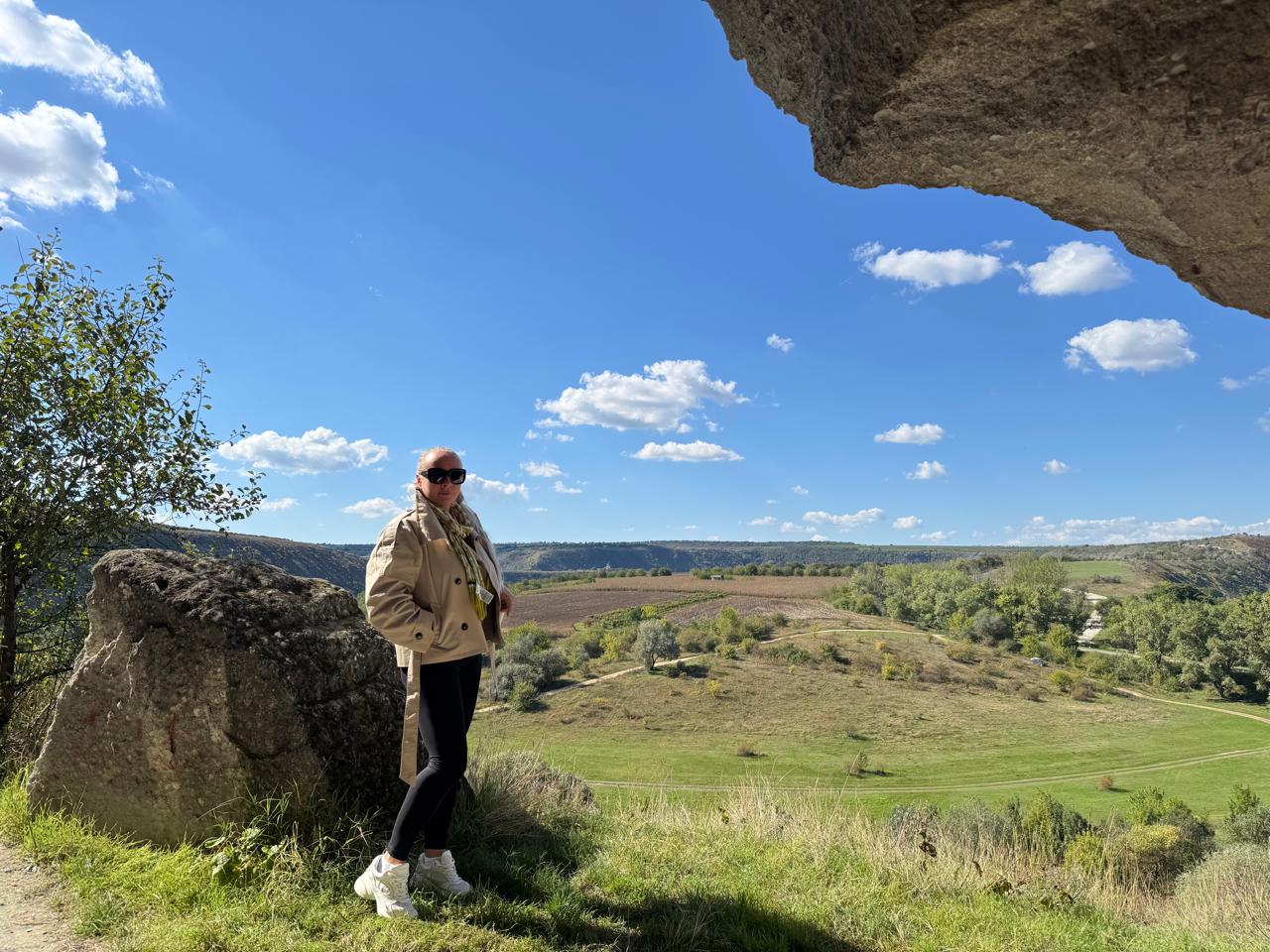
And the scenery? The Răut River bends sharply around a limestone promontory, creating a landscape that “invites both settlement and solitude” . The views from the cave monastery are among the most spectacular in the country.
The Cave Monastery: Old Orhei’s Icon
The Cave Monastery of the Assumption is the most recognizable symbol of Old Orhei — and for good reason.
What You’ll See
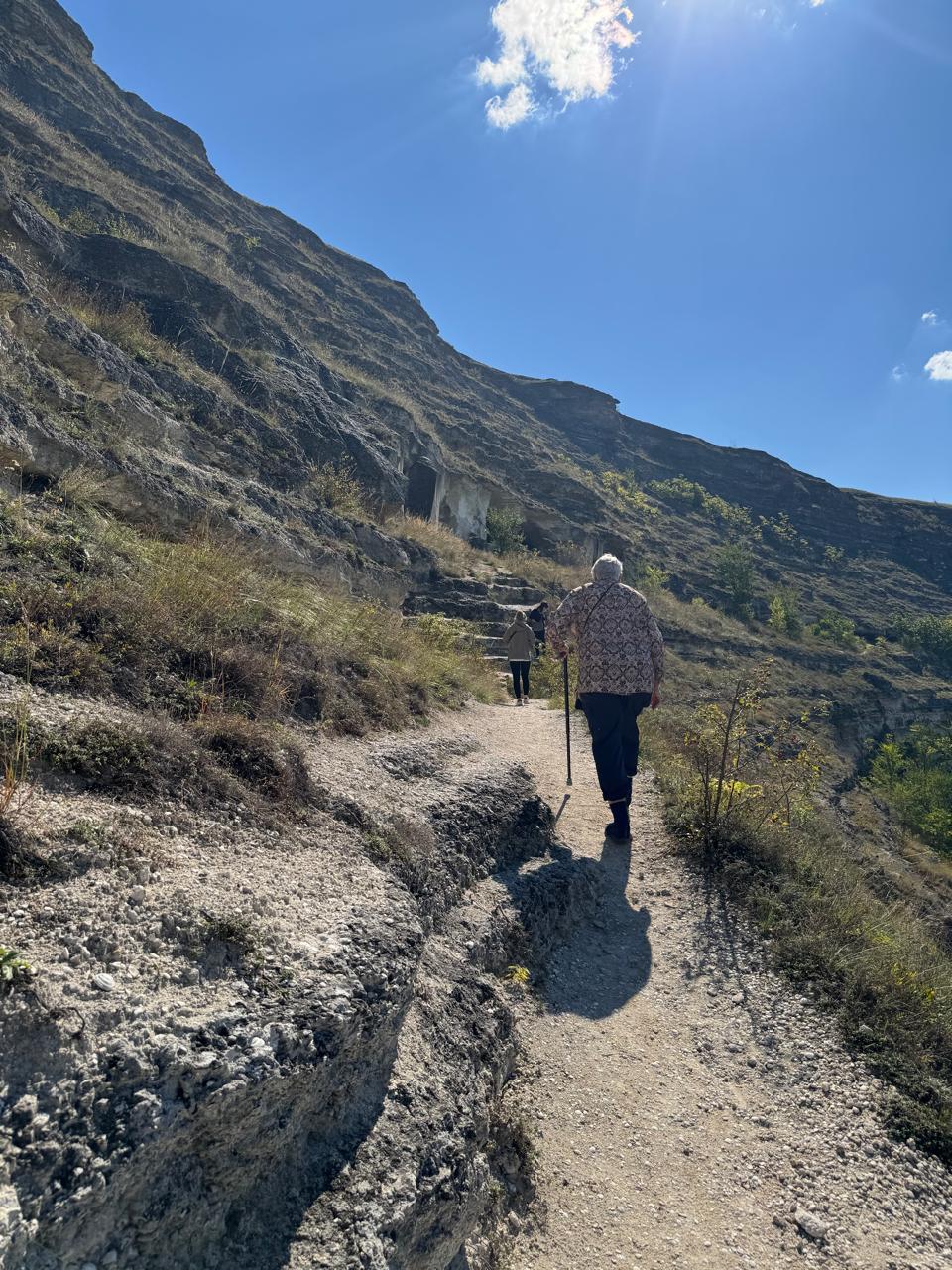
The monastery was dug into the limestone cliffs by local monks in the 13th century . You reach it by climbing a path along the cliff edge — approximately 200 steps from the valley floor .
Inside, you’ll find:
-
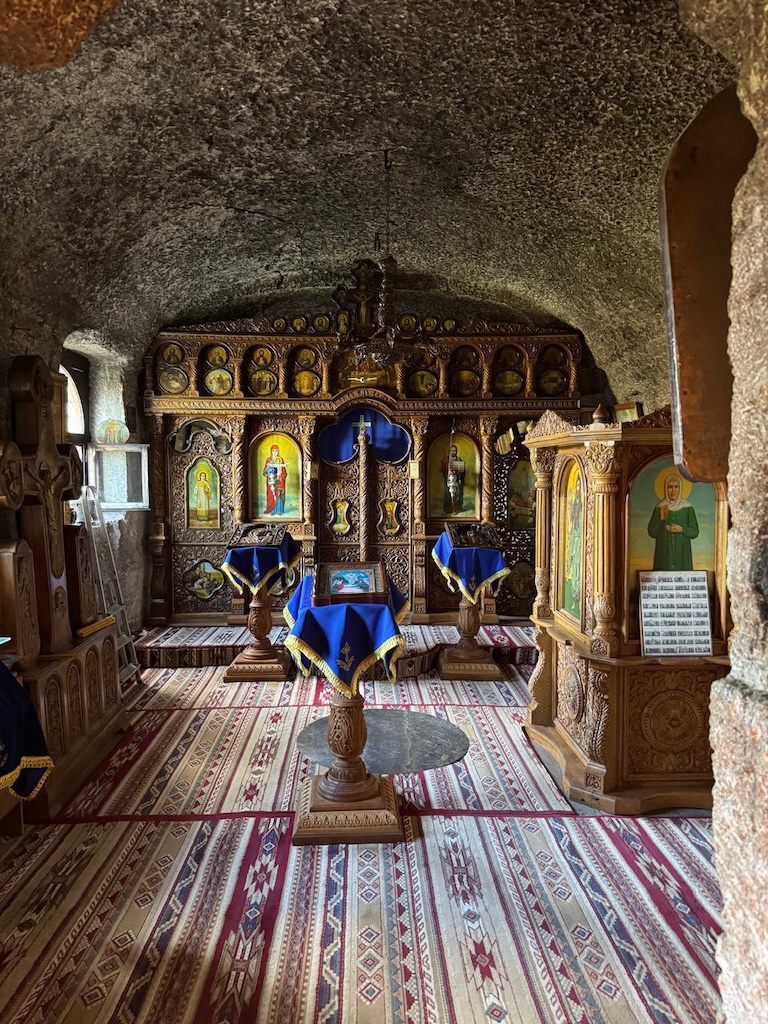
Cave chambers and a church carved directly from the rock
-
Frescoed walls that have survived centuries
-
A bell installed in a natural rock niche
-
A spring considered sacred by local communities
The monastery is still an active religious site. A small monastic community still lives there .
The most memorable feature is the narrow ledge behind the monastery, which opens onto a view over the Răut valley . The perspective — looking out from inside a cave, through jagged windows chiseled from the cliff — is unlike anything else in Moldova.

Practical Notes
-
Fitness required: The climb is not suitable for people with mobility impairments
-
Dress code: This is an Orthodox holy site. Modest dress is expected — no shorts or tank tops. Women are asked to cover their heads when entering the monastery, and the policy is enforced
-
Best light: Visit in the morning or late afternoon. Midday summer heat can be intense on the exposed paths
The Ruins: A Medieval City You Didn’t Expect
Most visitors come to Old Orhei for the cave monastery. But the archaeological ruins nearby tell an equally fascinating story.
In the 13th and 14th centuries, this area was home to Shehr al-Jadid (“New City” in Arabic) — a settlement of the Mongol Golden Horde . This wasn’t a remote monastery outpost. It was an urban center.
Archaeological excavations have uncovered:
-
Public bathhouses (hammams)
-
A mosque foundation
-
A caravanserai (a roadside inn for travelers)
-
Residential quarters
The ruins are located between Butuceni and Trebujeni, near the main road. They’re marked with clear signs, and for independent visitors, a map is available at the information point .
Why this matters: Seeing these ruins — and understanding that a sophisticated, multi-ethnic city flourished here centuries before the monasteries — changes how you see the landscape. Old Orhei isn’t just a religious site. It’s a palimpsest of civilizations.
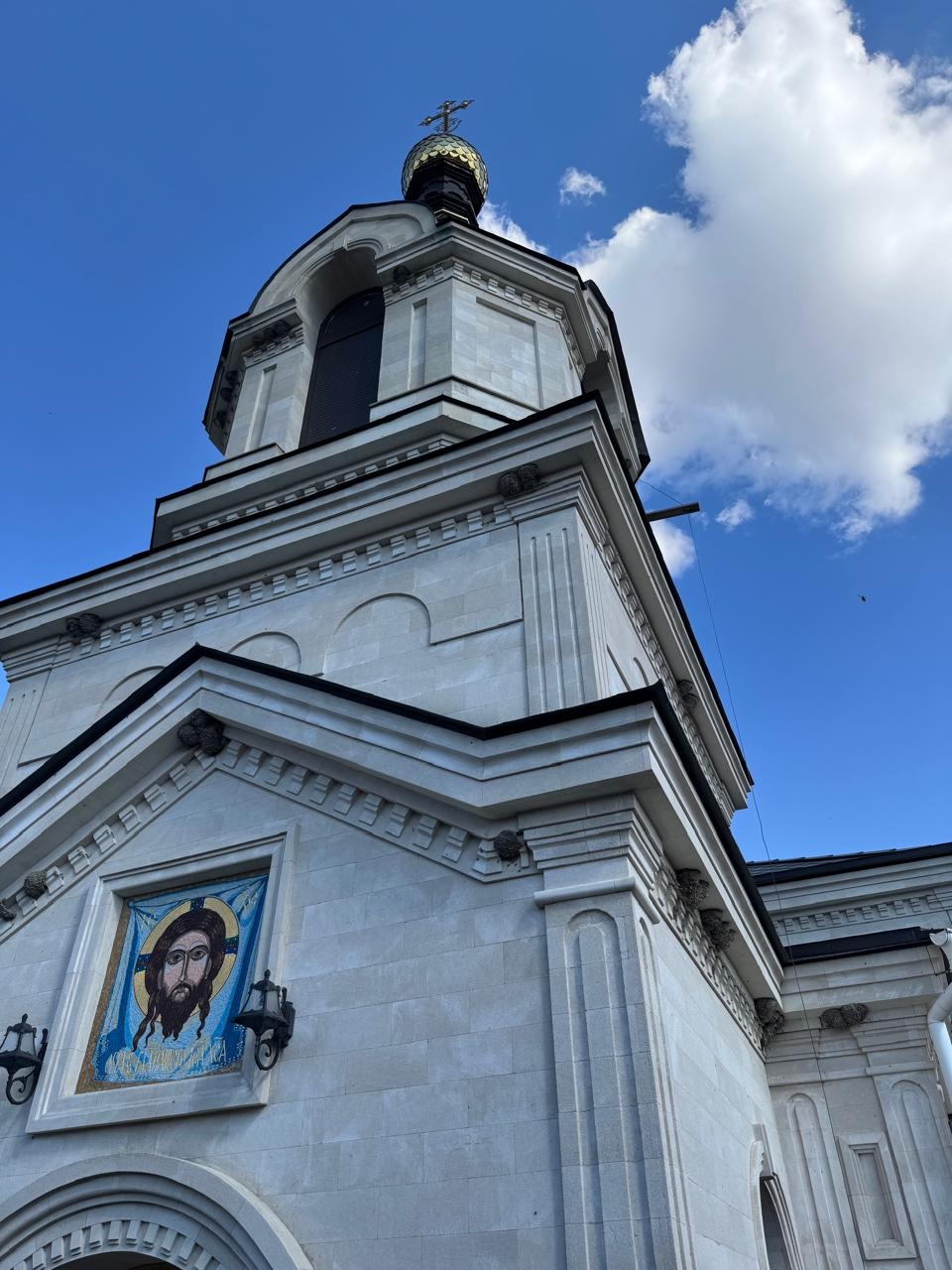
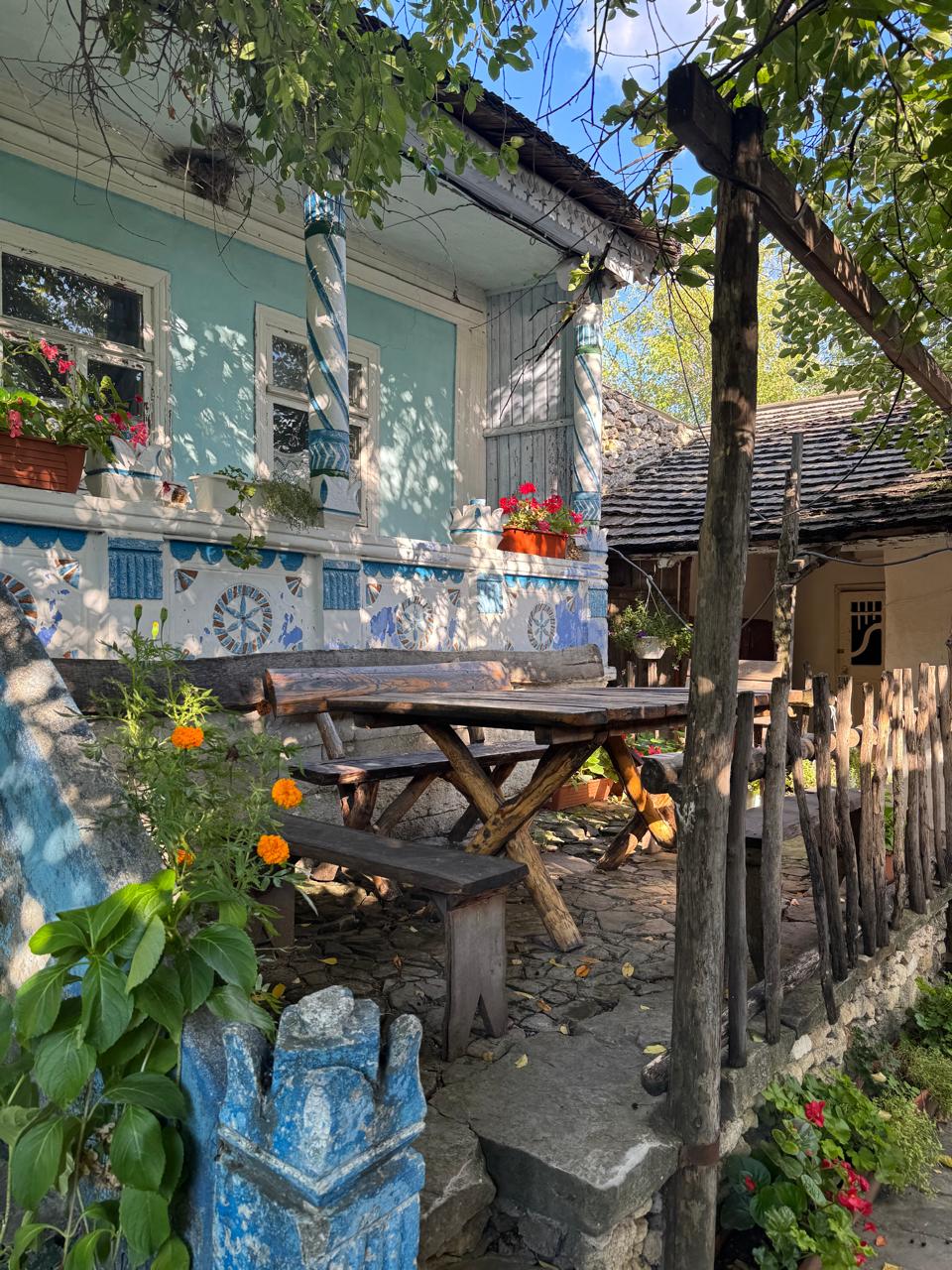
Butuceni Village: Rural Moldova at Its Most Authentic
The village of Butuceni is an essential part of the Old Orhei experience. It’s not just a place to park your car — it’s a living community that has preserved the traditions of rural Moldova.
The Atmosphere
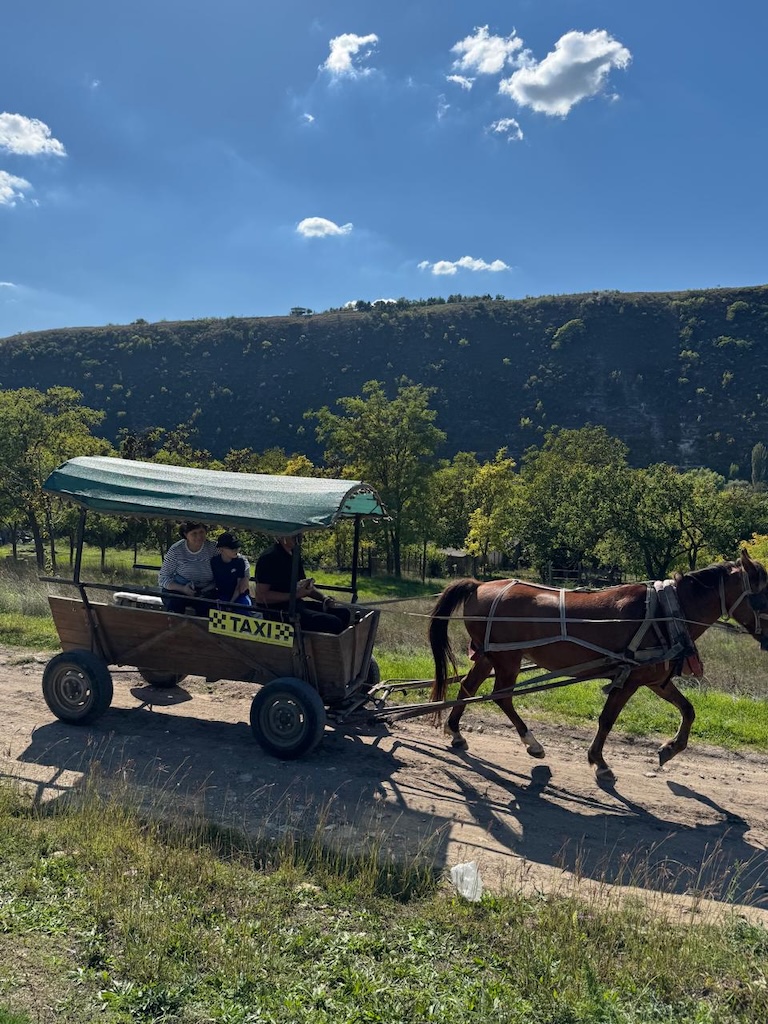
Walking through Butuceni feels like stepping into a different time. Drivers still overtake locals in donkey carts on steep, frequently unpaved mountain roads . The village is quiet, unhurried, and deeply authentic.
Where to Eat
Eco Resort Butuceni is the best-known option for traditional Moldovan cuisine. The owners describe it as a place where “stories with childhood aromas” come alive . The oven is the great pride here — located right in the courtyard, so you can watch the fire burn and see dishes being baked before they reach your table .
Menu highlights:
-
Traditional broth with homemade noodles
-
Polenta (mămăliga)
-
Cabbage rolls baked in clay pots
-
Traditional pies (plăcinte)
-
Cușma lui Guguță — an authentic traditional dessert
The restaurant now offers over 35 dishes, including seasonal options and customized menus .
Where to Stay
If you want to extend your visit, Eco Resort Butuceni offers 20 traditional rooms in a restored village setting . Another option is Casa Agricultorului Varzari, a guesthouse tucked beneath the cliffs with private balconies overlooking the Răut River. It offers homemade traditional meals, a camping area, and guided hiking tours. Prices start from 2,000 MDL per cottage .
Staying overnight lets you experience the village after day-trippers leave — and catch sunrise over the valley.
The Opera Connection
One of the most surprising things about Butuceni: it has become a cultural center. The Butuceni Opera has hosted multiple opera and classical music performances, bringing “refinement and elegance to the heart of nature” .
Curchi Monastery: A Perfect Complement
Most Old Orhei tours include a stop at Curchi Monastery, one of Moldova’s most beautiful Orthodox complexes.
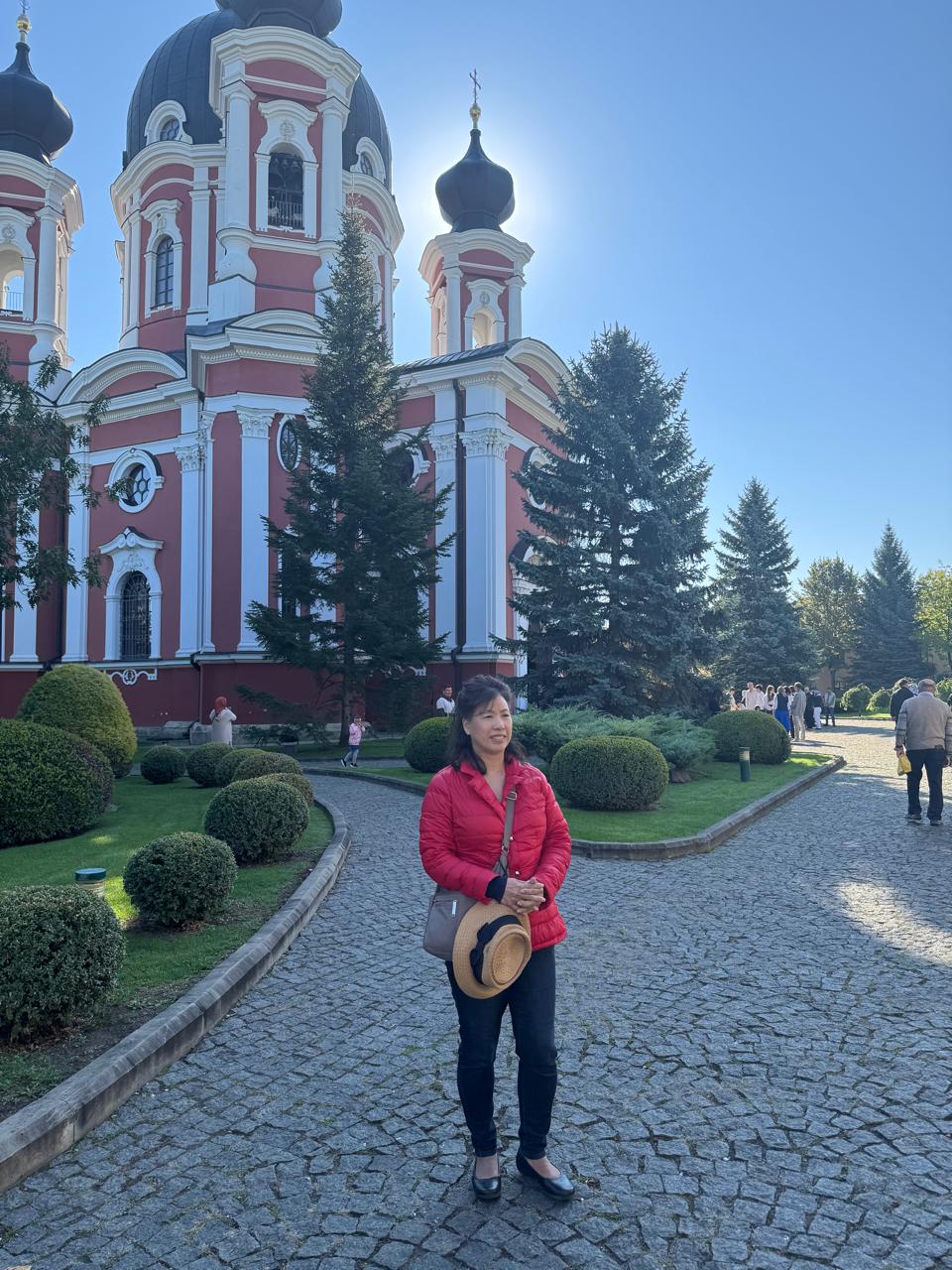
Located about 55 km from Chisinau in the Vatici Valley, Curchi is described as “the pearl of Moldova” . Its location is “of rare splendor” — surrounded by forests, with white and red walls that contrast beautifully with the green landscape .
What you’ll see:
-
St. Nicholas Cathedral — the main church, majestic and beautifully restored
-
Manicured gardens and peaceful grounds
-
A monastic complex with a cultural and religious history of two and a half centuries
Curchi is typically visited as a 1-hour stop on combined Old Orhei tours . It’s a serene counterpoint to the dramatic cliffs and ancient ruins of Old Orhei.
How to Get to Old Orhei from Chisinau
Let us look at the best way to get to Old Orhei from Chisinau.
Option 1: Guided Tour (Recommended)
The easiest and most informative option. Tours include hotel pickup, transport, an English-speaking guide, and entry tickets to the archaeological complex .
Typical inclusions:
-
Hotel pickup and drop-off
-
Professional guide
-
Entry tickets to Old Orhei Archaeological Complex
-
Visit to Curchi Monastery
-
Round-trip transportation
Duration: Typically 8 hours for a full-day tour combining Old Orhei, Curchi, and optionally Cricova Winery .
Cost: Group tours range from $75-125 per person depending on inclusions and group size .
Not suitable for: People with mobility impairments. The tour involves walking on uneven terrain and climbing steps .
Option 2: Marshrutka (Minibus)
For independent travelers on a budget, marshrutka services run from Chisinau Central Bus Stationto Butuceni .
Important: Take the marshrutka labeled “Butuceni” or “Orheiul Vechi” — NOT the ones labeled just “Orheiul,” which go to a different village .
Schedule from Chisinau: 8:35, 10:20, 13:45, 17:15, 18:15
Return from Butuceni: 6:00, 8:00, 10:00, 15:00, 16:30
Ticket price: 55 MDL per person
Warning: The marshrutka schedule can be awkward. Plan your return trip in advance .
Option 3: By Car
Drive time is approximately 1 hour via the R3 road toward Orhei, then north toward Trebujeni .
Parking: Available near the information point or in designated areas. On weekends, spots fill quickly, especially in spring and summer .
How Much Does an Old Orhei Day Trip Cost?
| Option | Cost | Notes |
|---|---|---|
| Marshrutka (self-guided) | 110 MDL round-trip | Plus entry fees and meals |
| Group tour (Old Orhei + Curchi) | $75-125 per person | Includes transport, guide, entry |
| Private tour | Higher, customizable | Best for small groups/families |
| Entry to Old Orhei | Included in most tours | Free for independent visitors |
| Guide at site | 200-300 MDL | Romanian 200 MDL; Russian/other 300 MDL |
| Lunch in Butuceni | 150-300 MDL | Traditional Moldovan cuisine |
Combine Old Orhei With Other Moldova Highlights
Old Orhei’s location makes it perfect for combining with other attractions.
Branesti Winery (5 km away)
Branesti Winery (Pivnițele din Brănești) is just 5 kilometers from Old Orhei . It occupies an old limestone mine with 75 kilometers of tunnels and a unique Stone Age tourist complex where you can eat and drink underground, completely disconnected from the modern world.
Combined tour: Many operators offer Old Orhei + Branesti full-day tours that include the cave monastery, village lunch, and wine tasting .
Cricova Winery (Optional Add-On)
Cricova is Moldova’s most famous underground wine city, with 120 kilometers of tunnels and a train that takes visitors through the cellars .
Combined tour: Old Orhei + Curchi + Cricova is one of the most popular full-day itineraries. It combines history, culture, and wine in a single 8-hour day .
Important: The Cricova entrance fee and wine tasting are not included in the base tour price. You pay at the winery: 25 EURO for tour only, or 40 EURO for tour + 4-wine tasting .
Soroca Fortress
For travelers with more time, Soroca Fortress — Moldova’s medieval guardian on the Dniester River — is a full-day trip in the opposite direction. It can’t be comfortably combined with Old Orhei in one day.
Frequently Asked Questions
Do I need a guide for Old Orhei?
Not strictly, but a guide adds significant value. Without one, the ruins look “modest,” though historically important. With a guide, the historical layers — Dacian, Golden Horde, Orthodox — become clear and meaningful .
Is Old Orhei suitable for children?
Yes, but with caveats. The climb to the cave monastery involves 200 steps and uneven terrain . It’s not suitable for people with mobility impairments . Active children who can handle walking will enjoy the adventure.
What should I wear?
Comfortable shoes are essential — “here, convenient footwear is more important than a beautiful photo” . For the monastery, modest dress is expected: no shorts or tank tops. Women should cover their heads when entering .
How long should I spend at Old Orhei?
3-4 hours on site is ideal for the main route: cave monastery, ruins, and a walk through Butuceni . Most day tours allow 1-2 hours, which is enough for the highlights but rushed.
When is the best time to visit?
Late spring (May-June) and early autumn (September-October) offer the best conditions — green valleys and dramatic light on the limestone cliffs . Summer is hot and crowded; winter access tracks can be muddy. The decision is your when to visit Moldova.
Are there restaurants nearby?
Yes. Eco Resort Butuceni serves traditional Moldovan cuisine in a village setting . Other guesthouses in Butuceni also offer meals.
Can I stay overnight?
Yes. Eco Resort Butuceni has 20 traditional rooms . Casa Agricultorului Varzari offers cottages starting from 2,000 MDL .
Is Old Orhei a UNESCO site?
Not yet. It’s a candidate for inscription but has not received the designation as of 2026 .
What is the Golden Horde city?
In the 13th-14th centuries, the Mongol Golden Horde established Shehr al-Jadid (“New City”) on the Răut promontory. It included bathhouses, a mosque, and a caravanserai. The ruins are visible today alongside the cave monastery .
Ready to Visit Old Orhei?
Old Orhei is Moldova’s crown jewel — a place where 6,000 years of history are written in stone. Whether you come for the cave monastery, the medieval ruins, the village cuisine, or the stunning landscapes, it’s an experience you won’t forget.
We run guided Old Orhei tours from Chisinau with hotel pickup, English-speaking guides, and entry tickets included. We also offer combined tours that include Curchi Monastery, Branesti Winery, and Cricova.
Browse Our Old Orhei Tours
Contact Us to Plan Your Trip

Ready to book your day trip to Old Orhei ?