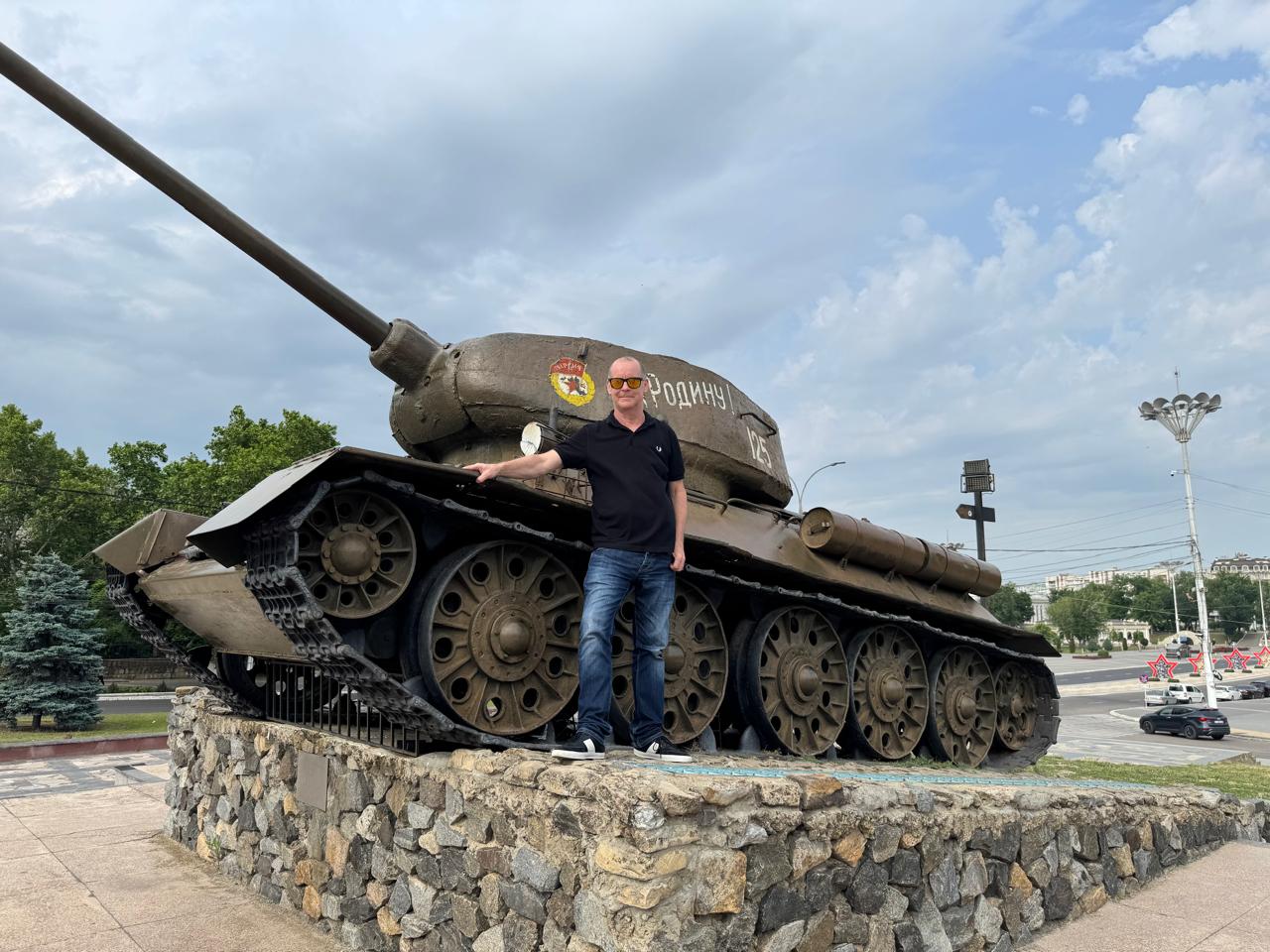
The Ultimate Guide to Visiting Transnistria: Europe’s Last Soviet Time Capsule
Transnistria. The name itself sounds like a relic from another era. And in many ways, it is.
Officially known as the Pridnestrovian Moldavian Republic (PMR), this narrow strip of land between Moldova and Ukraine is one of the most fascinating places in Europe — a self-declared state that almost no one recognizes, yet functions with its own government, military, currency, and borders .
For travelers, visiting Transnistria feels like stepping into a living museum of the Soviet Union. Lenin statues still stand proudly in city squares. The hammer and sickle adorns the national coat of arms. State-run factories still bear Soviet insignia. And yet, alongside this frozen-in-time atmosphere, there’s life, color, and warmth .
This is the most comprehensive guide to visiting Transnistria on the internet. From entry requirements to the best attractions, safety concerns to practical tips — everything you need to know is here.
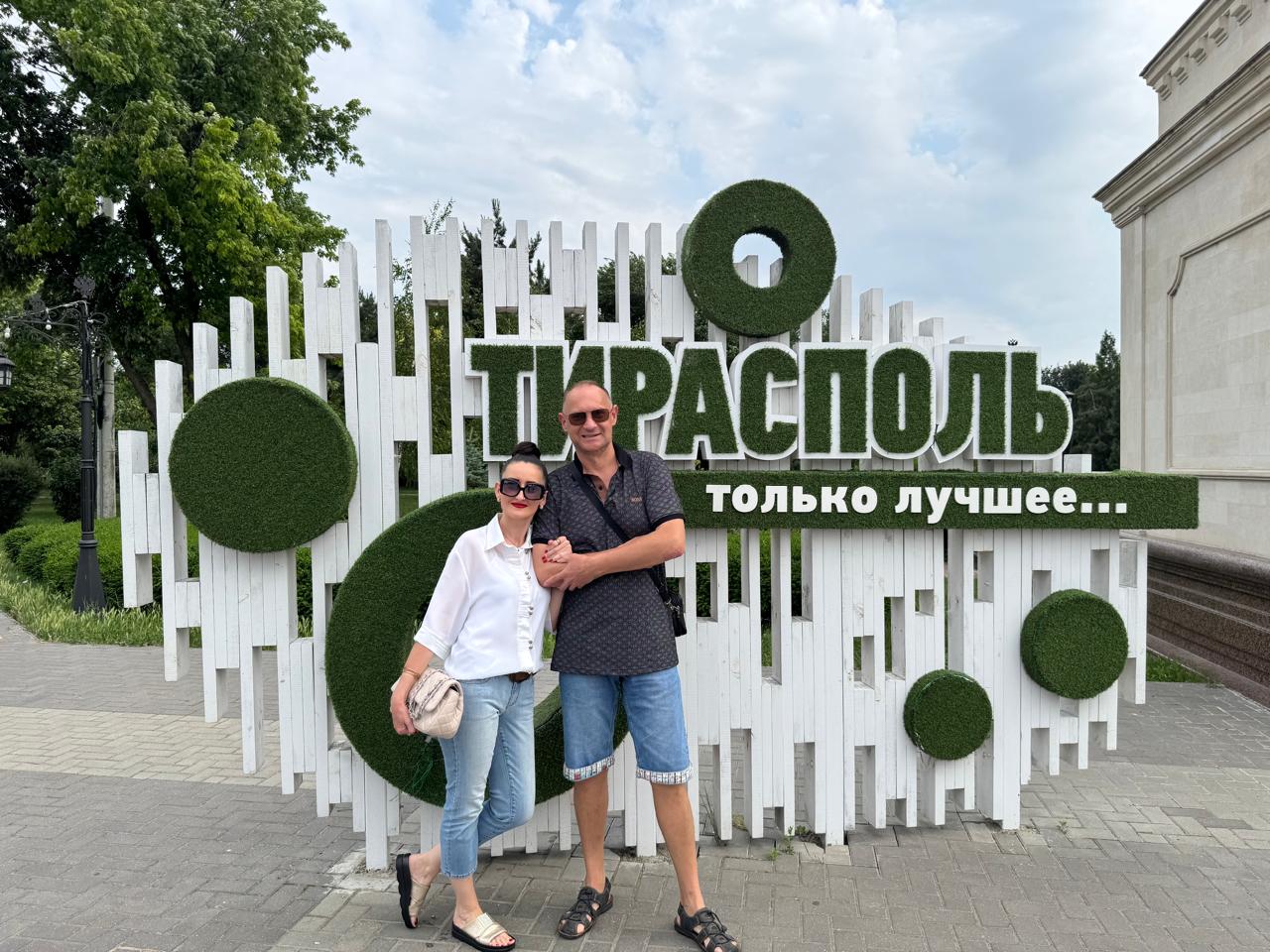
What Exactly Is Transnistria (Pridnestrovie)?
First, the name. “Transnistria” is the name used internationally, derived from the Dniester River (Nistru in Romanian). But locals don’t use this term. The official name is the Pridnestrovian Moldavian Republic — or simply Pridnestrovie .
Why does this matter? Because using the local name shows respect. The term “Transnistria” is associated with the Romanian occupation during World War II, and many locals prefer “Pridnestrovie” . When you visit, using the official name will be appreciated.
The basics:
-
Declared independence: 1990, from Moldova
-
Recognized by: Almost no one. Only Abkhazia and South Ossetia recognize it
-
Population: Approximately 475,000
-
Area: 4,163 square kilometers
-
Capital: Tiraspol
-
Languages: Russian, Romanian, Ukrainian
-
Currency: Transnistrian ruble
-
Government: Presidential republic with its own parliament, military, and police
The region declared independence in 1990, sparking a brief but bloody war in 1992. A ceasefire left it under de facto self-rule, backed by Russian troops who remain stationed there today .
Is It Safe to Visit Transnistria?
This is the question everyone asks. The short answer: Yes, for tourists on organized tours, Transnistria is generally safe.
Visitors often describe it as “the safest unrecognised country in the world” . The region is stable and peaceful. Crime against tourists is rare. Locals are proud, hospitable, and often amused by the sudden tourist interest .
However, there are important caveats:
What you should know:
-
Government travel advisories vary. Some countries (like Finland and Sweden) currently advise against non-essential travel to Transnistria due to the broader regional situation . Others take a more neutral stance.
-
The geopolitical situation is complex. The war in neighboring Ukraine has created uncertainty. Check your country’s current travel advice before planning .
-
Travel with a licensed guide. This is the single most important safety tip. A local guide ensures smooth border crossings, helps with any questions, and knows the current situation .
-
Avoid discussing politics. Locals have strong opinions, and it’s best to be respectful and neutral .
For a deeper dive into safety, read our detailed guide: Is It Safe to Visit Transnistria?
How to Get to Transnistria from Chisinau
There are no direct flights to Transnistria — because it officially doesn’t exist as a country . You’ll need to reach it from Chisinau, Moldova’s capital.
Option 1: Organized Tour (Recommended)
The easiest and most informative option. Tours include hotel pickup, transport, border assistance, and a guide. A standard day trip lasts 6-8 hours and covers Bender and Tiraspol .
Option 2: Marshrutka (Minibus)
From Chisinau’s Central Bus Station, minibuses run regularly to Tiraspol and Bender. The journey takes about 1.5-2 hours . Cost is minimal (a few dollars).
Option 3: Train
A few trains connect Chisinau and Tiraspol, offering a nostalgic ride. However, schedules are limited .
Border Crossing: What to Expect
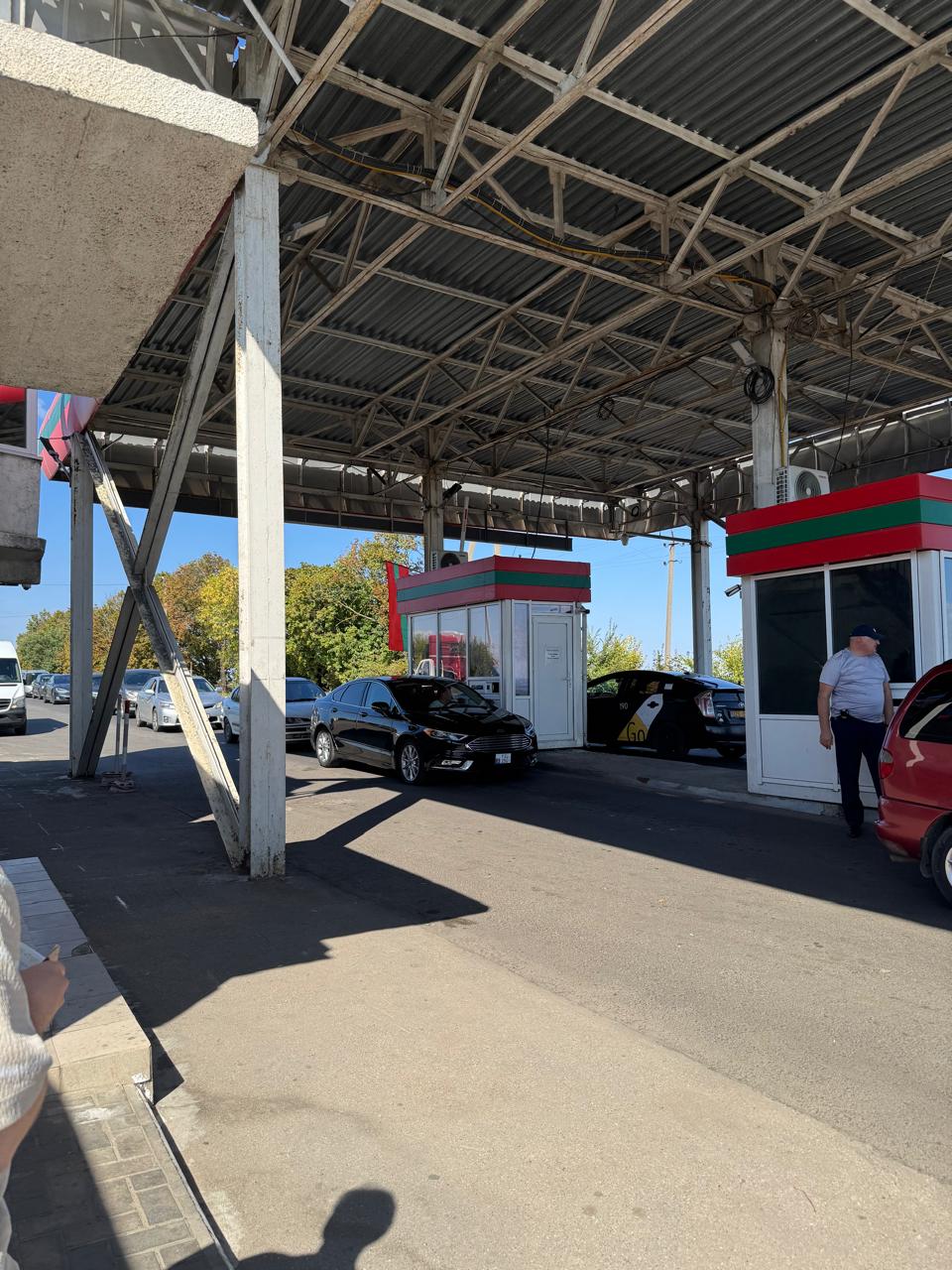
When entering Transnistria, you’ll pass through a checkpoint. You’ll receive a migration card (entry slip) instead of a passport stamp. Keep this card safe — you’ll need it when leaving .
What to See in Tiraspol (Top 10 Attractions)
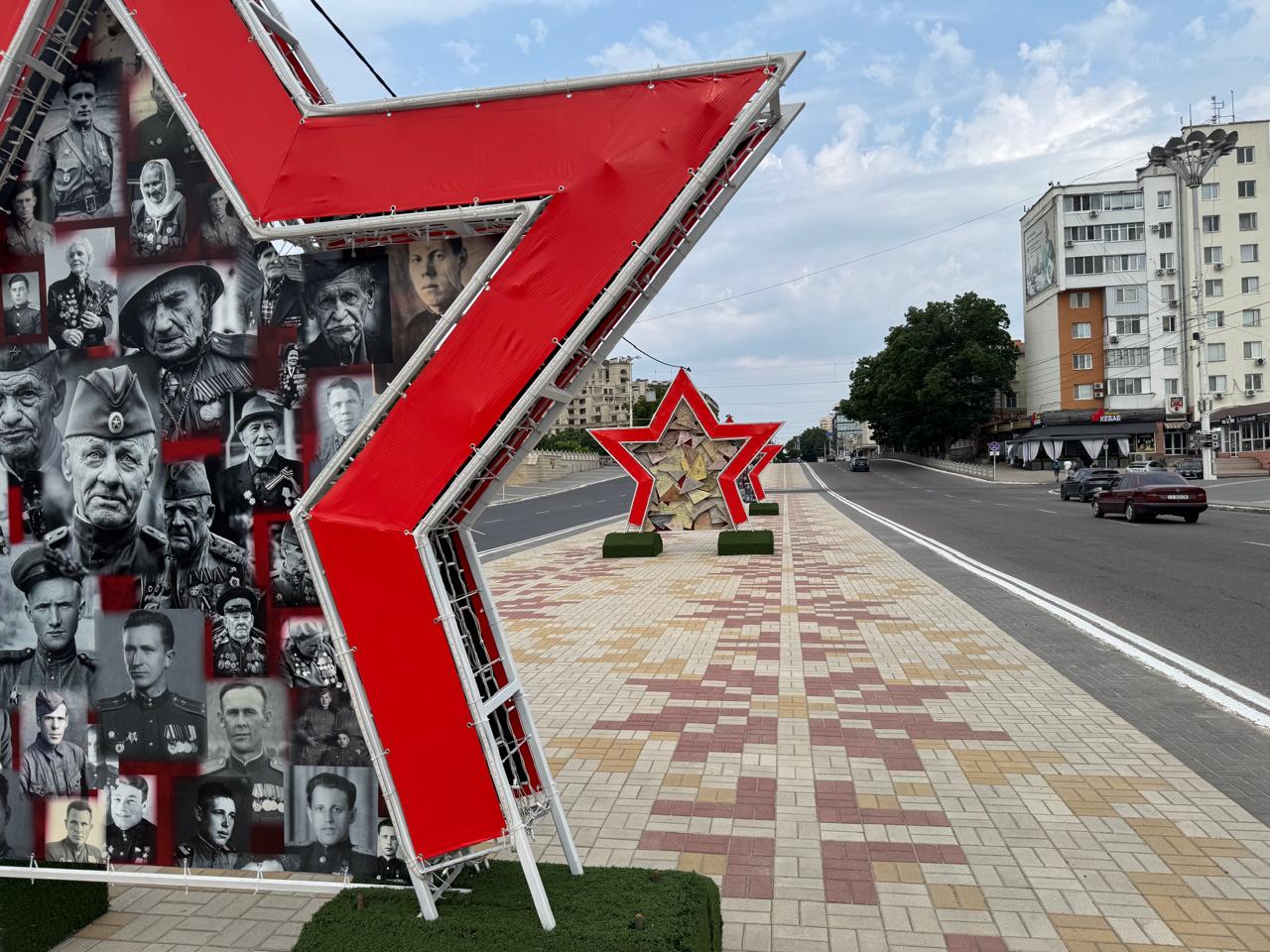
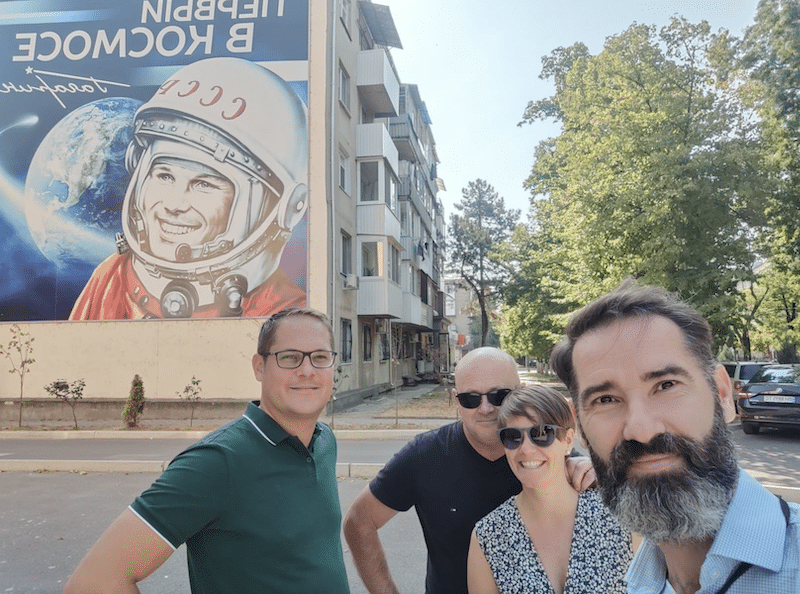
Tiraspol is the capital and largest city of Transnistria. Walking through its streets feels like time travel. Wide boulevards, Soviet-era architecture, and monuments to a bygone era are everywhere .
1. Lenin Monument
The towering statue of Vladimir Lenin in front of the Government House is the iconic symbol of Tiraspol. It’s one of the last places in Europe where Lenin still stands proudly .
2. House of Soviets
A prime example of Stalinist Empire architecture. This government building is a monument to Soviet power and remains in active use .
Read our detailed article: The House of Soviets in Tiraspol: A Stalinist Monument at the Edge of Empire
3. Suvorov Square
The central hub of Tiraspol, featuring an equestrian statue of Field Marshal Alexander Suvorov, the city’s founder. The square is spacious and a gathering place for locals .
4. The T-34 Tank Memorial
A relic from World War II, this tank symbolizes Transnistria’s military history and commemorates victory in the Great Patriotic War .
5. Afghanistan War Memorial
A poignant tribute to soldiers who served in the Soviet-Afghan War .
6. Tiraspol Central Market (Green Market)
For a taste of local life, visit the Central Market. Fresh produce, homemade wine, smoked cheese, and friendly vendors make this a highlight .
7. Kvint Cognac Distillery
Transnistria’s most famous export. Kvint brandies are world-renowned. You can visit the distillery, taste the products, and purchase at factory prices .
8. Church of the Nativity
A beautiful Orthodox cathedral in the heart of the city .
9. Dniester River Embankment
A relaxing riverside path, perfect for a stroll. The river gives both Tiraspol and the region their names .
10. Back in the USSR Restaurant
For a truly immersive Soviet experience, dine at this themed restaurant. Authentic Soviet-era dishes served in a nostalgic setting.
Read our review: Back in the USSR Restaurant in Tiraspol
For the complete list, read: Top 10 Attractions to Visit in Tiraspol
Bender: The Other Essential Stop
Most Transnistria tours include Bender (Tighina), the second-largest city in the region.
Bender Fortress
This 16th-century Ottoman fortification is one of the region’s most important medieval landmarks. Originally built by Stephen the Great and later reinforced under Ottoman rule, it has a turbulent history spanning Moldovan, Ottoman, and Russian control .
Highlights:
-
Walk the stone ramparts for views of the Dniester
-
Explore the Citadel and historical museums
-
Learn about Turkish Janissaries and Russian-Swedish influences
-
Visit the small Torture Museum
Read our full guide: The Bastion on the Dniester: Unveiling the History and Allure of Bender Fortress
Memorial to the Defenders of Bender
A poignant memorial dedicated to those who fought in the 1992 conflict. It offers vital context for understanding the region’s modern identity .
Where to Eat: A Taste of the USSR
Transnistrian cuisine blends Moldovan, Ukrainian, and Russian influences .
Must-try dishes:
-
Borscht: Beet soup that warms the soul
-
Solyanka: A hearty, sour soup
-
Mămăligă: Cornmeal porridge served with cheese, sour cream, or meat
-
Sarmale: Cabbage rolls stuffed with pork or beef and rice
-
Cutlets with buckwheat or mashed potatoes
Soviet-style dining:
For an authentic experience, eat at a stolovaya (Soviet canteen). Dishes are prepared according to authentic recipes, and the atmosphere is nostalgic .
Kvint Brandy: Wash it all down with a glass of Kvint, Transnistria’s proudest export .
Practical Information: What You Need to Know
Passport & Entry
-
Valid passport required. No visa is needed
-
You’ll receive a migration card at the border. Keep it safe for exit
-
Traveling with children? Same documents as adults, plus notarized parental consent if traveling with a third party
Money & Payments
This is critical. Credit and debit cards do not work in Transnistria. Visa and Mastercard are not accepted. There are no international ATMs .
What to do:
-
Bring cash in Moldovan Lei or Euros
-
Exchange money into Transnistrian rubles inside the region
-
Leftover rubles cannot be exchanged outside Transnistria
Driving
If you’re driving into Transnistria, you’ll need to pay a vignette fee. The cost varies by duration: 7 days is $5, up to 365 days is $80. Keep the payment confirmation until you leave .
Mobile & Internet
Mobile signal is limited. In some areas, particularly the Stone Age complex at Branesti, there’s no internet or phone signal at all . Enjoy the digital detox.
Transnistria Tours: What to Expect
If you’re booking a guided tour (recommended), here’s what a typical day looks like:
Morning:
-
Hotel pickup in Chisinau
-
Drive to the border (~1.5-2 hours)
-
Cross into Transnistria
-
Visit Bender Fortress
Midday:
-
Continue to Tiraspol
-
Walking tour of main attractions
-
Lunch at a local restaurant or Soviet-style canteen
Afternoon:
-
Explore Tiraspol’s landmarks
-
Visit Kvint distillery or local markets
-
Return to Chisinau
Duration: Typically 6-8 hours
What’s included: Hotel pickup, transport, English-speaking guide, entrance fees
Not included: Lunch, personal purchases, souvenirs
Book your tour: Transnistria Private Tours
The History: Why Transnistria Exists
To understand Transnistria, you need to rewind to the early 1990s. When Moldova gained independence after the fall of the Soviet Union, tensions flared between its Romanian-speaking majority and the Russian-speaking population in Transnistria. The result was a short but bloody war in 1992 .
A ceasefire left the region under de facto self-rule, backed by Russian troops who remain stationed there today. Since then, Transnistria has functioned independently, with its own president, military, police, and central bank — though the world still recognizes it as part of Moldova .
Read the full story: The Last Bastion of the USSR: The Unrecognized Pridnestrovian Moldavian Republic
Why Travelers Are Falling for Transnistria
In recent years, Transnistria’s tourist footfall has doubled. A 2020 report estimated around 20,000 visitors annually, mostly as day trips from Moldova .
Why the growing appeal?
-
The thrill of visiting a place that “doesn’t exist”
-
The surreal experience of walking through a living Soviet museum
-
The warmth and hospitality of locals
-
The unique blend of Soviet nostalgia and small-town calm
-
The affordable prices
As one traveler put it: “It’s like going back to the past” .
Frequently Asked Questions
Do I need a visa for Transnistria?
No. A valid passport is sufficient. You’ll receive a migration card at the border .
Is Transnistria safe for tourists?
For organized tours, yes. The region is stable and peaceful. Travel with a guide and check your government’s current advice .
Can I use credit cards in Transnistria?
No. Cards don’t work. Bring cash (Moldovan Lei or Euros) and exchange to local rubles .
What is the official name?
The Pridnestrovian Moldavian Republic (PMR). Locals prefer “Pridnestrovie” over “Transnistria” .
How long does a Transnistria tour take?
Typically 6-8 hours from Chisinau, including Bender and Tiraspol .
Can I visit independently?
Yes, but it’s not recommended for first-time visitors. A guided tour ensures smooth border crossing and provides context .
What should I wear?
Comfortable walking shoes. Dress is casual. Bring a light jacket depending on season.
Is photography allowed?
In most public areas, yes. However, photography is restricted in certain areas — follow your guide’s instructions .
Ready to Visit Transnistria?
Transnistria is one of the most unique travel experiences in Europe — a place where the Soviet Union never ended, where Lenin still stands, and where you can step back in time.
We run guided Transnistria tours from Chisinau with hotel pickup, English-speaking guides, and border assistance. We also offer private tours for travelers who want a customized experience.
Browse Transnistria Private Tours
Contact us to plan your trip
Are you ready to book your Transnistria tour ?