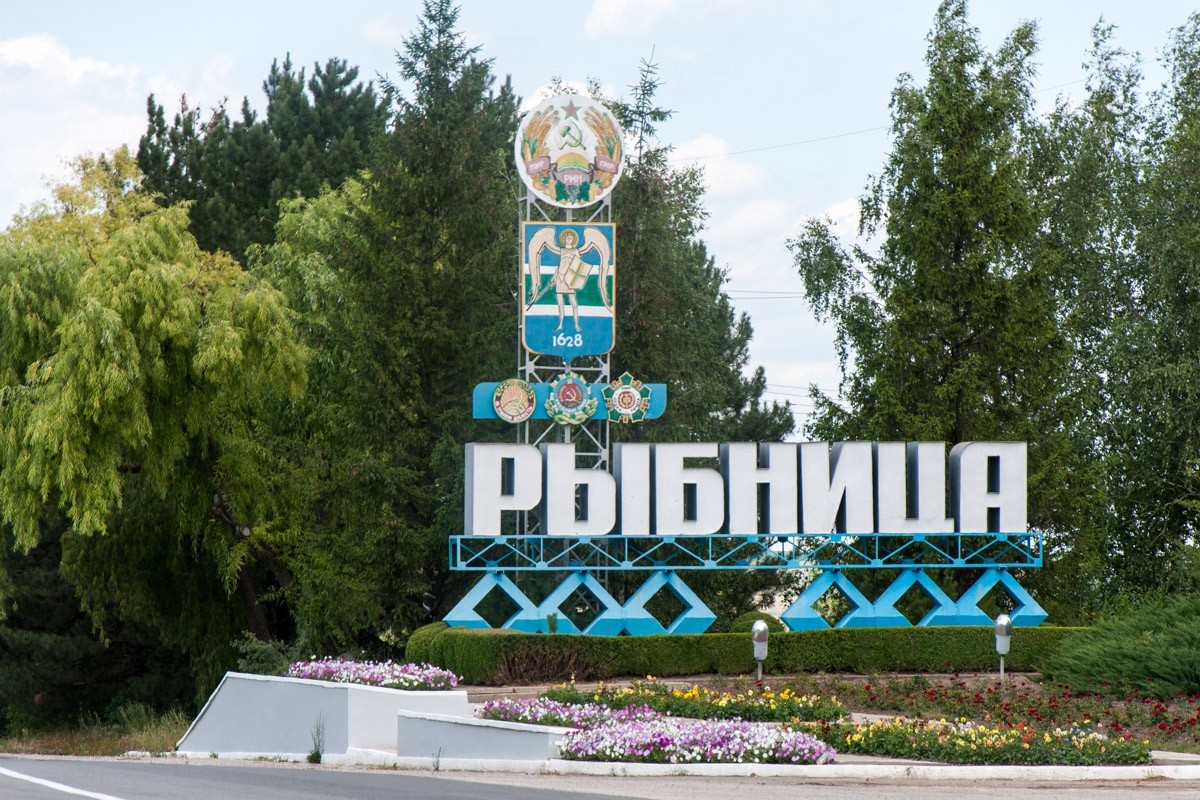
Ribnita (often written Rîbnița) is a city that feels suspended in time, a place where the Soviet Union never quite ended. Located on the eastern bank of the Dniester River in the breakaway region of Transnistria, it is the second-largest city in the unrecognized republic, yet it remains largely off the radar for typical tourists visiting Moldova. For travelers willing to venture beyond the capital, Ribnita offers a stark, unfiltered look at Soviet industrial ambition, the complexities of post-Soviet identity, and a way of life that has largely vanished elsewhere in Eastern Europe.
This guide will walk you through what makes Ribnita significant, its deep Soviet roots, and exactly how to get there from Chisinau, including the option of a guided tour.
The Soviet History of Ribnita
To understand Ribnita, you must understand its geography. While the city itself is ancient—first mentioned in documents in the 17th century when it was part of the Polish-Lithuanian Commonwealth—its modern identity was forged entirely by Soviet planning . Unlike much of the rest of Moldova (which was part of Romania between the wars), the left bank of the Dniester, including Ribnita, was incorporated into the Soviet Union as part of the Ukrainian SSR and later the Moldavian ASSR .
This distinction is crucial. When the Moldavian Soviet Socialist Republic was formed after World War II, Ribnita was already an established industrial outpost. The Soviet authorities doubled down on this, turning the city into a powerhouse for the western Soviet Union. The crown jewel was the Ribnita Steel Works (Moldavian Metallurgical Plant), constructed in the 1980s. This massive facility became the economic engine of the region, producing steel plates from scrap metal and, at its peak, generating a staggering 40% to 50% of Transnistria’s GDP . Walking through the city today, the legacy of this industrial focus is palpable; it is a city built for workers, with wide avenues, utilitarian apartment blocks, and a central layout designed around the factory gates.
The Soviet era also left a complex cultural mark. Prior to the Holocaust, Ribnita had a significant Jewish population (nearly 38% in the 1920s) . During the Romanian occupation in World War II, a ghetto was established, and the community suffered tremendously. Later, the Soviet authorities engaged in their own campaigns against religion. A striking example is the city’s Catholic Church, which was built in the early 19th century. In 1936, Soviet authorities removed the cross and hoisted the red flag over it, converting the building into a carpentry workshop and the parish house into a military commissariat . The church has since been rebuilt, standing side-by-side with an Orthodox church, a testament to the layered history of persecution and revival in the region.
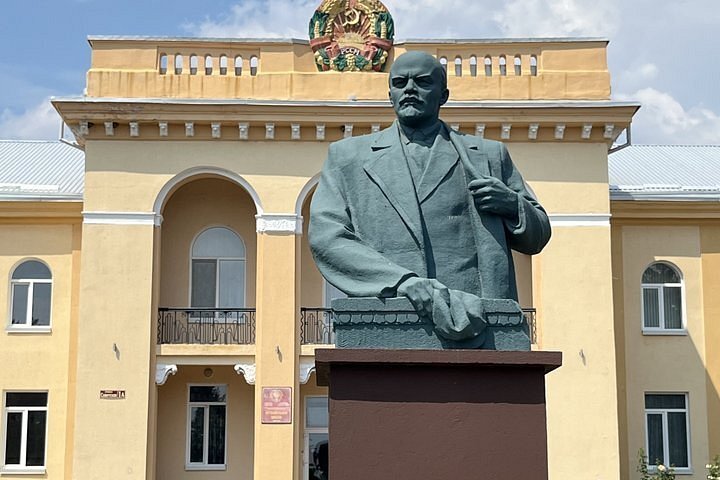
Today, Ribnita remains a stronghold of “Red” nostalgia. It is a place where Lenin statues still stand proudly, where the local currency (the Transnistrian Ruble) features Soviet-era imagery, and where the memory of the Great Patriotic War (WWII) is meticulously preserved. For the visitor, it is not just a city; it is a living museum of late Soviet modernity.
Getting There: From Chisinau to Ribnita
Traveling from the Moldovan capital, Chisinau, to Ribnita is an adventure in itself. The distance is roughly 104 kilometers by road, but the journey involves crossing into a de facto independent state, which means you will pass through a checkpoint (though for most nationalities, this is a straightforward process) .
There is no direct, comfortable train service connecting the two cities for tourists. Therefore, you have three primary options: driving yourself, using a combination of bus and taxi, or booking a guided tour.
Option 1: The Guided Tour (The Most Convenient and Informative)
If your primary goal is to understand the Soviet history, the context of the Transnistrian conflict, and to see the sites without worrying about logistics, a guided tour of Ribnita is the best choice. While most tours are based in Tiraspol, several operators from Chisinau offer comprehensive day trips that include a stop in Ribnita.
How it works:
You will be picked up from your hotel in Chisinau in the morning (usually around 8:00 AM) in a comfortable car or minivan. Your guide will handle the border formalities at the Transnistrian checkpoint, which typically takes only a few minutes . The drive to Ribnita takes about 1.5 to 2 hours.
What you will see:
A typical tour focused on the Soviet legacy will take you through the main sights of Transnistria. While many tours focus heavily on Tiraspol (the capital) and Bender (the fortress), specialized tours can be tailored to include Ribnita. In Ribnita, you would visit:
-
The Steel Works: While you likely cannot enter the factory, you can view the massive industrial complex from the outside, which provides context for the city’s existence.
-
The Memorials: Tours often include the WWII memorials and the central squares where Soviet-era monuments remain intact.
-
The Monastery: The Ribnita Monastery is a point of interest often included in regional tours .
Pros and Cons:
-
Pros: You get expert commentary on the history and politics of the region, transportation is handled, and you don’t have to navigate the border or negotiate with local drivers. It is the most efficient way to see Ribnita as part of a broader Transnistrian context.
-
Cons: It is more expensive than public transport. You are on a schedule. Ensure you specifically ask the tour operator if Ribnita is a guaranteed stop, as some tours may focus only on Tiraspol and Bender.
Cost: Prices vary, but expect to pay upwards of $80–$150 per person depending on the group size and inclusions .
Option 2: The Independent Route (Bus + Taxi)
If you are a budget traveler or prefer the freedom of independent exploration, this is the most common route. Note that there is no direct bus from Chisinau to Ribnita . You must break the journey.
Step 1: Chisinau to Orhei
-
Departure: Head to the Chisinau Central Bus Station (Autogara Centrală) or the North Bus Station (Autogara Nord).
-
The Ride: Take a bus or rutiera (minibus) to the city of Orhei. These run very frequently (every 15–20 minutes from the North Station) and take about 45 minutes to 1 hour .
-
Cost: Around 30–45 MDL (roughly $2–$3).
Step 2: Orhei to Ribnita
-
The Transfer: Once in Orhei, you need to find a taxi or a private driver willing to take you the rest of the way to Ribnita. This is the tricky part. You are essentially hiring a car for a cross-border (de facto) trip.
-
The Ride: The drive from Orhei to Ribnita takes about 1 hour to 1 hour 15 minutes.
-
Cost: Expect to negotiate. A taxi for this leg will likely cost between $30 and $50 (or the equivalent in MDL/Transnistrian Rubles) . You can try to find other travelers to share the cost, but on a random weekday, you might be on your own.
Book a private tour to Ribnita today
Step 3: Crossing the Border
When you reach the Transnistrian checkpoint, you will need to show your passport. You will receive a migration card (which you must keep safe, as you need it to exit). The process is usually quick, but it is a border control, so be patient.
Pros and Cons:
-
Pros: Cheaper than a private tour (if you are solo, the bus+taxi combo might cost $40–$60 total). You have total freedom to stop where you want in Ribnita.
-
Cons: It requires more effort and negotiation. You are at the mercy of the taxi driver’s willingness to drive to Transnistria. Finding a driver in Orhei might be difficult if you don’t speak Russian or Romanian.
Option 3: Driving Yourself (Rental Car)
Renting a car in Chisinau and driving to Ribnita is the most flexible option for independent travelers.
The Route:
-
The drive is straightforward. Take the M2 or M21 road towards Orhei, then follow the signs towards Rezina and Ribnita.
-
The road quality is generally decent, though some sections may have potholes.
-
The journey takes about 1 hour and 30 minutes from Chisinau .
At the Border:
You will drive up to the checkpoint. You will need to show your passport, vehicle registration, and rental agreement. You will be issued a migration card for the vehicle and passengers. It is generally a smooth process for tourists, but be prepared for a short wait.
Pros and Cons:
-
Pros: Ultimate freedom. You can stop at viewpoints along the Dniester River, explore Ribnita at your own pace, and even visit the nearby village of Rashkov if you have time.
-
Cons: You must be comfortable driving in Eastern Europe. You need to ensure your rental car insurance covers travel to Transnistria (many standard policies do not; check with the rental company explicitly). You are responsible for any issues at the border.
Cost: A rental car for a day might cost $30–$50, plus fuel (the round trip is about 200 km, so roughly $15–$20 in fuel). Total cost is comparable to a bus+taxi but with much more freedom.
What to See and Do in Ribnita
Once you arrive, Ribnita is a walkable city, but the sights are spread out. Here is what to look for:
-
The Central Square (Victory Square): This is the administrative heart of the city. You will find the House of Soviets (the local government building) and the inevitable Lenin statue. It is a great place to people-watch and get a feel for the daily life of the city.
-
The Steel Works (Moldavian Metallurgical Plant): While you cannot tour the inside, driving or walking past the perimeter gives you a sense of the scale of this industrial behemoth. It is the reason Ribnita exists in its current form.
-
The Churches: Visit the area where the Catholic and Orthodox churches stand side-by-side. The Catholic church (St. Joseph) has a turbulent history of Soviet repression, which is detailed in local historical records .
-
The Riverfront: Ribnita sits on the Dniester River. There is a popular park near the town reservoir, which offers a peaceful contrast to the industrial city center . It is a good spot for a walk or a picnic if the weather is nice.
-
The Market: For a truly local experience, visit the city market. You will see locals selling produce, clothes, and household goods. It is also a good place to exchange money if you need Transnistrian Rubles (though many places in Ribnita may accept Moldovan Lei or cards, it is safer to have some local cash).
Practical Tips for Visiting Ribnita
-
Currency: Transnistria uses the Transnistrian Ruble, which is not recognized internationally. You cannot get it outside of Transnistria. There are exchange offices in Ribnita, but they may only accept cash (EUR, USD, or MDL). Credit cards are accepted in some larger stores, but carry cash for safety .
-
Language: The official languages are Russian, Ukrainian, and Moldovan (Romanian), but Russian is the lingua franca. English is not widely spoken, so having a translation app or a basic phrasebook is helpful.
-
Safety: Despite the “frozen conflict” status, Transnistria is generally very safe for tourists. The streets are calm, and crime rates are low. The main thing to be aware of is the political situation; it is best to avoid discussing sensitive political topics with locals unless they bring it up first.
-
Border Rules: Always carry your passport. You will receive a migration card upon entry; do not lose it. If you are a Ukrainian passport holder, be aware that there may be specific restrictions on crossing the border from the Moldovan side into Transnistria .
Conclusion
Ribnita is not a destination for everyone. It lacks the polished charm of Chisinau or the wine cellars of Cricova. However, for those fascinated by the 20th century, by the rise and fall of industry, and by the quirks of unrecognized states, it is a compelling place. It is a city where the ghost of the Soviet Union still walks the streets, where the smokestacks of the steel plant dominate the skyline, and where history is not just written in books, but lived in the everyday reality of its residents.
Whether you choose the convenience of a guided tour or the adventure of public transport and taxis, the journey from Chisinau to Ribnita is a short trip that feels like a journey to another time.

For all your Soviet tours in Moldova contact us today