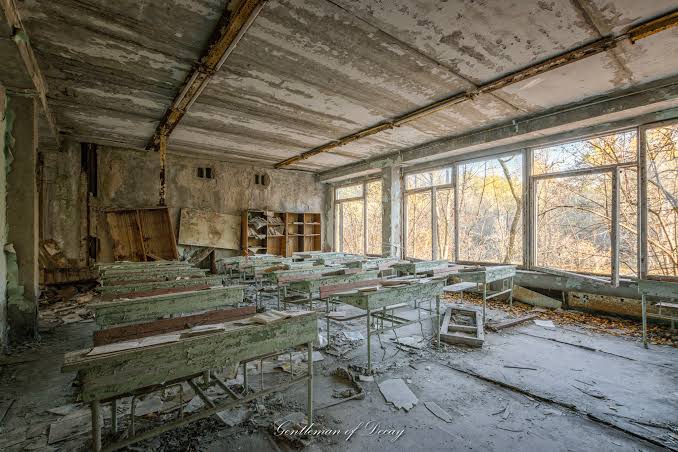
The abandoned school near Tiraspol is a time capsule of the Soviet era, preserved not by design but by neglect and a dedicated caretaker. It is not a site of official historical memory, but a commercial attraction for curious travelers seeking a visceral, tactile encounter with the defunct USSR. The building, left largely untouched since the early 1990s, is managed by a local caretaker who charges a modest fee to guide small groups through its decaying classrooms, making it a popular, if unconventional, stop on tours of the breakaway region.
The History: A Victim of Conflict and Neglect
The story of this school is inextricably linked to the collapse of the Soviet Union and the subsequent Transnistrian War. Following the fall of the USSR, a brief but bitter conflict erupted in 1992 between the newly independent Republic of Moldova and the separatist Transnistrian region, which sought to remain aligned with Moscow. The war resulted in a ceasefire and the creation of a de facto independent state that remains unrecognized by the international community.
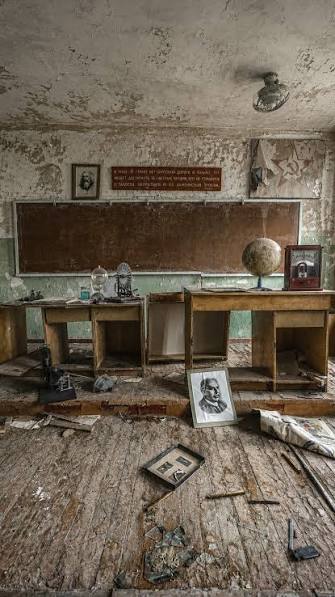
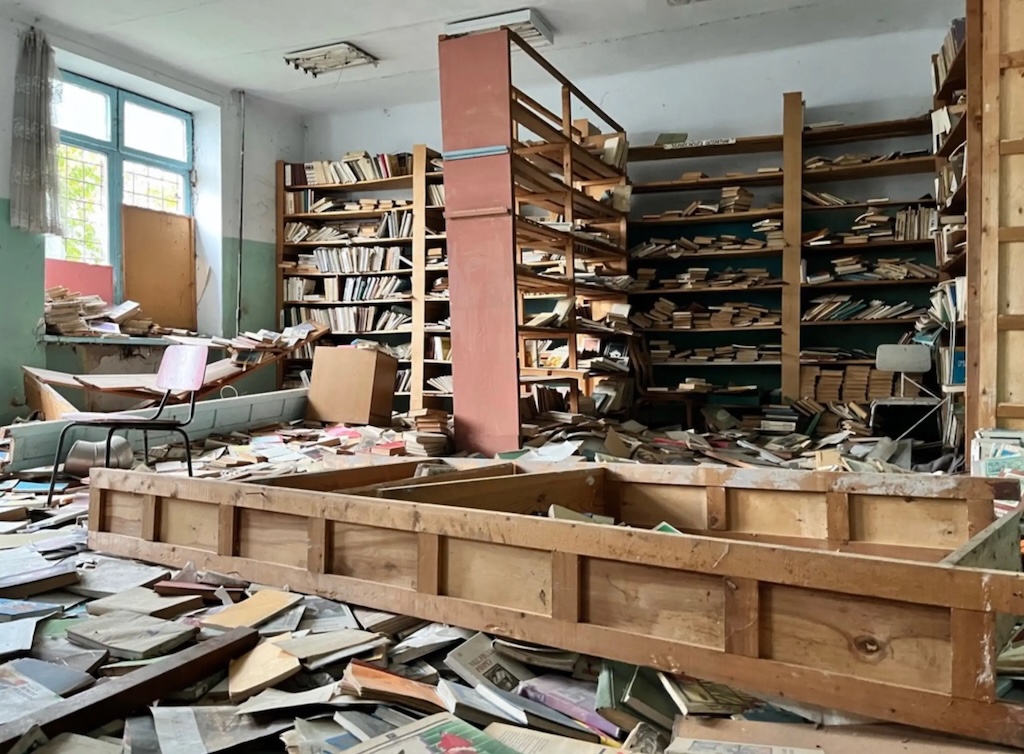
According to accounts from visitors, the school was abandoned in 1995, just a few years after the war ended . The reasons were practical: a lack of students and funding in the economically devastated and politically isolated region . Unlike many abandoned sites that are stripped bare, this school seems to have been left in a hurry. Visitors describe finding educational materials still in place, including dedicated rooms for chemistry, physics, and biology, as well as a doctor’s office .
The building itself bears physical witness to the turmoil of the early 1990s. Travelers have reported seeing bullet holes in the windows and walls, a stark reminder of the violence that once swept through the area . More poignantly, the walls still hold relics of Soviet civil defense education, such as posters instructing children on what to do in the event of a nuclear strike . These artifacts transform the building from a mere ruin into a historical document, illustrating daily life and fears during the Cold War and the chaotic transition that followed.
The Caretaker: The Guardian of the Past
Unlike many abandoned places that fall into total ruin or are managed by state authorities, this school has a guardian. The site is looked after by a local caretaker who has become an integral part of the experience for visitors . This individual acts not just as a watchman but as a living historian and guide.
Tour operators explicitly mention that the caretaker is the one who leads the visits . For a fee of €10 per person, the caretaker guides small groups through the building, classroom by classroom . He shares stories, anecdotes, and interesting facts about what school life was like during the Soviet era, helping visitors understand the USSR’s education system and the everyday reality of the people who once walked those halls .
This arrangement serves a dual purpose. It provides the caretaker with a small income and gives the site a purpose as a minor tourist attraction, which in turn may justify its basic upkeep. It also ensures that the history of the place is transmitted orally, adding a personal and human dimension that a simple informational plaque could never provide. The caretaker’s role is thus central to the site’s current identity: he is the bridge between the abandoned past and the curious present.

Book a Soviet history tour in Moldova
Why It Is Popular with Tourists
The school’s popularity stems from the broader phenomenon of “dark tourism” and the specific allure of Transnistria as a “living museum” of the Soviet Union. For many travelers, particularly those from Western Europe (Italian tourists are specifically noted as being fond of the site ), Transnistria feels like a time warp. The capital, Tiraspol, with its giant Lenin statues, Soviet-era slogans, and war memorials, offers a tangible “back to the USSR” experience .
The abandoned school fits perfectly into this niche. It is not a sanitized museum exhibit; it is an authentic, decaying space where visitors can physically touch the past. The appeal is multifaceted:
-
Authenticity and Atmosphere: The school offers a raw, unfiltered look at a bygone era. The presence of original textbooks, scientific equipment, and Cold War propaganda posters creates an immersive, slightly eerie atmosphere that is highly appealing to adventurous travelers .
-
Historical Narrative: For history enthusiasts, the site tells a complex story. It is a physical intersection of Soviet ideology, the tragedy of the Transnistrian War, and the subsequent economic decline. The bullet holes and the nuclear strike posters are potent symbols of the 20th century’s conflicts .
-
The Guided Experience: The caretaker’s involvement elevates the visit from simple urban exploration to an educational and personal encounter. His stories about Soviet education and daily life add context and humanity to the ruins .
-
Accessibility and Exclusivity: It is accessible as part of organized tours from Chișinău, yet remains a “little-known site” visited only by small groups . This combination of ease of access (for those on a tour) and a sense of discovery is appealing.
The visit is typically offered as an alternative to other activities, such as touring a medieval fortress, allowing tourists to customize their itinerary based on their interests .
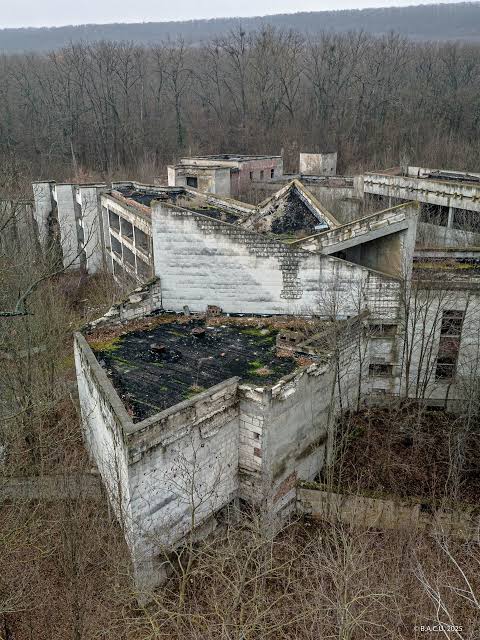
How to Get There
Reaching the abandoned school requires some planning, as it is not a standard tourist destination with public transport links. The most practical way to visit is by joining an organized tour.
1. Joining a Guided Tour (Recommended)
The easiest and most common method is to book a day tour to Transnistria from Chișinău, Moldova, that includes Transnistria and the abandoned school.
-
Tour Details: Tours typically depart from Chișinău in the morning (around 8:30–9:00 a.m.) and include a guided visit to Tiraspol and Bender, with the school as an optional add-on .
-
Cost: The tour price covers transportation and guiding, but the €10 fee for the school caretaker is usually paid separately in cash on-site .
-
Language: Some tours, notably those catering to Italian tourists, are conducted in Italian . It is advisable to check the language of the tour when booking.
-
Booking: These tours can be found on major travel platforms like GetYourGuide or through local tour operators in Chișinău .
2. Independent Travel (For the Adventurous)
While possible, independent travel requires more effort and flexibility.
-
From Chișinău to Tiraspol: You can take a marshrutka (minibus) from the Chișinău bus station to Tiraspol. The journey takes about 1.5 to 2 hours. Be prepared for a border check where Transnistrian authorities may issue a temporary entry slip.
-
From Tiraspol to the School: The school is described as being “a few kilometers from Tiraspol” . You would need to hire a taxi from Tiraspol to take you there and wait for you, as finding transport back can be difficult. You must know the location beforehand, as it is not a marked attraction.
-
Arranging the Visit: Upon arrival, you would need to find the caretaker to arrange a tour. Without a pre-arranged guide, this might be challenging, as the site is not staffed like a regular museum. It is highly recommended to go with a guide who knows the caretaker and the protocol.
Important Considerations:
-
Geopolitics: Transnistria is a breakaway region with a complex political status. Travel advisories from your home country should be checked before traveling.
-
Currency: The local currency is the Transnistrian ruble, which is not internationally traded. You will need to exchange cash (likely Moldovan lei or another hard currency) upon arrival. The €10 caretaker fee is a notable exception, suggesting euros are accepted for this specific transaction.
-
Respect: Remember that this is a site of personal and collective history. While it attracts curious tourists, it is important to treat the space and the caretaker with respect.

Book a back to the USSR tour Moldova today