Getting to Bender Castle from Chișinău: Every Option, and Why a Private Tour Wins
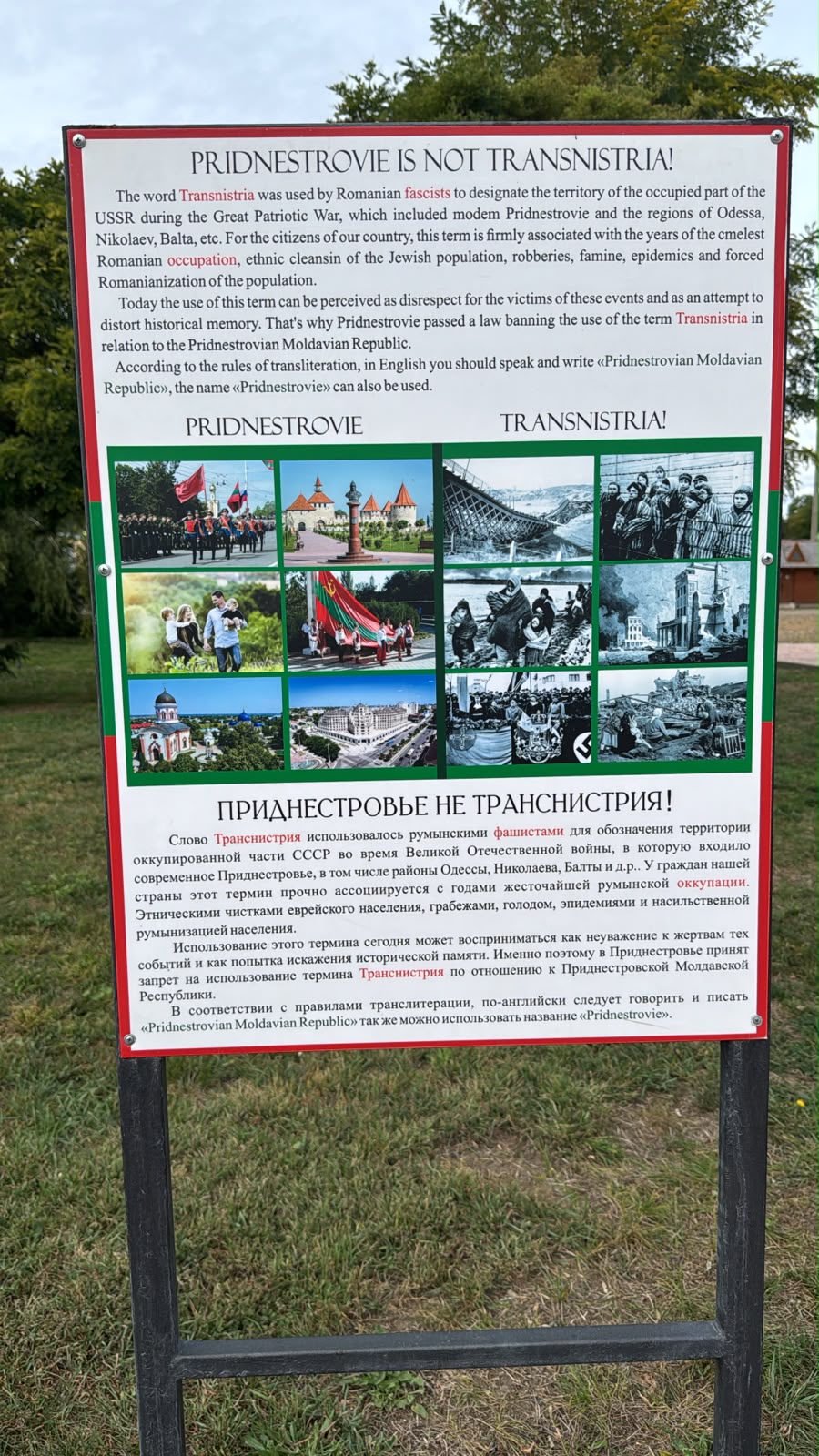
Reaching Bender Castle (more accurately, the Bender Fortress in the city of Tighina/Bender) from Chișinău is not complicated in terms of distance—the two cities lie roughly 60 kilometers apart. What makes the journey interesting is the destination itself. Bender sits inside Transnistria, a breakaway region that operates with its own borders, currency, and rules. That single fact transforms a simple commute into a logistics puzzle with real consequences for the unprepared traveler. Below is a breakdown of every viable way to get from Chișinău to Bender Fortress, followed by a detailed case for why a private guided tour is not just the easiest option, but often the smartest one.
Option One: The Train and Bus Combination (The Budget Backpacker Route)
The cheapest way to reach Bender from Chișinău relies on public transport, though it requires a transfer and a bit of patience.
According to travel planning resources, there is no direct train from Chișinău to Bender. The typical route involves taking a local train (line 9) from a station on București Street to the Southern Bus Station area, then walking to the Chișinău Southern Bus station to catch a bus onward to Bender . The train portion is short—roughly 17 minutes—and the bus ride takes about 57 minutes, though schedules can be limited, with some sources indicating the bus runs only once daily .
The total journey time is estimated at around two hours and fifteen minutes, and the cost is negligible—just a few dollars for the bus ticket and a nominal train fare . For travelers with more time than money, this is a legitimate option.
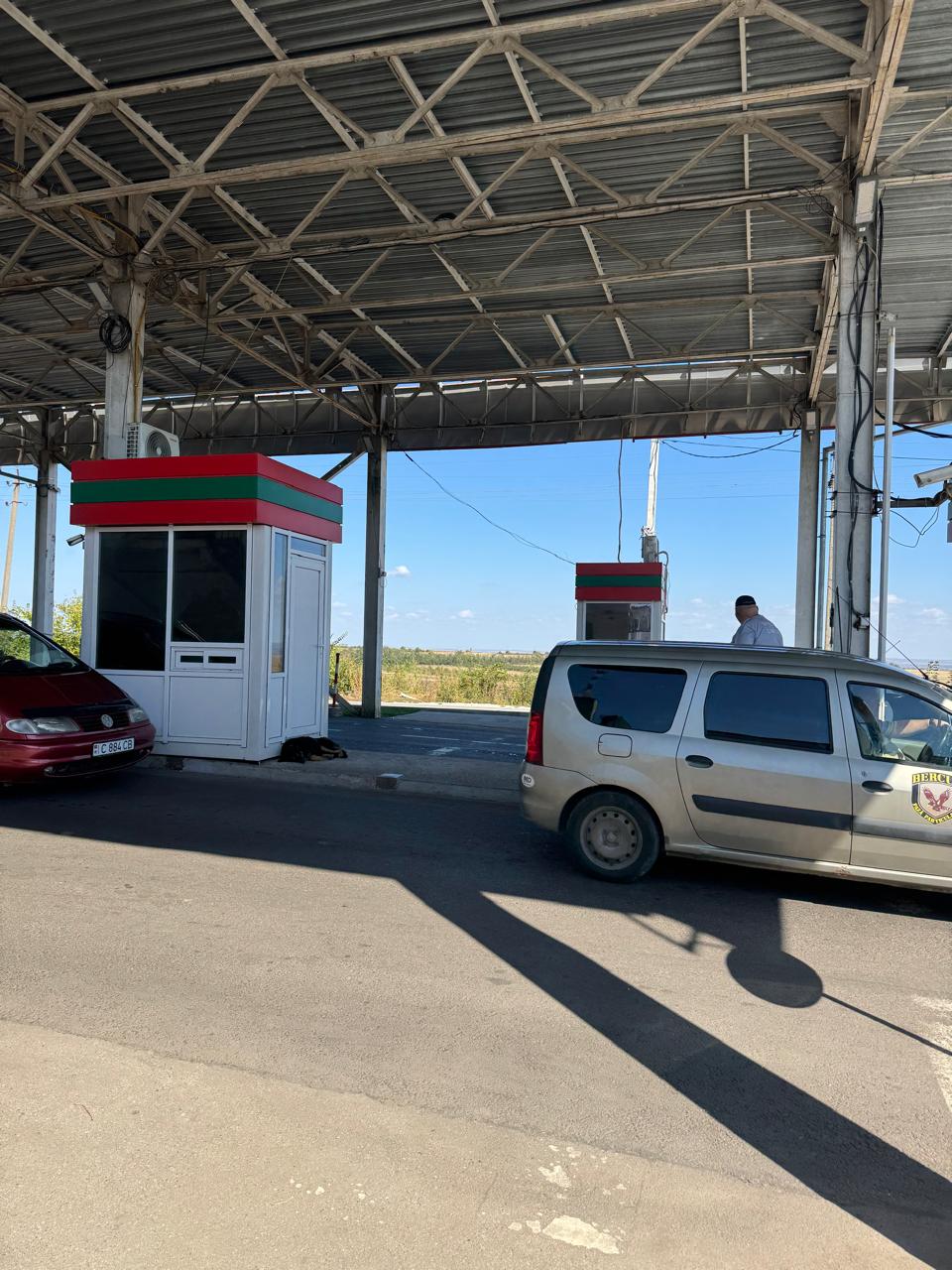
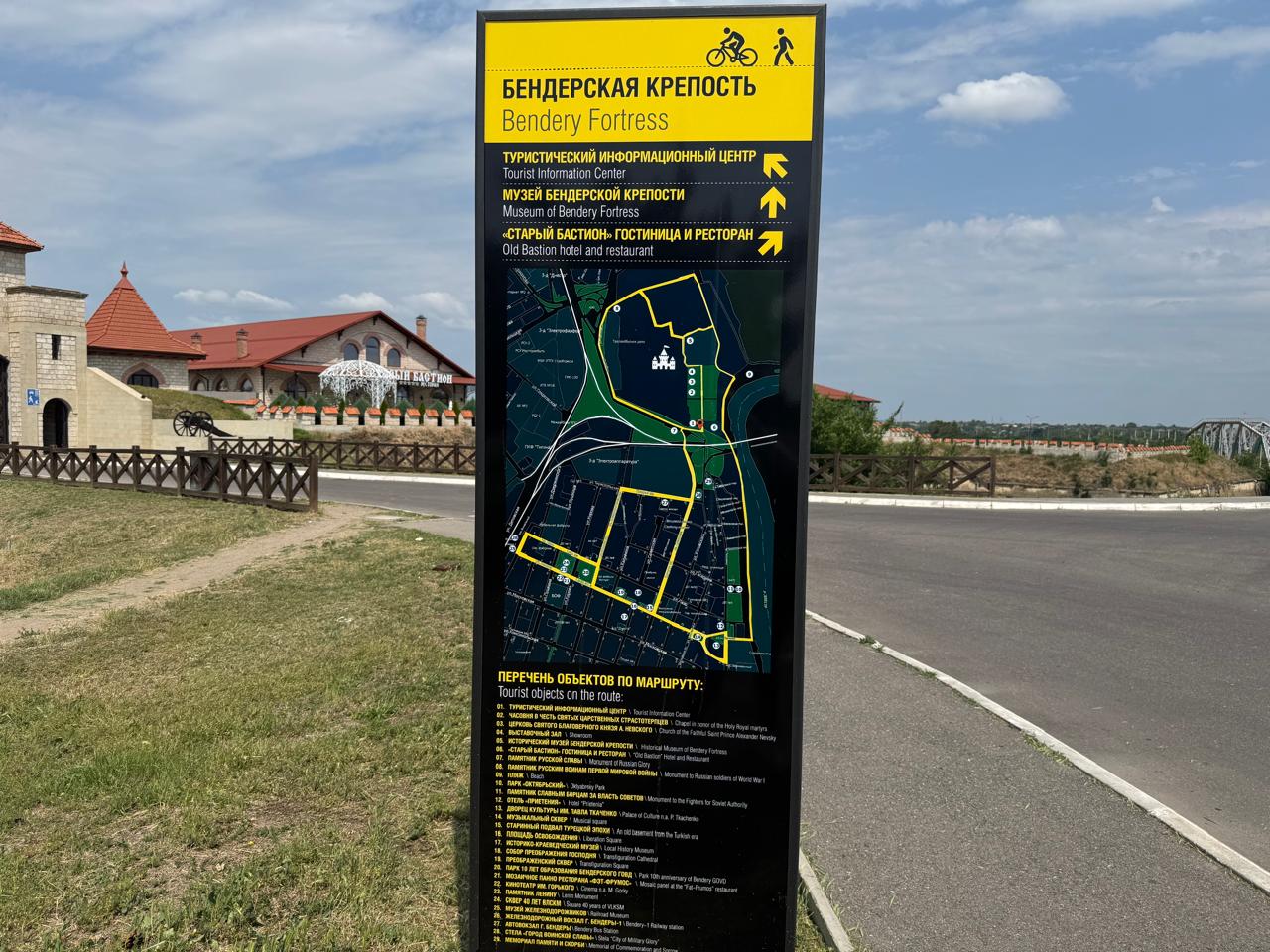
However, the experience comes with friction. You will need to navigate Moldovan bus stations without English signage, manage your own luggage, and time your arrival to match a bus schedule that may not be frequent. More importantly, once you arrive in Bender, you are on your own to find the fortress—which, while visible from parts of the city, is not always intuitively signposted for tourists. You will also need to handle the Transnistrian checkpoint on foot or with the bus, which can be intimidating if you do not know what to expect.
Book a tour to Transnistria
Option Two: Rideshare or Taxi (The DIY Direct Route)
For those who want directness without the structure of a tour, taking a taxi or rideshare from Chișinău to Bender is straightforward. The distance is about 52 to 62 kilometers depending on your starting point, and driving time is roughly one hour .
Taxi fares from Chișinău city center to Bender are estimated in the range of a few hundred Moldovan lei, though prices can vary significantly depending on the operator and your negotiation skills . If you are departing from Chișinău Airport, a taxi to Bender is quoted at around 54 minutes and a comparable fare . Rideshare services also operate the route, offering a middle ground between public transport and a traditional taxi .
The appeal here is obvious: door-to-door service, no transfers, and you control the schedule. But this option has a significant hidden cost. Your driver may not speak English. They will drop you at the fortress gates, but they will not explain the history you are about to walk through, nor will they help you navigate the Transnistrian entry formalities if you are unsure. You will also need to arrange your own return transport—and finding a taxi in Bender willing to take you back to Chișinău, especially if you do not speak Russian or Romanian, can be an adventure in itself. Furthermore, official travel advisories caution that unofficial taxis may overcharge or not meet safety standards, and recommend booking through hotels or using only official services .
Option Three: Driving Yourself (The Independent Explorer)
If you have your own vehicle or a rental car, driving to Bender is feasible. The route is drivable in about an hour, and having a car gives you maximum flexibility to explore the fortress and the surrounding region at your own pace .
However, driving into Transnistria introduces a layer of bureaucratic complexity that many travelers underestimate. You will need to carry your passport and vehicle documents, and you will encounter checkpoints that are not official international borders but are nonetheless staffed by Transnistrian authorities . You will be required to complete migration cards upon entry . Moldovan law requires an International Driving Permit for foreign drivers . And if your car has any issues, roadside assistance in Transnistria operates under different rules and currencies.
There is also the matter of what you do once you arrive. The fortress is a large site with historical layers spanning centuries, and without context, it reads as little more than old stone walls and towers. The stories of Stephen the Great, the Ottoman reinforcements, and the Soviet-era uses of the site are what bring it to life—and those stories are not readily available on site in English.
Option Four: The Group Tour (The Middle Ground)
Group tours from Chișinău to Transnistria, including Bender Fortress, are widely available and represent a popular compromise between independent travel and a fully private experience. These tours typically last a full day—seven to eight and a half hours—and include hotel pickup and drop-off in Chișinău, air-conditioned transport, an English-speaking guide, and visits to both Bender Fortress and the Transnistrian capital, Tiraspol .
Prices vary, but the value is clear: you get the logistics handled, the history explained, and the checkpoint navigation managed by someone who does it regularly. Group sizes can vary from small vans to larger groups, and the itinerary usually includes stops at Soviet monuments in Tiraspol, the Green Market, and sometimes an optional traditional lunch .
The limitation of a group tour is the lack of flexibility. You move at the group’s pace. If you want to spend an extra half hour photographing the fortress walls or linger over a particular historical detail, you may not be able to. The tour also combines Bender with Tiraspol, which means your time at the fortress itself is often limited to an hour or so . For travelers who want a deep dive into the fortress specifically, this can feel rushed.

Option Five: The Private Tour (The Tailored Experience)
A private tour is essentially the group tour model stripped of the group. You get the same hotel pickup, the same professional guide, and the same air-conditioned vehicle, but the itinerary bends to your interests. Private tours to Bender and Transnistria are readily bookable from Chișinău, with options ranging from a half-day focus on the fortress to a full-day exploration of the region .
The key distinction is control. On a private tour or the best tour to Transnistria, you can decide how long you want to spend at Bender Fortress. You can ask your guide to go deeper into the military history, or to explain the Ottoman and Russian layers of the site in more detail. You can skip Tiraspol entirely if the fortress is your priority, or add stops that interest you. The guide is there for you, not for a group of twenty strangers with competing interests.
Private tours also solve the practical problems that make independent travel to Transnistria stressful. Your guide handles the checkpoint conversation, explains the migration card process, and ensures you have the right documents. They know which currencies are accepted where (spoiler: credit cards do not work in Transnistria, and you will need cash) . They can help you exchange money, order lunch, and navigate the Soviet-era bureaucracy that still governs daily life in the region.
The cost is higher than a group tour, but when you factor in the value of your time, the depth of the experience, and the elimination of logistical risk, the gap narrows considerably.

Book the best Transnistria day tour from Chisinau today
Why a Private Tour Is a Particularly Good Idea Here
The case for a private tour to Bender Castle rests on three pillars: access, context, and risk management.
Access is the first issue. Transnistria is not a normal destination. It is an unrecognized breakaway republic with its own border controls, its own currency, and its own legal quirks. Travel advisories from multiple governments note that visitors must pass through checkpoints with “unpredictable requirements” and that local authorities may enforce laws arbitrarily . The U.S. State Department specifically advises travelers to Transnistria to “reconsider travel” due to the risk of armed conflict and the limited ability of foreign governments to provide emergency services in the region . This does not mean Transnistria is dangerous for tourists—many visitors report feeling perfectly safe, and tour operators describe the region as “very safe and interesting” . But it does mean that having a local guide who knows the procedures and the personalities at the checkpoints is a genuine asset. A private guide ensures you do not inadvertently break a rule (like photographing a military site or failing to carry your passport) that could turn a pleasant day trip into a detention .
Context is the second issue. Bender Fortress is a 15th-century stronghold built by Stephen the Great and later reinforced under Ottoman rule . It has witnessed centuries of conflict between empires, and its walls hold stories that span Moldovan, Ottoman, Russian, and Soviet history. Without a guide, you are looking at stone. With a good guide, you are walking through the layers of Eastern European history. Private tours allow you to ask questions, follow tangents, and shape the narrative to your interests. Group tours provide context too, but the private format makes the context personal.
Risk management is the third and perhaps most practical pillar. The logistics of independent travel to Transnistria are full of small traps. Credit and debit cards do not work in the region; there are no international ATMs; you must bring cash in Moldovan lei or euros and exchange it for Transnistrian rubles, which cannot be exchanged back outside the region . Your mobile phone may not work depending on your carrier. The migration card you receive at the checkpoint must be retained and presented upon departure . A private guide handles these details as a matter of routine, freeing you to actually enjoy the fortress rather than worry about whether you have the right currency for lunch.
There is also the simple matter of time. Bender Fortress is roughly an hour from Chișinău by car. On public transport, the journey stretches to over two hours with a transfer. A private tour turns that hour into part of the experience—your guide can brief you on the history of the region as you drive, point out landmarks along the way, and prepare you for what you will see. The return journey, similarly, becomes a debrief rather than a tired scramble for a bus.
For travelers who value depth over breadth, who want to understand what they are looking at rather than simply photograph it, and who prefer to spend their energy on curiosity rather than logistics, the private tour is the clear choice. It transforms a complicated border crossing into a seamless cultural excursion, and it turns Bender Fortress from a pile of historic stones into a story you will actually remember.
Book your Transnistria tour from Chisinau today