
My name is Andrey. I am fifty-three years old, and for all of those years, the Dniester River has been the constant soundtrack to my life. Its waters have flowed past my childhood, my youth, and now my middle age, carrying with them the echoes of a hundred different versions of the city I call home: Tiraspol. To a visitor, it might seem like a place frozen in time, a living museum of a bygone era. But to me, it is a living, breathing entity, a place of quiet pride, deep scars, and a stubborn, resilient soul. My story is not just my own; it is the story of this city, written in the language of memory.
Shadows of a Golden Childhood: The Soviet 1970s
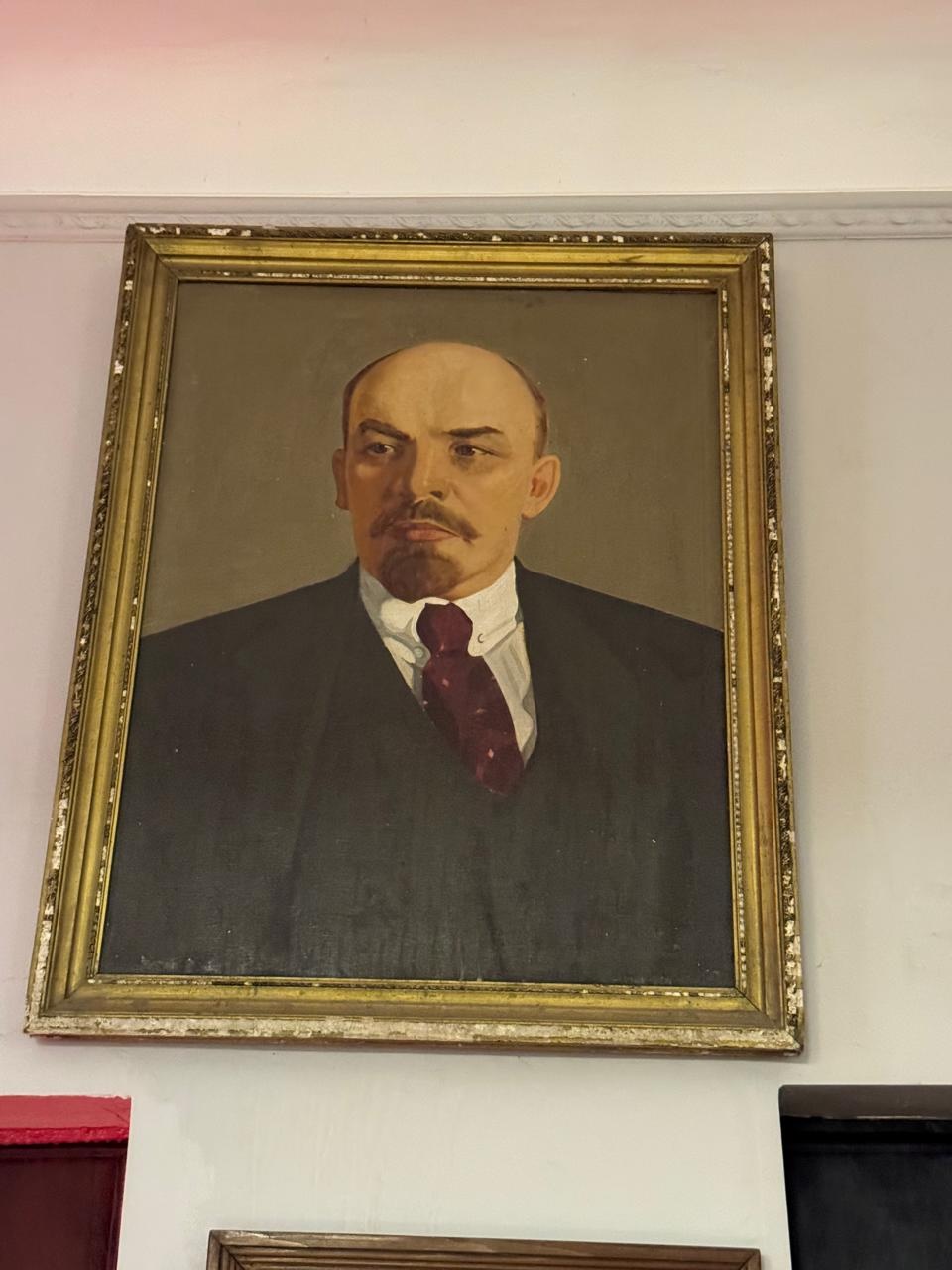
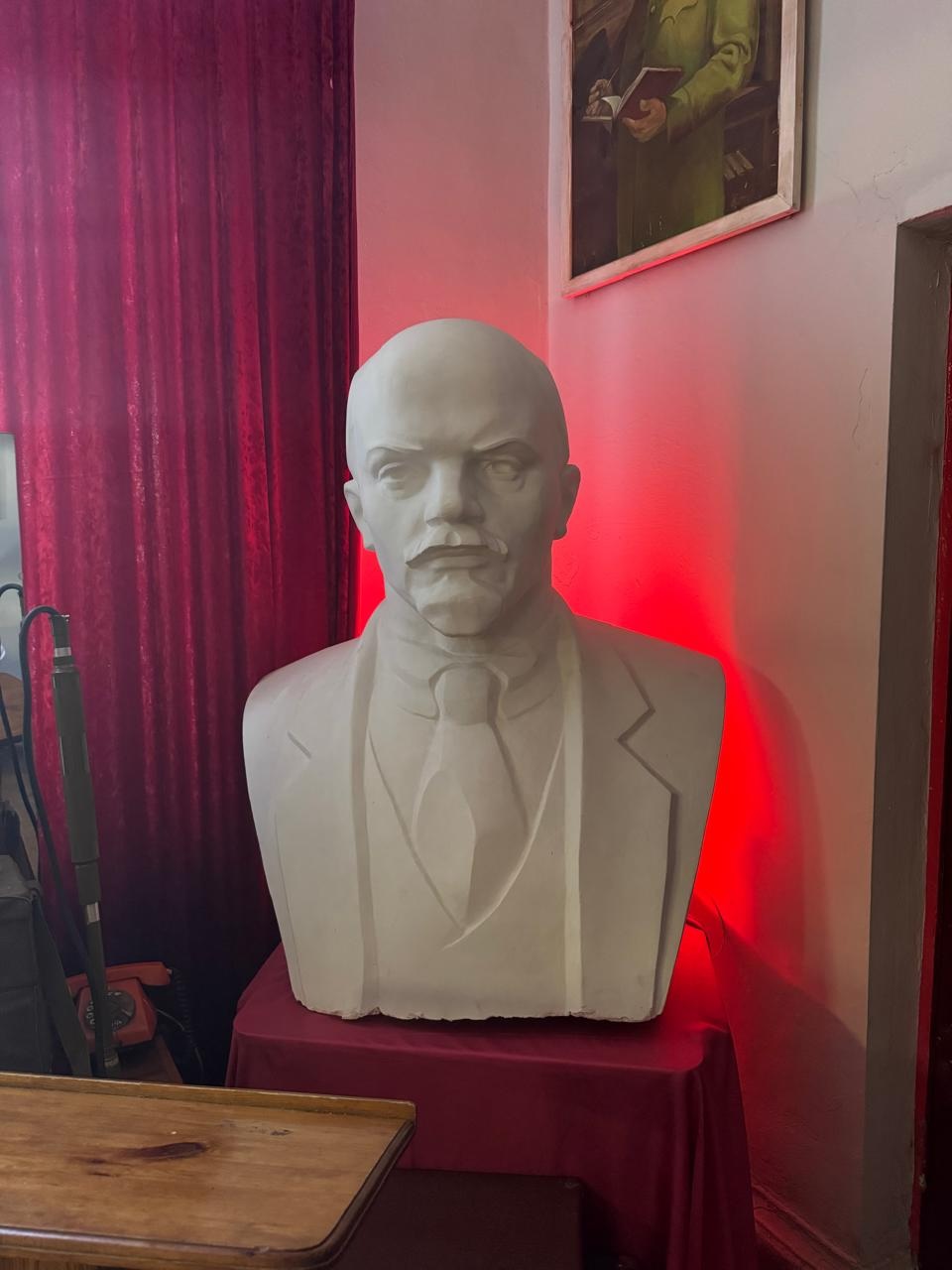
My earliest memories are painted in the bright, optimistic colors of the Soviet 1970s. As a small boy, Tiraspol was a grand stage for a happy childhood. The wide, sun-drenched avenues, the imposing Soviet architecture, the pristine parks—it all felt like a monument to a shared, glorious future. I remember holding my father’s hand as we walked in the May Day parades, the air thick with the scent of lilacs and the sound of brass bands. We would wave tiny paper flags, our faces beaming with a sense of belonging to something vast and powerful. The portraits of Lenin, stern and paternal, watched over us from every building. He wasn’t a figure of controversy then; he was simply a part of the landscape, like the sun or the rain.
Our life had a rhythm, a predictable and comforting cadence. My father worked at the Electromash plant, a vast enterprise that was the heart of the city’s industry. He would leave every morning with a steady gait, proud to be a worker in a state that valued him. My mother, a teacher, would fill our small but tidy apartment with the smell of borscht and freshly baked bread. We didn’t have much by today’s standards, but we never felt poor. We had security. We had community. We had a future that was promised to us.
School Days and Summer Dreams
School was a place of discipline and discovery. We learned our letters from the same textbooks as children in Moscow or Kyiv. We sang the anthem of the Soviet Union with genuine fervor. We were taught that we were part of a great, indivisible family of nations. The concept of a border just a few kilometers away, dividing this world from Romania, was an abstract idea, a line on a map. The Dniester was our river, and beyond it lay Moldova, a sister republic. We were all one people, or so we believed.
Summers were a golden blur of freedom. The beaches along the Dniester were our Riviera. We would swim in the cool, green water, its current a gentle pull against our small bodies. Older boys would dive from the concrete embankments, their shouts echoing across the river. Families would spread out blankets and share watermelons, the sweet, red flesh a taste of pure summer joy. I remember the lazy drone of a motorboat and the distant laughter of girls. There was an innocence to it, a sense of an unending, peaceful expanse of time.
The Cracks Begin to Show: Perestroika and Collapse
Then came the 1980s, the perestroika years. The air began to change. The confident certainty of my childhood started to fray at the edges. The word “deficit” entered our vocabulary. First it was sugar, then soap, then shoes. Queues became a part of daily life, a place for gossip and speculation. My parents would speak in hushed, worried tones at the kitchen table. The monolithic state I had believed in seemed to be developing cracks. We heard talk of independence movements in the Baltics, in the Caucasus, and then, right next door, in Moldova. I was a teenager, and the world felt like it was shifting under my feet.
When the Soviet Union collapsed in 1991, it felt less like a political event and more like a physical one—a seismic shock that shattered our reality. The flags changed. The statues of Lenin were pulled down, some of them, while others stood, confused and out of place. The familiar anthem was replaced by new, unfamiliar tunes. The security of my childhood evaporated overnight, replaced by a profound and unsettling uncertainty. What were we now? The question hung in the air, unanswered.
The War That Shaped Us: 1992
The answer, for us in Tiraspol, came with a terrible, violent clarity. The breakup of Moldova and the rise of Transnistria’s separatist movement turned our quiet city into a flashpoint. The rhetoric on television, from both sides, grew increasingly hostile. People who had been neighbors, who had worked together for decades, were suddenly on opposing sides of a political chasm. I remember the day the fighting broke out in Bendery, just a short drive from my home. The sound of gunfire, a sound I had only ever heard in war films, carried across the fields. It was a surreal, sickening sound.
My father, a proud Soviet man, was bewildered. He couldn’t understand how the great, indivisible union had disintegrated into this. He called it a “fratricidal madness.” The war was short, but it left deep, permanent wounds. I had friends on both sides of the conflict. We didn’t fight, but a part of our shared world died. The Dniester, once a symbol of unity, was now a border—a frontier. The bridge in Bendery became a ghostly monument to the conflict, a place where civilians had been caught in the crossfire.
A Country That Doesn’t Exist: The Birth of the PMR
When the ceasefire was signed in 1992, a strange, fragile peace settled over us. It was the peace of exhaustion, of shock. We had won, or at least, we had not lost. A new entity was born: the Pridnestrovian Moldavian Republic, a country that the world, for the most part, refused to recognize. We had our own government, our own currency, our own flag. But we also had a strange, liminal existence. We were a nation of passport-holders of a country that didn’t exist, living on a sliver of land caught between Ukraine and Moldova.
The 1990s were a struggle. The old economy had vanished, and the new one was slow to appear. My father’s plant, the Electromash, struggled to find its footing. The sense of shared purpose that had once defined us gave way to a dog-eat-dog mentality. We were poor, uncertain, and isolated. But we were also stubborn. We held on. The city, a bit shabbier than before, kept going. The people, with a resilience forged in the Soviet era, adapted. We learned to trade, to barter, to grow our own vegetables, to rely on our networks of family and friends. The state, under the firm hand of President Smirnov, provided a sense of order, a kind of stability that was comforting after the chaos of the early 90s. It was a paternalistic system, a ghost of the Soviet model, but it was something.
Living Among Ghosts: The Symbols We Call Home
And through it all, the symbols of the old world remained. The Soviet-era monuments, the tanks on display, the KGB headquarters, the flags with the hammer and sickle that still fly alongside the Transnistrian colors. For visitors, these are the main attractions. For me, they are just part of the furniture of my life. They are not political statements for me; they are my childhood, my youth, the backdrop to my entire existence. When I walk past the tank monument, I don’t think of war; I think of my father and the proud, uncomplicated man he was before the world became so complex.
Survival and Adaptation: The 2000s
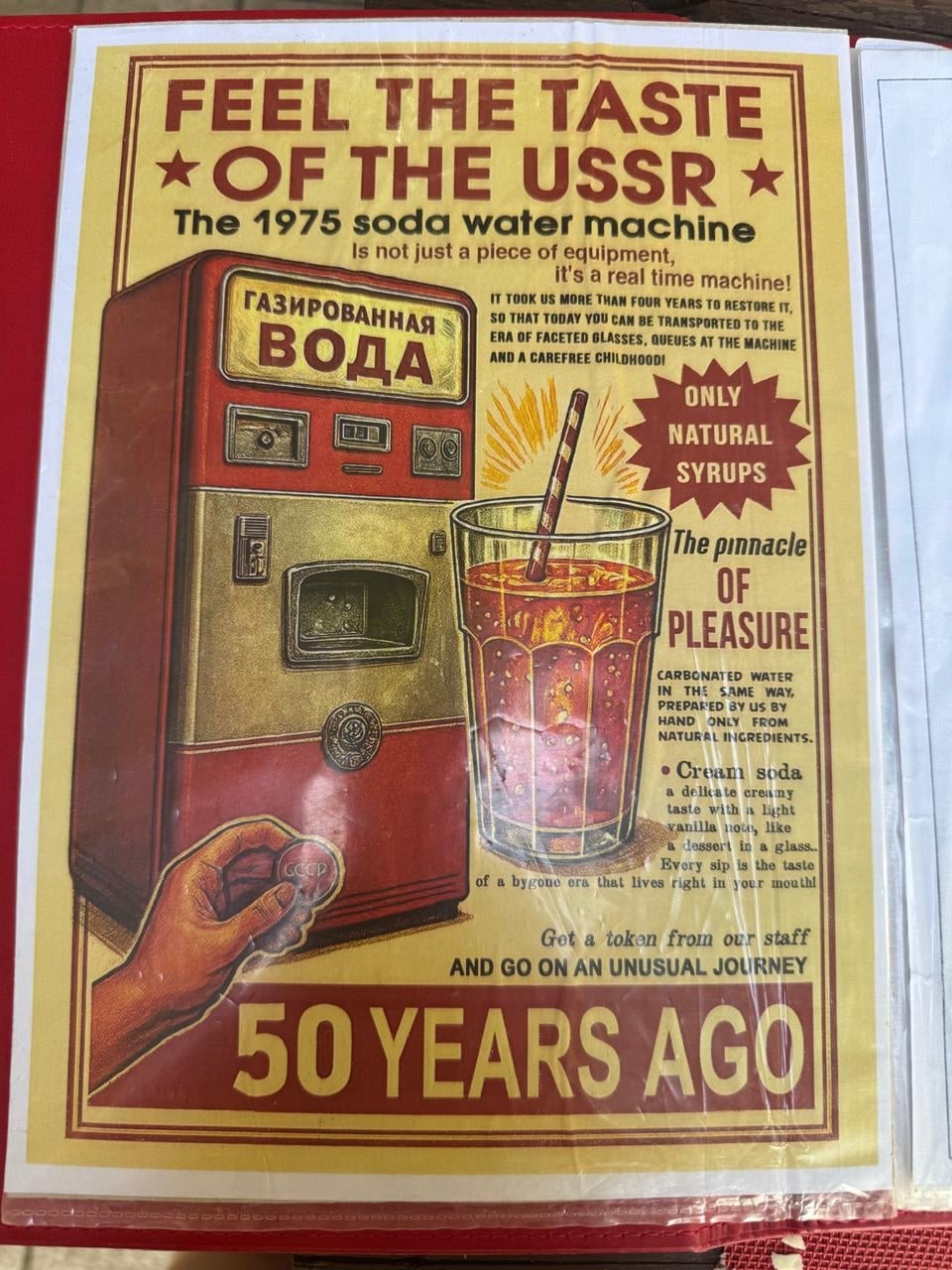
The 2000s brought a slow, hesitant change. Business began to grow. New shops opened, the city markets became vibrant with goods from Ukraine and Turkey. We became known as a smuggler’s haven, a reputation that is both true and a gross oversimplification. For many, it was simply a way to survive. It’s the black market that allows ordinary people to afford a decent life. The economy is a patchwork of legal and illegal activity, a testament to our strange geopolitical position. It’s the price of being a breakaway republic. My own career reflects this. I didn’t follow my father into the factory. I became an electrician, a trade that has always been in demand. I worked for the city, then for a private firm. I even installed satellite dishes for a while, bringing the world—specifically, Russian state television—into people’s homes. For many, that’s the only truth they trust.
Family and Fatherhood in Limbo
I met my wife, Irina, in the late 90s. She was a pharmacist, a pragmatic and kind woman who had seen the same history as I had. We married and started our own family in a country that wasn’t officially a country. We had a son, Sasha. We raised him with the same values our parents taught us: respect your elders, work hard, love your city. But his world is different. He is a native son of the PMR. For him, the war is history, the Soviet Union is a chapter in a textbook. He speaks Russian and Ukrainian, a bit of English, and he navigates the complexities of our identity with a dexterity that sometimes surprises me.
The War Next Door: A New Anxiety
When the conflict in neighboring Ukraine began in 2014, and then the full-scale invasion in 2022, a new anxiety descended. Tiraspol is on the edge. The war next door is a constant, unwelcome presence. We hear the explosions in Odesa, just a few dozen kilometers away. We have welcomed thousands of refugees, friends and strangers alike, into our city. Our own existence, forever precarious, now feels even more vulnerable. The geopolitical winds blow, and we, a tiny boat, are caught in their wake. The recent gas crisis, a political chess game between Moscow and Chișinău, was a stark reminder of how vulnerable we are. One day we had heat and light, the next, the future was uncertain. For weeks, we relied on wood stoves and our own resilience. Once again, we were forced to survive.
What It Means to Be from Tiraspol
What does it mean to be from Tiraspol? It is a question I ask myself often. It means living with a sense of duality. I can look at Moldova from across the river and see a country I share a language and history with, yet feel a profound difference. I look to Russia, to Moscow, with a sense of cultural and political affinity, yet it is a distant land that I have only ever seen on television. My home is here, on this narrow strip of land. It is a home built on a foundation of unresolved history, a place where the Soviet past and the European present brush against each other in a daily, awkward dance.
A Living Archive: My Life, My City
I’ve seen my city change and change again. From the bright-eyed optimism of the Soviet boy, to the fearful young man during the war, to the pragmatic father I am today. I’ve seen the statues of Lenin fall and rise again in the hearts of my countrymen. I’ve seen the Dniester shift from a playground to a border. My life is a catalog of these eras, a living archive of a city that history has forgotten, or perhaps, has chosen to put on hold.
A Message to the Visitor
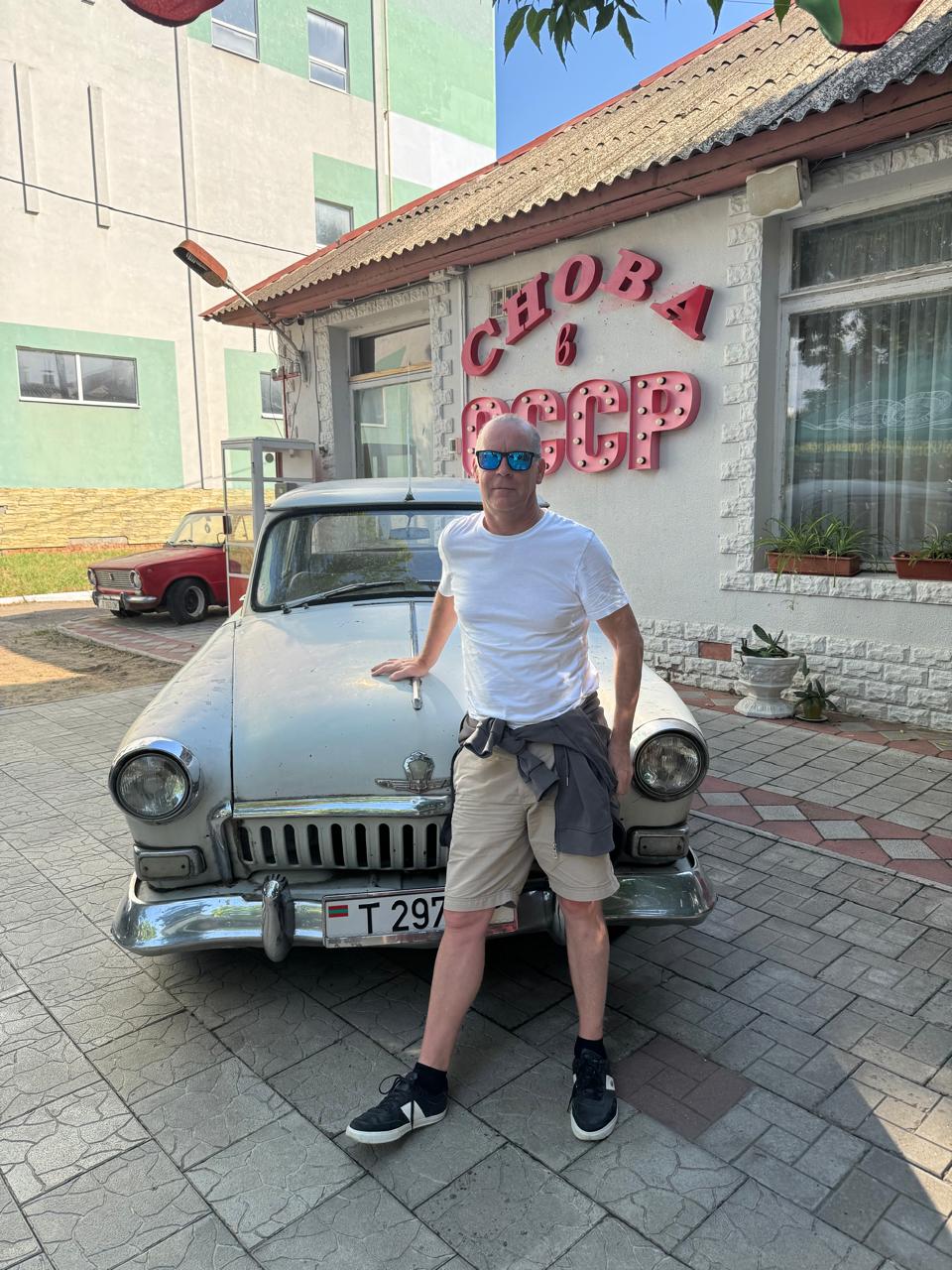
For you, the visitor, Tiraspol might seem like a fascinating time capsule. You will take pictures of the Soviet symbols, you will be surprised by the low prices, you will taste our excellent cognac and brandy, and you will maybe feel a sense of stepping back into the past. You will walk down our quiet, tree-lined streets and see the old men playing chess in the park, just as they did when I was a boy.
But I ask you to look beyond the kitsch of the Soviet nostalgia. Understand that this is not a theme park. It is our home. The symbols you see are not just political statements; they are the milestones of our lives. The war that created our republic is not a historical footnote; it is a wound that still aches. The uncertainty you might sense is not an illusion; it is the very air we breathe.
My life, and the life of every Andrey in this city, is a testament to resilience. We have survived the collapse of a superpower, a war, and decades of political limbo. We have seen so much history, yet we are also a part of it. We are a people without a map, a nation without a state, but we are not a people without a heart. Our heart is the Dniester, a river of memory that flows through us all, carrying the stories of our past into the uncertain waters of the future. And we, the people of Tiraspol, like the river, will continue to flow, quietly and stubbornly, as long as we have a home.
Enjoy your Transnistria day trips.
Andrey Zogatin