The Frozen Peace: Why Transnistria Is Safer Than You Think (And Has Been for Over 30 Years)
If you’ve read headlines in Western media, you might imagine Transnistria—the breakaway state wedged between Moldova and Ukraine—as a dangerous, war-torn no-man’s-land. The reality is strikingly different. The war in Transnistria ended over 30 years ago, and since that ceasefire in 1992, this small, unrecognized republic has been one of the most stable and surprisingly safe corners of Eastern Europe.
The War Is a Distant Memory (1992 vs. Today)
Let’s be clear: the active conflict in Transnistria concluded more than three decades ago. The fighting lasted only a few months in the early 1990s, following the collapse of the Soviet Union. Since then, a Russian-led “peacekeeping force” has maintained a frozen conflict—meaning no fighting, no shelling, no front-line changes. For context, that war ended the same year Bill Clinton was first elected U.S. president and before the first Toy Story movie was released. It is historical memory, not current news.
No Tourist Has Ever Had Problems
This is not an exaggeration: in over 30 years of de facto independence, there is no documented case of a foreign tourist being harmed, kidnapped, or caught in crossfire in Transnistria. None. Thousands of travelers—from backpackers to tour groups—visit every year. The worst that typically happens is a prolonged border check or a soldier asking for a small “donation” (which is rare and easily avoided with patience). Locals are accustomed to seeing curious foreigners, and the reaction is almost always friendly curiosity, not hostility. let us learn more about taking a day trip to Transnistria.
Why Western Media Exaggerates the Story
Let’s be honest: “Soviet time capsule where war could restart” sells better than “Stable, cheap, and weirdly charming breakaway state.” Many articles recycle Cold War tropes—photos of Lenin statues, warnings about “armed checkpoints,” and vague references to “smoldering tensions.” In practice, those checkpoints are sleepy, polite, and wave tourists through after a passport glance. The soldiers are often conscripts who are bored, not aggressive. Western outlets rarely update their risk assessments, treating a 30-year-old ceasefire as if it happened yesterday. The result is a grossly inflated sense of danger.
How Friendly Is It? Extremely.
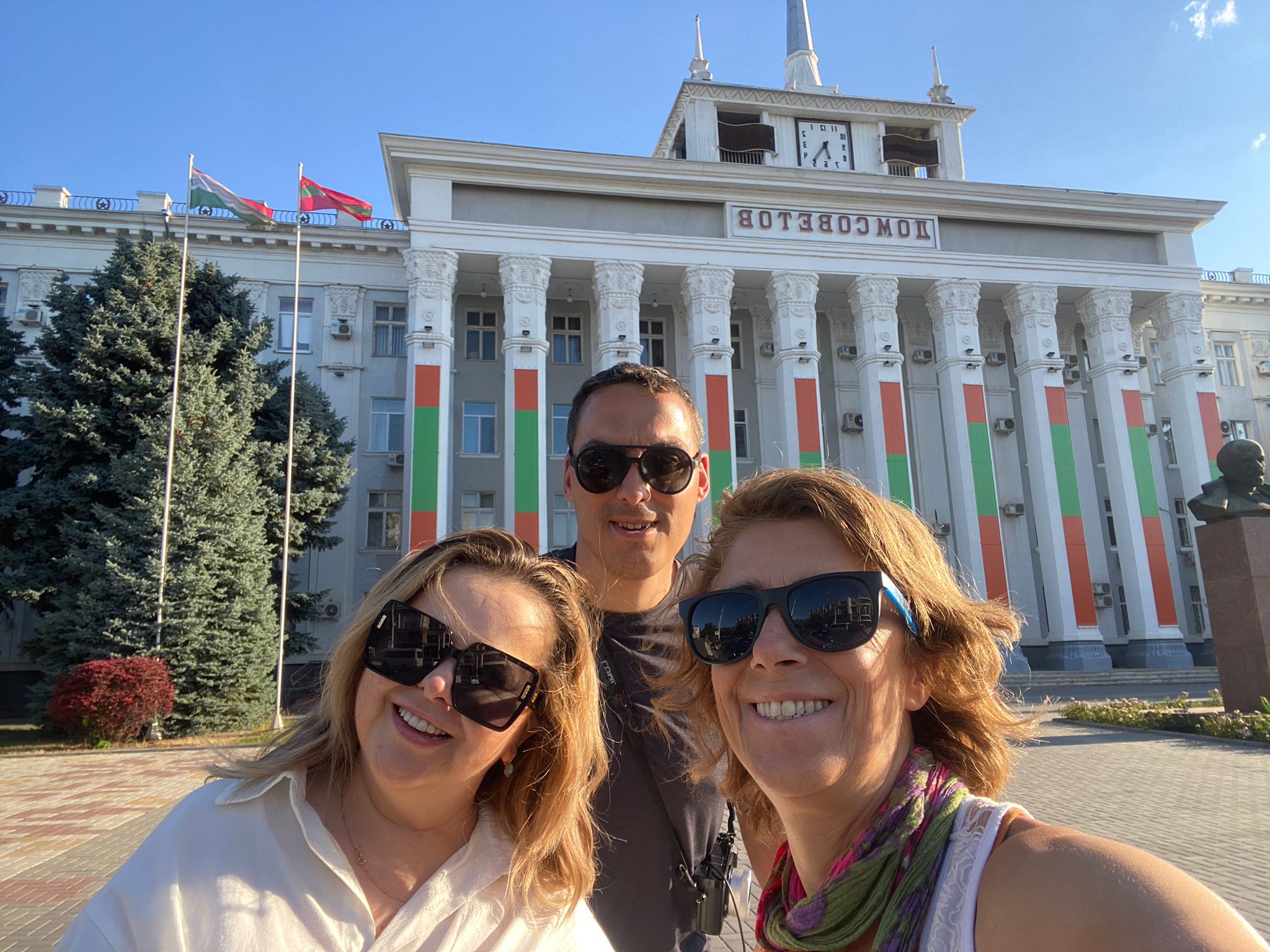
Transnistria is genuinely welcoming to visitors. Because tourism is light, locals are often delighted to see foreigners. In the capital, Tiraspol, you’ll be greeted with smiles, cheap Soviet-era beer, and people eager to practice their Russian or English. Restaurant staff won’t scam you. Taxis are honest. You can walk alone at 2 a.m. without concern. The biggest danger is probably stepping into a pothole or eating too many pelmeni (dumplings). Many visitors leave saying it’s one of the friendliest, quirkiest places they’ve ever been.
Practical Realities (Not Safety Threats)
- Border entry: You’ll cross from Moldova (which does not control the region). Moldovan guards may warn you about “security risks”—this is mostly bureaucratic posturing. Transnistrian border officials will issue a migration card. It’s simple.
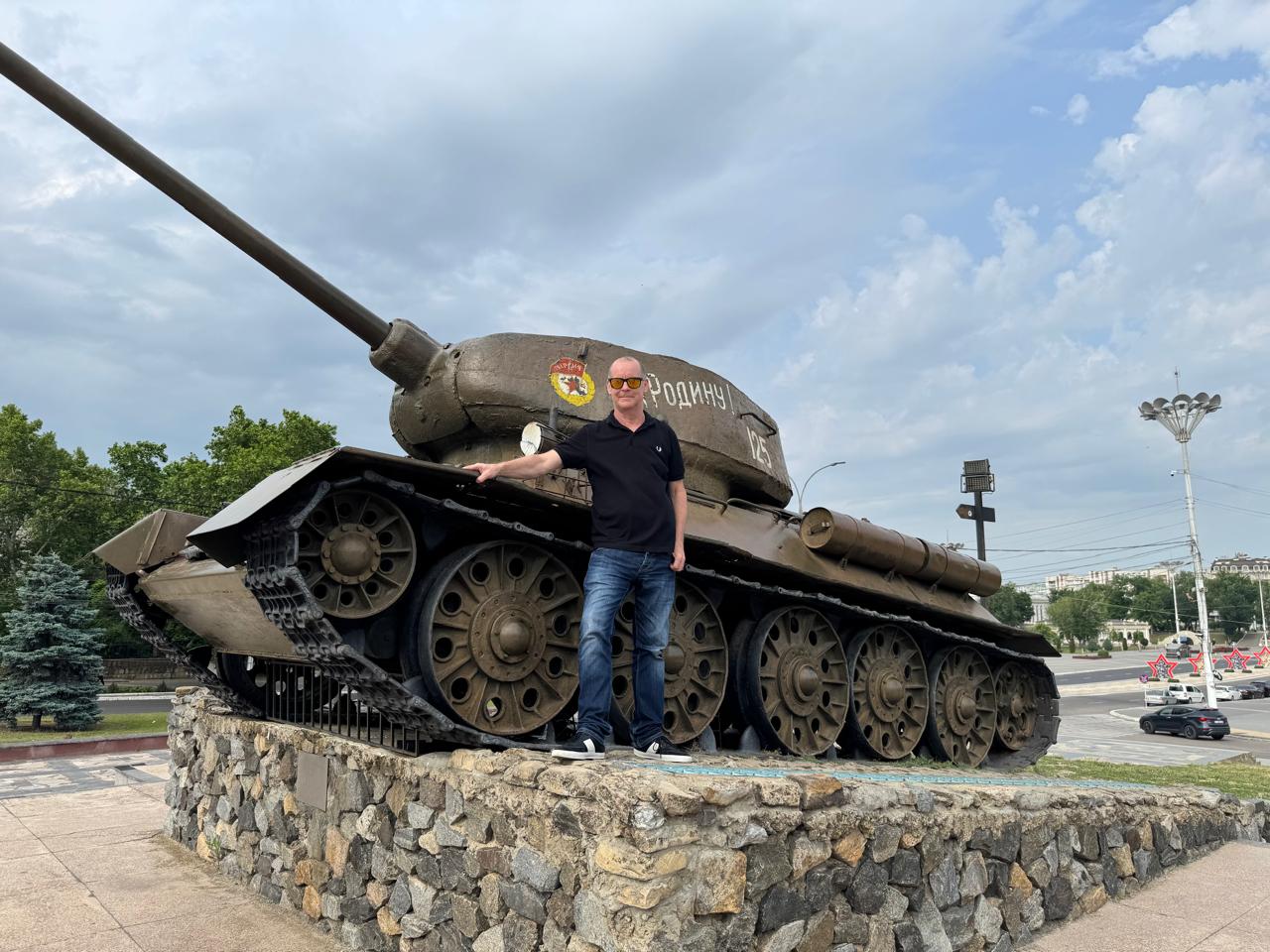
- Military presence: Yes, you’ll see soldiers and old tanks on pedestals. These are static, decorative, or part of routine patrols. No one will point a weapon at you.
- Documentation: Carry your passport. Register with authorities if staying more than 24 hours (your hotel will help).
- Avoid politics: Don’t try to film military installations or argue about sovereignty. Basic common sense.
The Verdict
Transnistria is safe to visit. The war ended over 30 years ago, not a single tourist has ever been harmed in all that time, and Western media have dramatically exaggerated the story. It is a friendly, inexpensive, and fascinating destination—a living museum of Soviet life—with a level of personal security that rivals Western Europe. If you’re looking for a unique adventure without real danger, Transnistria welcomes you. Just don’t forget your camera and a sense of humor.
Discover Moldova with Moldova Tours.