
The Last Bastion of the USSR: Why the Unrecognized Pridnestrovian Moldavian Republic Has Become an Unlikely Tourist Sensation
Introduction: The Country That Doesn’t Exist
Imagine stepping off a bus and crossing a border into a country that, according to the United Nations and the entire international community, does not exist. You show your passport to stern-faced border guards, receive a migration card instead of a stamp, and exchange your money for a local currency you can use nowhere else on Earth. You walk down wide boulevards lined with Soviet-era architecture, pass towering statues of Vladimir Lenin, and dine in a restaurant where hammer-and-sickle emblems decorate the walls and Soviet music plays on the speakers. This is not a Hollywood film set or a nostalgic theme park; this is the Pridnestrovian Moldavian Republic (PMR), commonly known as Transnistria, a breakaway state that has become one of Europe’s most peculiar and increasingly popular tourist destinations .
In recent years, this unrecognized republic has witnessed a remarkable surge in tourism. The State Customs Committee of the PMR reports that the number of incoming tourists has doubled over the past two years, with an estimated 20,000 visitors annually pre-2020, a figure that has since grown significantly . What is it about this narrow strip of land, wedged between Moldova and Ukraine, that captivates the imagination of modern travelers? This article delves into the complex history, the surreal Soviet atmosphere, and the unique attractions that have transformed Transnistria from a footnote in geopolitical textbooks into a viral sensation on TikTok and a must-see destination for off-the-beaten-path adventurers .
A History Forged in the Fall of an Empire
To understand the allure of Transnistria, one must first understand its origins. The PMR declared independence from the Moldavian Soviet Socialist Republic in 1990, motivated by the fear that Moldova would reunite with Romania following the dissolution of the Soviet Union . The region, home to a large Russian and Ukrainian population, resisted the wave of nationalism sweeping through Moldova. This tension erupted into a brief but bloody armed conflict in 1992, known as the War of Transnistria. A ceasefire brokered by Russia froze the conflict, leaving the region under de facto self-rule with a significant Russian military presence still stationed there as “peacekeepers” .
Since that ceasefire, Transnistria has functioned as a state in all but name. It has its own constitution, president, parliament (the Supreme Council), military, police force, and central bank, which issues its own currency, the Transnistrian ruble . It operates its own border control and issues its own postage stamps. Despite this, no UN member state recognizes its sovereignty, and it is legally considered part of Moldova by the international community . This unresolved status, often described as a “frozen conflict,” is the very foundation of its appeal. Tourists are drawn not just to the relics of the Soviet era but to the living, breathing anomaly of a state that has existed in geopolitical limbo for over three decades .
“Back in the USSR”: The Allure of a Soviet Time Capsule
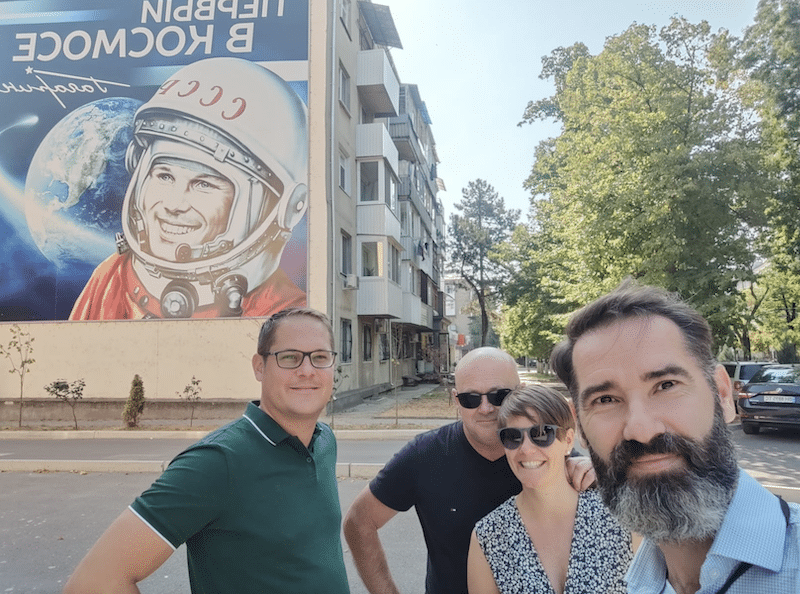
The primary draw for the vast majority of tourists is the surreal experience of stepping back in time to the Soviet Union. In Tiraspol, the capital, and Bender (Bendery), the second-largest city, the Soviet aesthetic is not just preserved but remains an integral part of everyday life . This is the “last bastion of the USSR,” a place where the old Soviet coat of arms with the hammer and sickle is still proudly displayed and Lenin is still revered . Tours to Transnistria have become more and more popular.
Tiraspol: A Living Museum
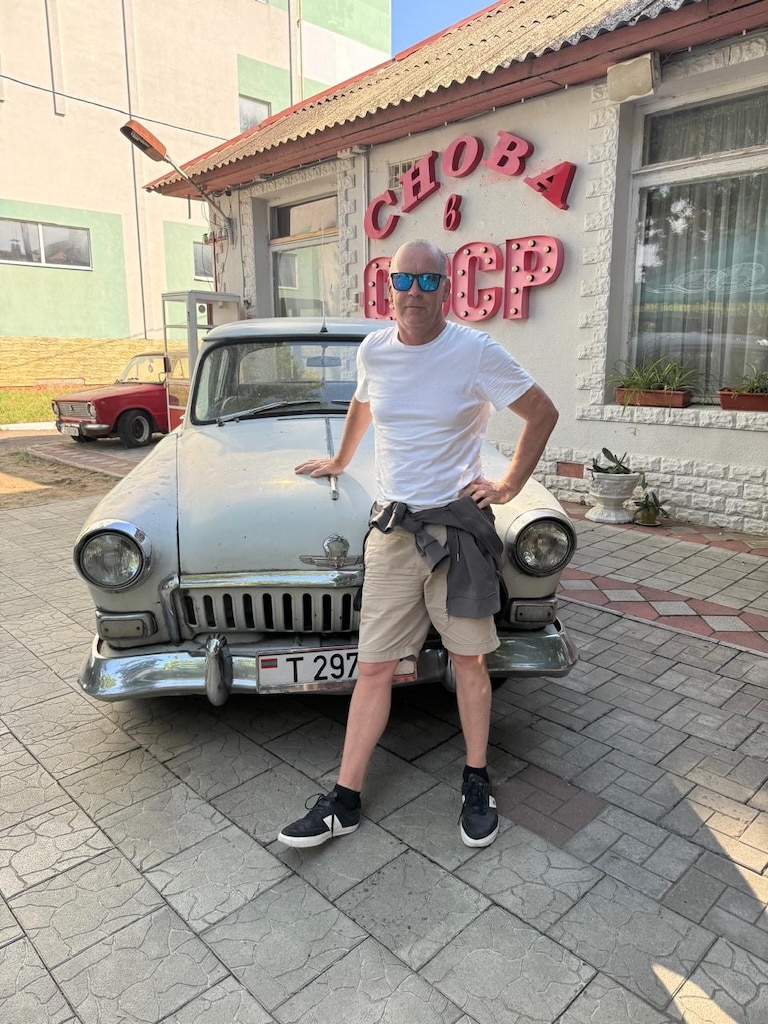
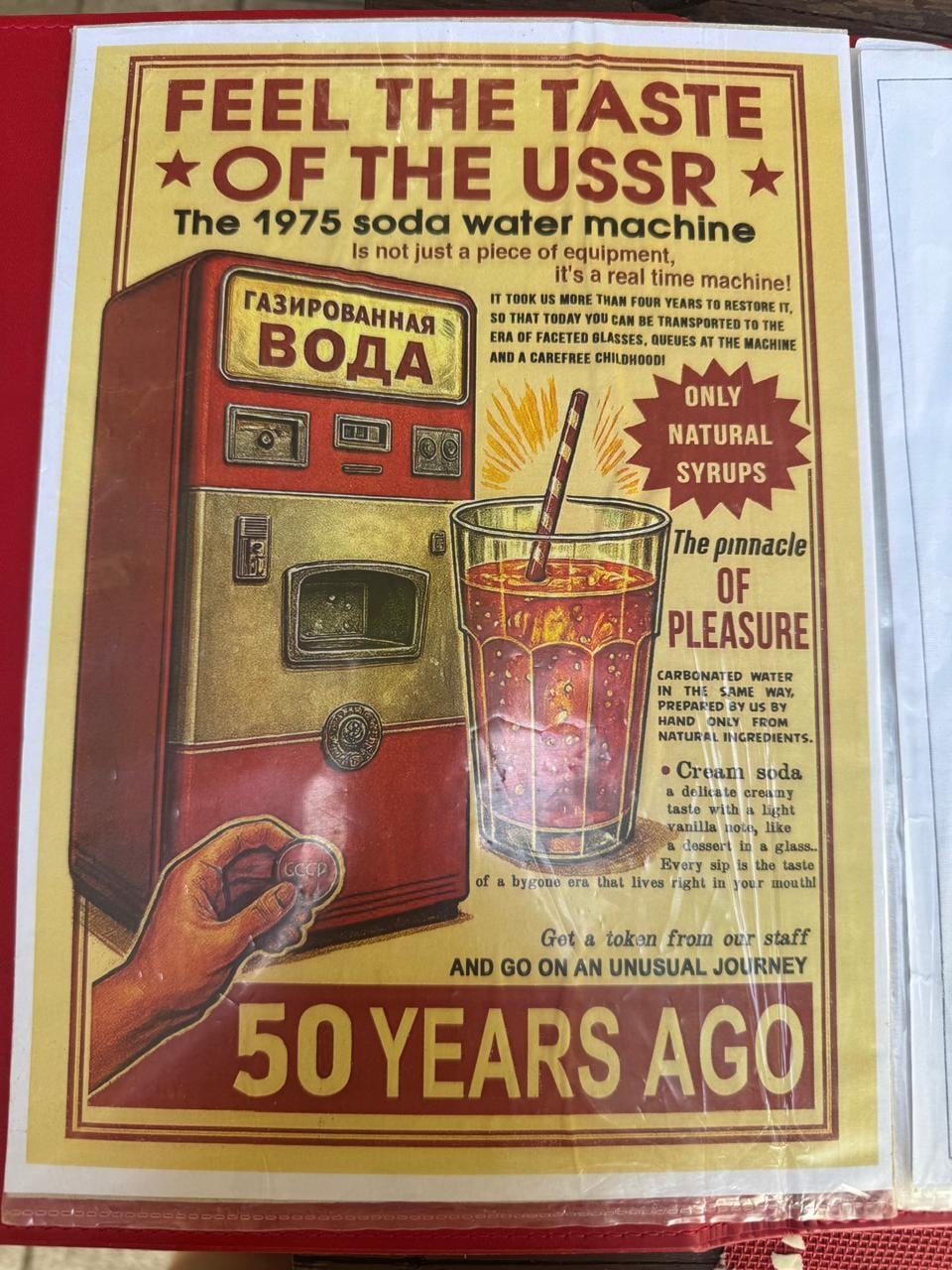
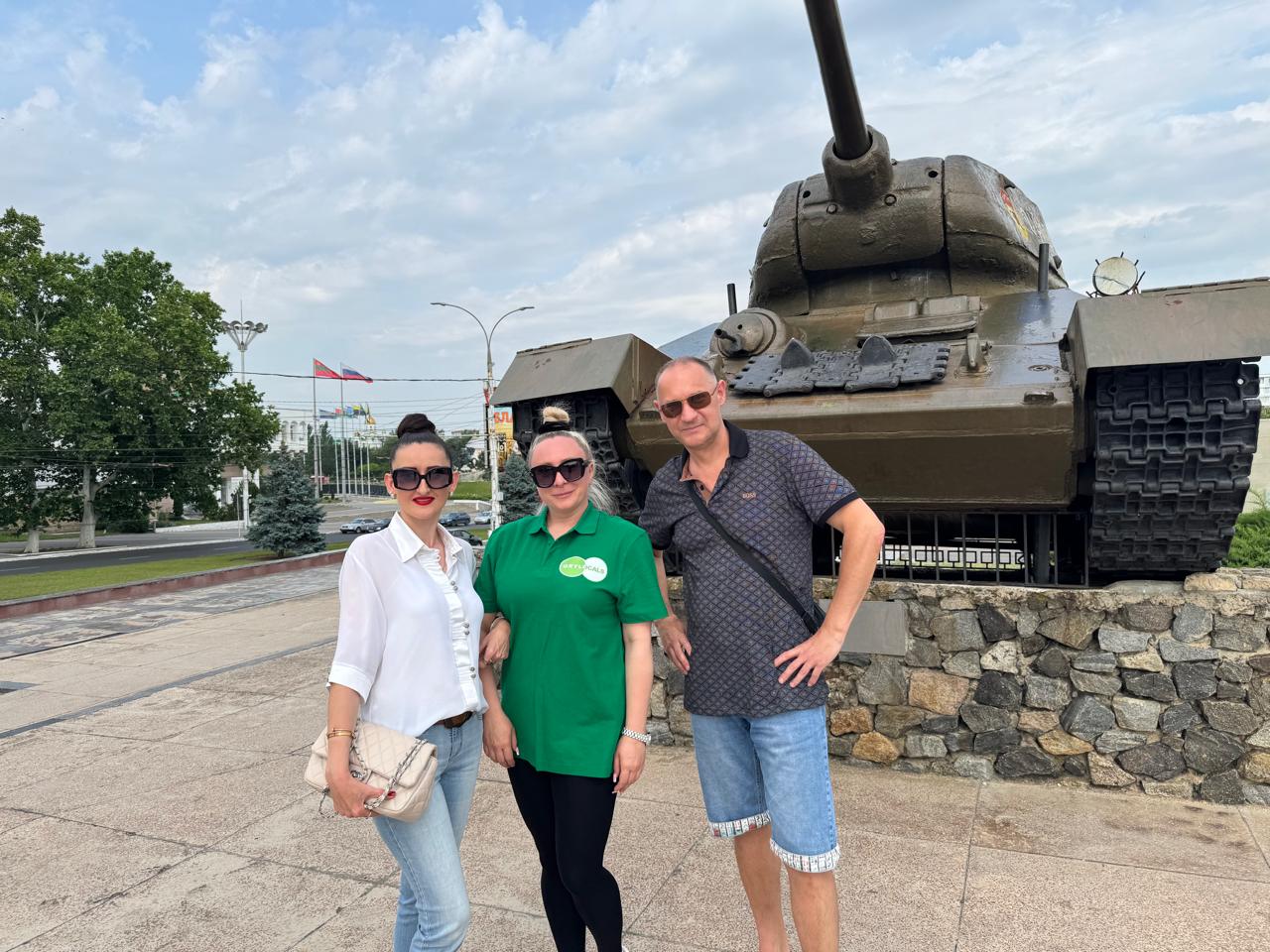
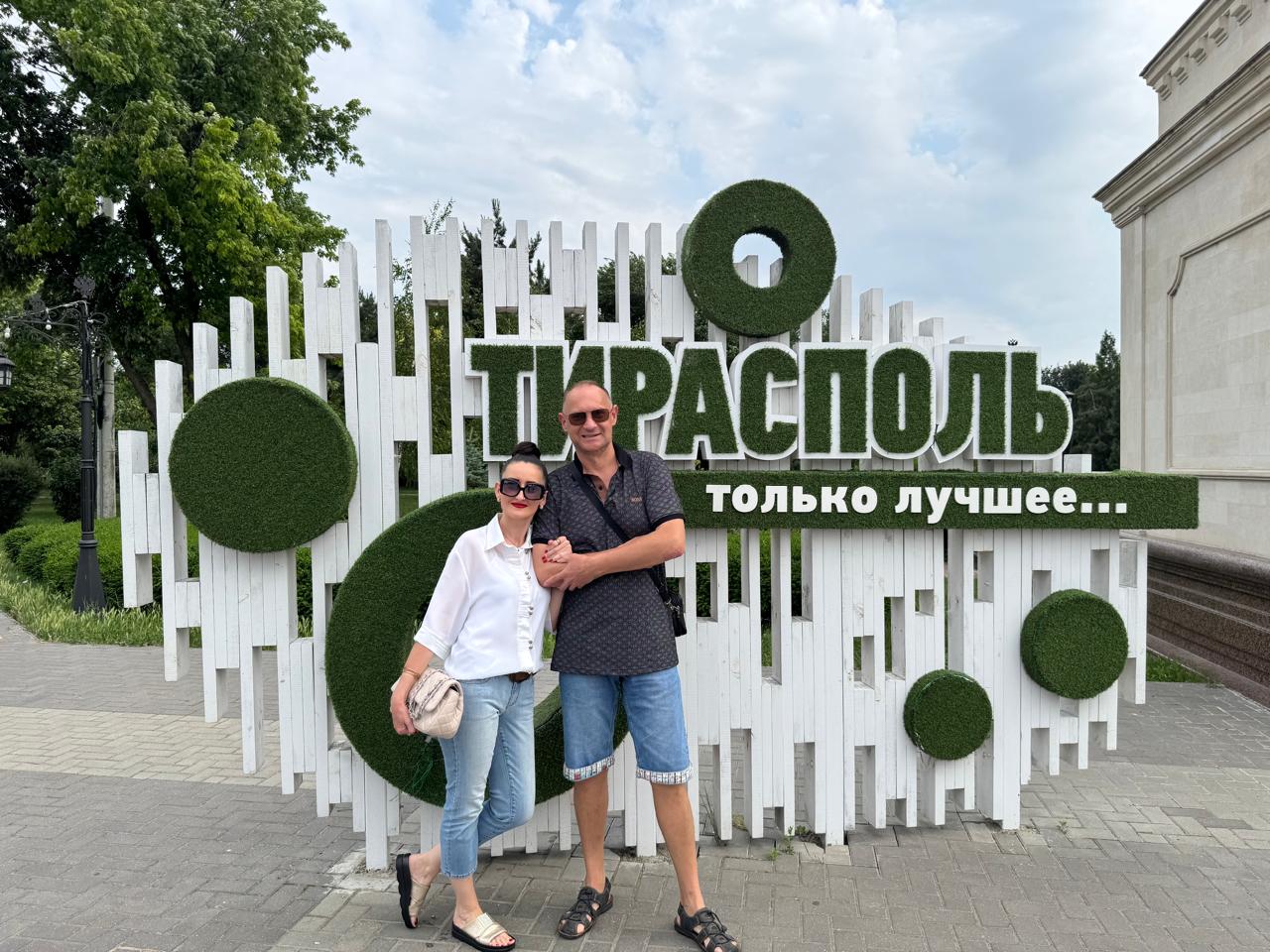
Tiraspol, the capital city, feels frozen in amber. The main thoroughfare, 25th October Street, is a grand Soviet boulevard lined with imposing administrative buildings, the most famous being the House of Soviets. In front of it stands one of the largest and most photographed statues of Vladimir Lenin in Europe, a powerful symbol of the region’s enduring ideological allegiance . Nearby, the Suvorov Monument, an equestrian statue of the Russian military general who founded Tiraspol in 1792, stands as a reminder of the city’s long imperial history . For the ultimate Soviet experience, visitors can dine at the “Back in USSR” restaurant or similar Soviet-themed canteens, where the decor features old Soviet memorabilia, period music plays, and the menu offers traditional dishes like borscht and pelmeni served with a side of nostalgia—and a glass of vodka .

Bender Fortress and Memorials
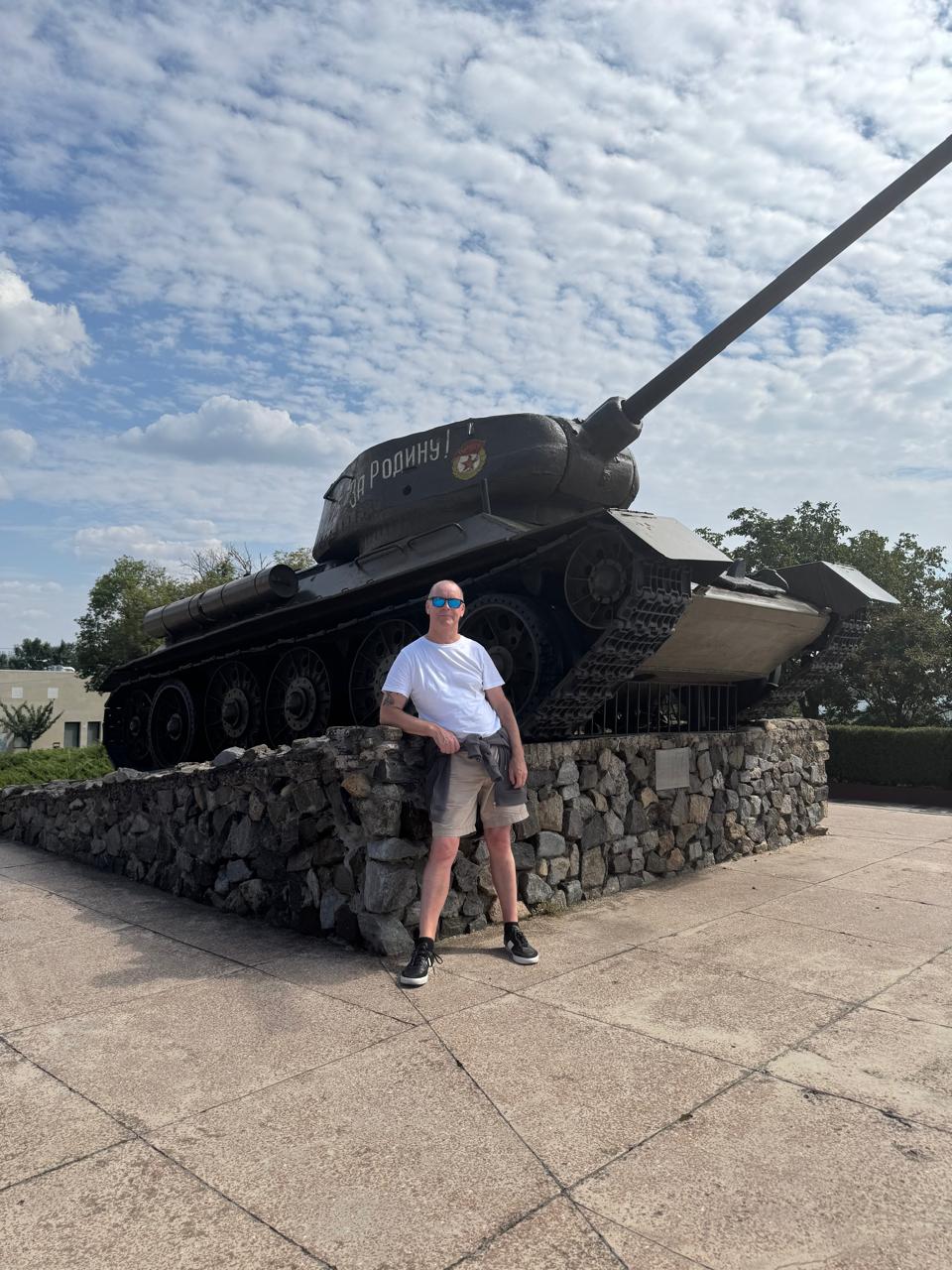
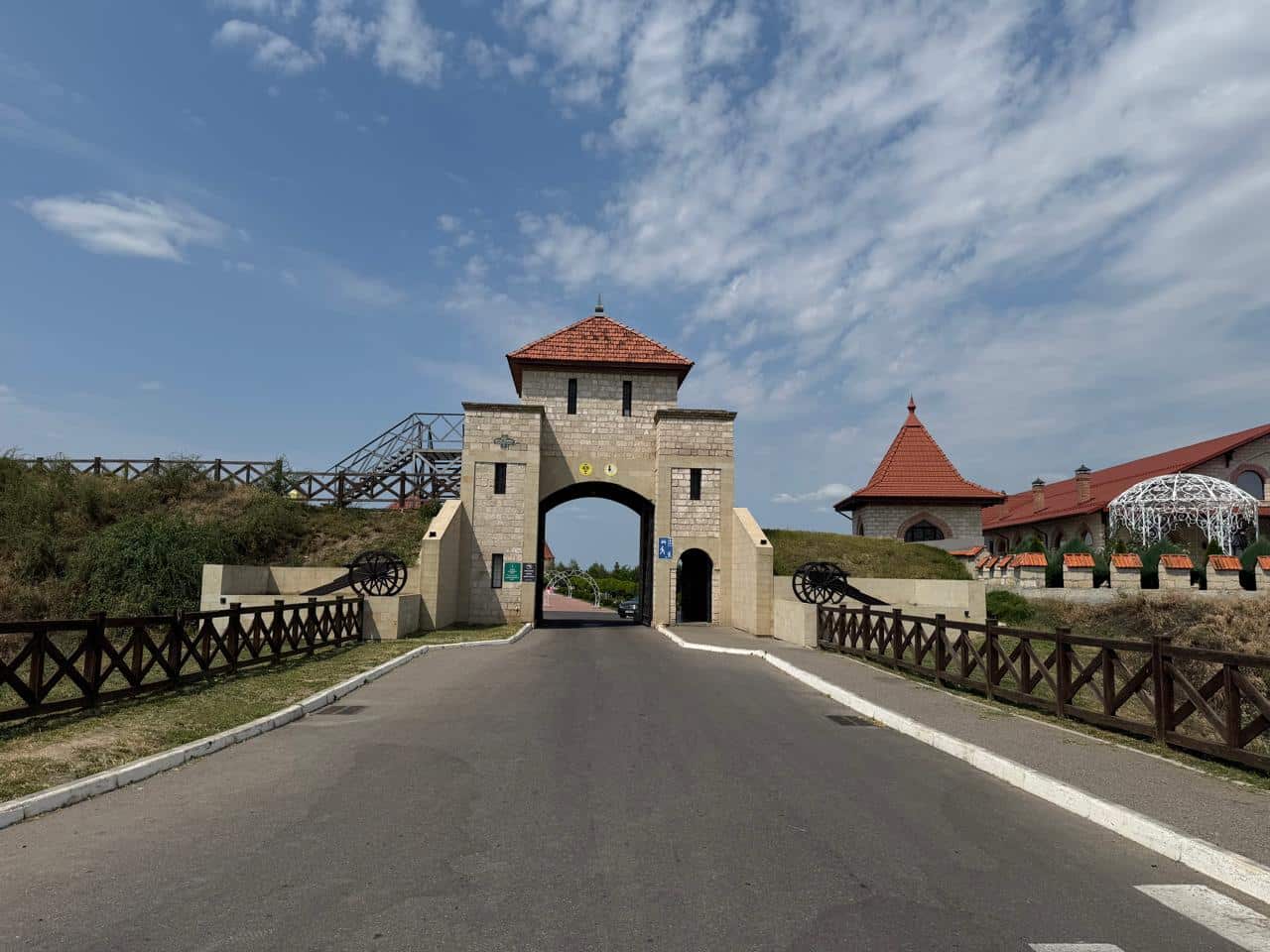
Across the Dniester River lies the city of Bender, home to the magnificent Bender Fortress (Tighina). This 15th-century Ottoman-era fortress is one of the oldest and most impressive military structures in the region, with a rich history spanning the Ottoman, Tsarist, and modern eras . A visit to the fortress offers panoramic views and a tangible connection to the area’s turbulent past. The city also features the Memorial of Military Glory in Bendery, which pays tribute to the soldiers who fell in the 1992 conflict. A prominent T-34 tank monument serves as a somber reminder of World War II (the Great Patriotic War) and the more recent separatist conflict .
Beyond the Capitals: Full-Day Expeditions
The tourist experience now extends far beyond Tiraspol and Bender. Tour operators are offering “off-the-beaten-track” itineraries that venture north to lesser-known towns like Grigoriopol, Dubăsari, and Rybnitsa. These tours are a treasure trove for urban explorers and Soviet art enthusiasts, showcasing giant, colorful Soviet mosaics adorning the façades of cultural centers and factories, Lenin monuments in town squares, and the industrial landscapes of the metallurgical plant in Rybnitsa . These excursions provide a deeper, more authentic glimpse into life in the republic, far from the tourist hubs . learn more about private tours Transnistria price.
Unique Experiences and Quirky Souvenirs
The appeal of Transnistria is also in its unique oddities. For example, a popular excursion includes a visit to a modern sturgeon fish farm in Tiraspol, where tourists can observe enormous beluga sturgeons and taste local caviar, a specialty of the region . Another peculiar draw is the “House of Book” in Tiraspol, a bookstore that has gone viral on social media for selling kitschy souvenirs featuring Vladimir Putin, including posters, fridge magnets, and other memorabilia—a bizarre item to find in a country officially at war with its neighbor . Souvenir shops across the capital offer PMR-themed memorabilia like posters of the flag, the coat of arms, and the lyrics to the national anthem, making for truly conversation-starting keepsakes from a place that doesn’t exist on the map . Transnistria group tour packages are very popular.
A Booming Industry: Government Support and Viral Fame
The surge in tourism is not entirely organic; it has been actively encouraged by the Pridnestrovian government. The state is implementing a “Support and development of tourism in the PMR for 2019-2026″ program. In 2024 alone, this initiative produced bilingual booklets, tourist maps, and information signs for key attractions, and the republic actively promoted its tourism product at an international expo in Chisinau . In recognition of the growing number of foreign visitors, Transnistria also released its first official traveler’s guide in both Russian and English, detailing customs regulations and visitor information . Learn what to see and do in Transnistria here.
This official push has been amplified by a viral wave on social media. Videos posted under the “#Transnistria” hashtag on TikTok, with thousands of posts, have showcased its “weirdly fascinating” Soviet aesthetic to a global audience, often framing it as a visit to “the place that doesn’t exist” . Travel bloggers and influencers, drawn to its “off-the-beaten-track” and unique status, have documented their journeys, further fueling the region’s popularity as an unconventional destination .
Practicalities and Safety: What Travelers Need to Know
Visiting Transnistria requires preparation. The easiest and most common route is a two-hour bus or taxi ride from Chisinau, the capital of Moldova. At the border checkpoint (usually Bender), travelers must present a passport and will be issued a small migration card, which must be kept safe for the exit procedure. It is crucial to note that international credit cards do not work in Transnistria. Visitors must bring cash (euros or Moldovan lei are recommended) to exchange for the local Transnistrian ruble at official exchange points . International roaming services are unavailable in the region, leaving Wi-Fi in cafes and restaurants as the only connection to the outside world .
Regarding safety, opinions are divided. Official travel advisories, such as those from the UK’s FCDO, currently advise against all travel to Transnistria due to its proximity to the active conflict in Ukraine, the risk of power blackouts, and the limited capacity to offer consular support . However, numerous travel reports and viral social media posts describe the region as stable, peaceful, and surprisingly safe for visitors, with locals who are proud, hospitable, and amused by the sudden influx of tourists . Visitors are advised to remain respectful and adhere to local guidelines, as this is not a typical border crossing and tensions can be high .
Conclusion: A Destination of Contradictions
The popularity of the Pridnestrovian Moldavian Republic is a testament to a new type of tourism driven by curiosity, nostalgia, and the desire for experiences that are authentic and far from the mainstream. It is a destination built on contradictions: a state that is not a state, a place frozen in time that is embracing modern social media, a “dangerous” zone that is described by visitors as one of the safest they’ve ever been to. For the discerning traveler seeking more than sun, sea, and sand, this “last bastion of the USSR” offers a unique, surreal, and safe Transnistria unforgettable journey into a living piece of history that officially doesn’t exist.

Bryn Jacobs Chief Editor
Hello dear Travelers! I am Bryn Jacobs and I am your travel advisor. Having a vast experience in traveling throughout Eastern Europe and having researched this part of the world myself. I write articles on the site about travel experiences in Eastern Europe with statistics and interesting facts.