
A Culinary Journey Through Moldova: A Guide to Traditional Delights and Food Tours in Chișinău
Moldova may be one of Europe’s smaller nations, but its culinary landscape is vast, complex, and deeply satisfying. Tucked between Romania and Ukraine, this corner of Eastern Europe has absorbed centuries of influences—Ottoman, Romanian, Slavic, and Gagauz—while forging a food culture that is unmistakably its own. For travelers willing to venture beyond the well-trodden paths of Western Europe, Moldova offers something increasingly rare: authentic, unpretentious cuisine that tells the story of the land and its people.
This guide will walk you through the essential dishes that define Moldovan gastronomy, from the humble to the celebratory, and then introduce you to the best way to experience them firsthand—through food tours in the capital, Chișinău. Whether you are a seasoned food explorer or simply curious about what awaits in this underrated destination, consider this your invitation to eat your way through Moldova.

The Cornerstones of Moldovan Cuisine
Mămăliga: The Staff of Life
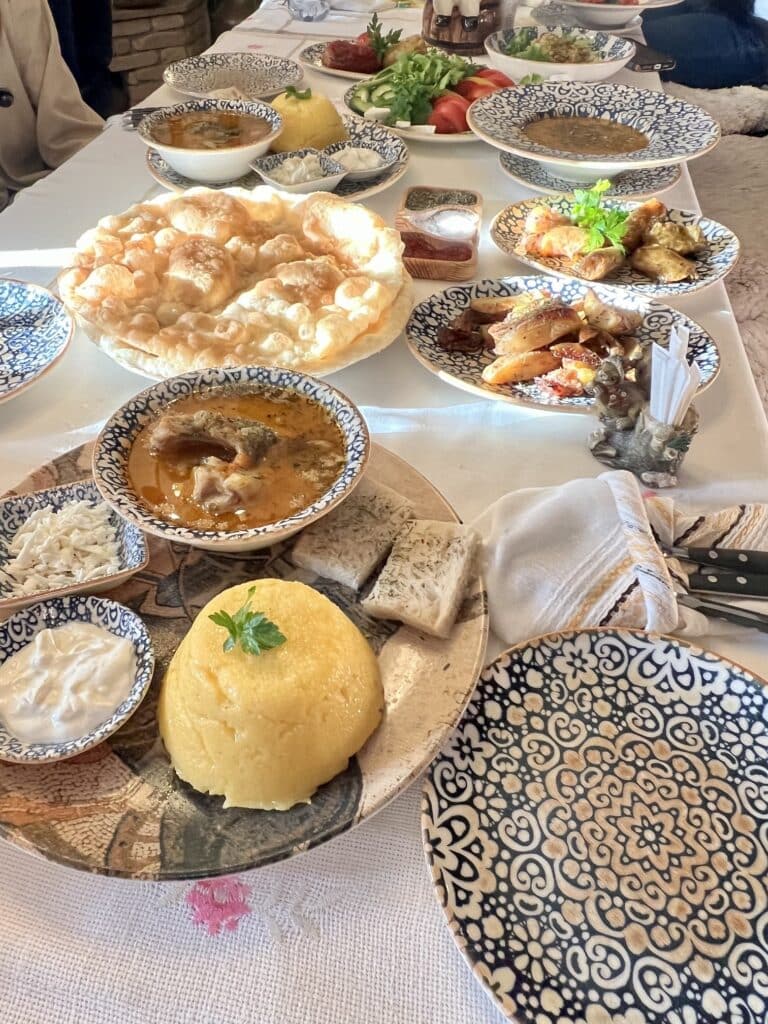
No discussion of Moldovan food can begin anywhere other than mămăliga. This cornmeal porridge, often compared to Italian polenta, is the heart of the traditional Moldovan table. It is a dish born of necessity and perfected over generations, serving as a bread-like staple that accompanies nearly every meal. Mămăliga is prepared by slowly adding cornmeal to boiling water, a process that demands patience and a steady hand; lumps are the enemy, and the result should be smooth, dense, and comforting. It can be made thick enough to slice or soft enough to eat with a spoon, and it is traditionally served with brânză (a salty sheep’s milk cheese), sour cream, and sometimes pork rind. For the full experience, order it alongside fried fish, garlic, and sour cream—a combination that captures the essence of Moldovan home cooking.
Sarmale: The Celebratory Staple
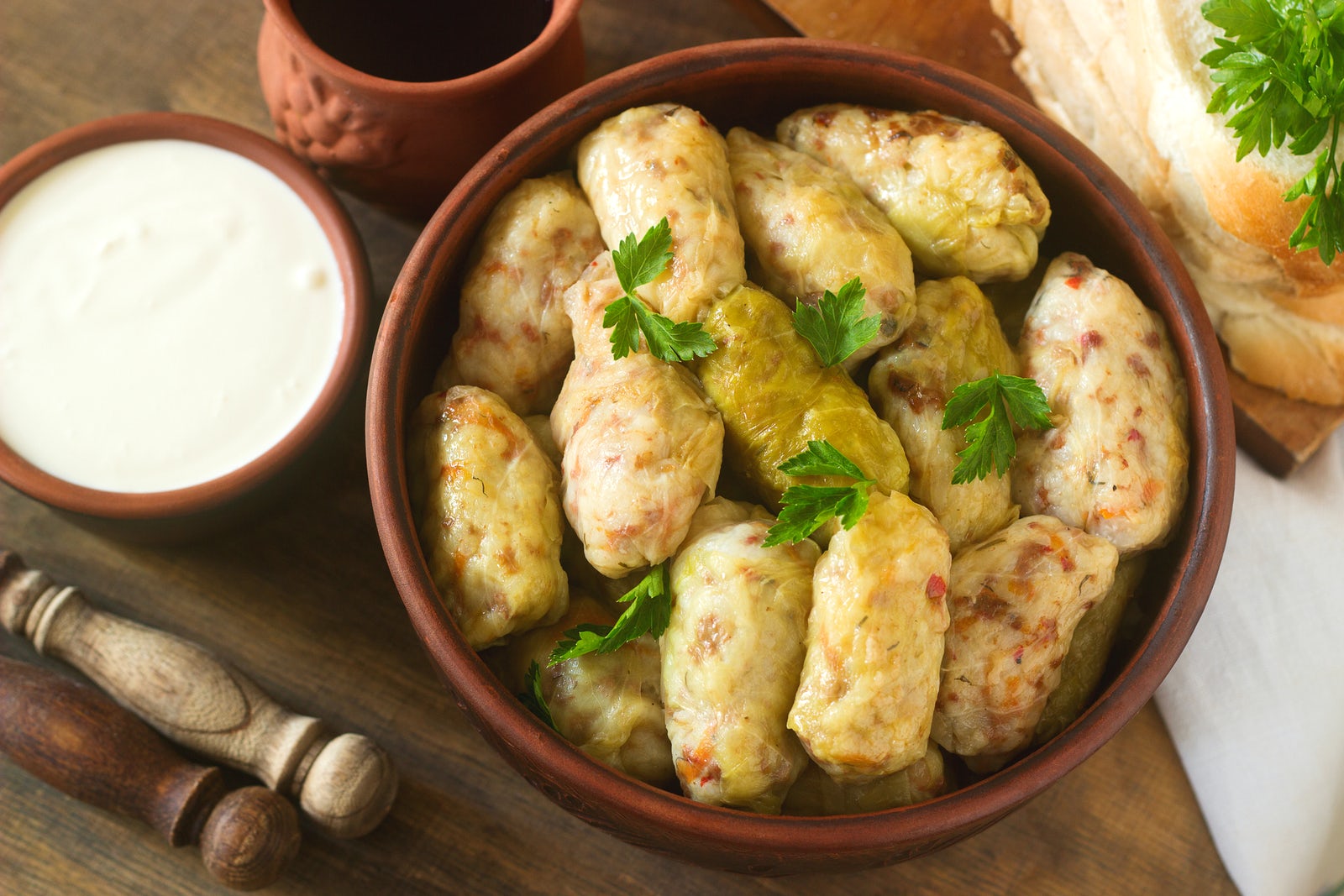
If mămăliga is the daily bread, sarmale is the feast. These stuffed cabbage rolls—sometimes made with grape leaves or peppers—are the centerpiece of holiday tables and family gatherings across Moldova. The filling typically consists of rice mixed with chopped vegetables and sometimes meat, seasoned and then baked slowly for hours until the flavors meld into something deeply savory and satisfying. In Moldova, sarmale are often served with sour cream for dipping, and the smaller the rolls, the more prized they are; some cooks take pride in shaping them by hand, producing tiny, delicate parcels that belie their robust flavor. The dish reflects Moldova’s position at the crossroads of empires: variations of sarmale appear throughout the Balkans, the Middle East, and Central Europe, but the Moldovan version has its own distinct character.
Zeama: The Soup That Warms the Soul
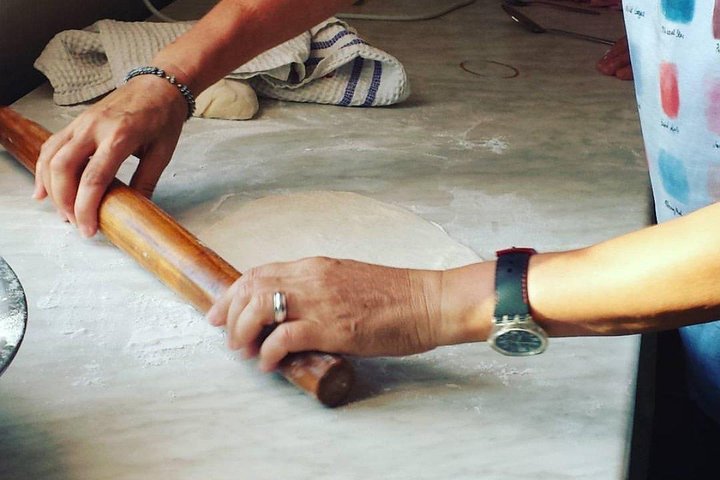
On any given day in Moldova, lunch likely begins with zeama. This traditional soup is made with a light chicken broth, homemade noodles, and an abundance of vegetables—onions, carrots, potatoes, parsley, and sometimes tomatoes. It is a soup that manages to be both nourishing and subtle, the kind of dish that feels restorative after a long day. Like many Moldovan foods, zeama is typically served with bread and sour cream, and a bit of hot pepper on the side for those who like a little heat. It is the taste of everyday life in Moldova, unassuming yet deeply satisfying.
Plăcinte: The Beloved Pastry
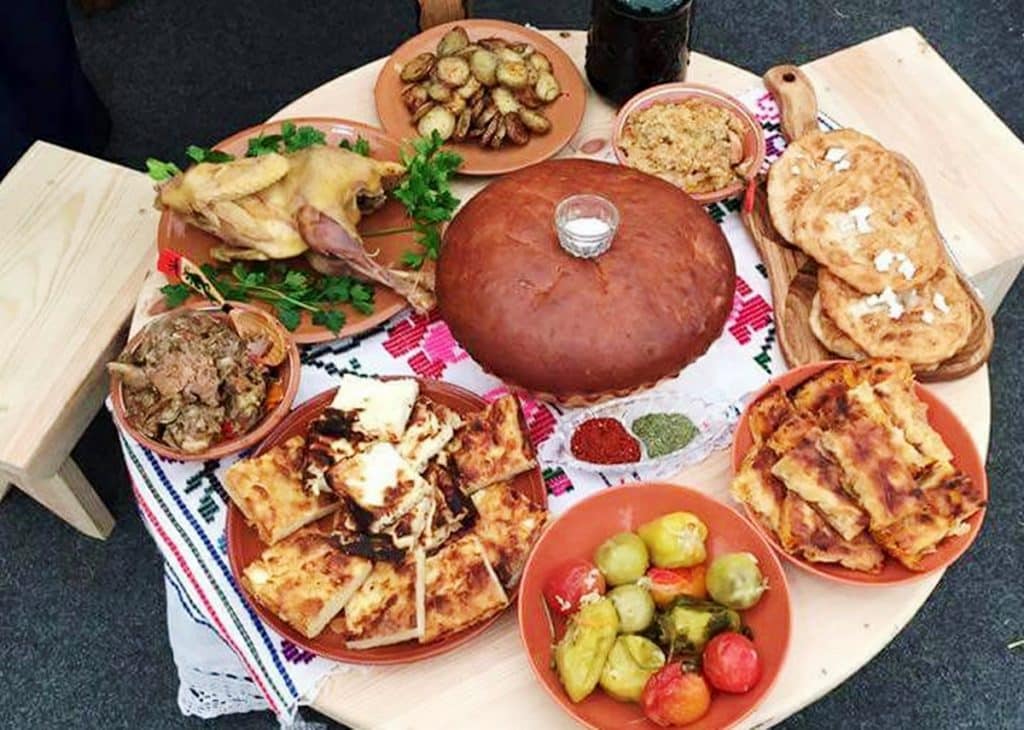
Plăcinte are everywhere in Moldova—from convenience stores to the most elaborate celebratory meals. These fried or baked pastries come with a variety of fillings: brânză (cheese), cabbage, potatoes, pumpkin, sour cherries, apples, or meat. The quality of a plăcinte depends on the balance between dough and filling, and the best versions are made fresh and eaten warm. For many visitors, the first bite of a homemade plăcinte, still hot from the pan, is the moment they fall in love with Moldovan cuisine. In Chișinău, the restaurant chain La Plăcinte has built its reputation on these pastries, offering generous portions in a casual, family-friendly setting that serves as an excellent introduction to local food.
Regional Specialties and Protected Treasures
Moldova’s culinary heritage extends far beyond these staples. The country has recently taken steps to protect and promote its traditional foods, with several dishes earning Traditional Specialties Guaranteed (TSG) status from the State Agency on Intellectual Property. Among them are “Bride’s Pie,” a layered pastry filled with cottage cheese, eggs, and sugar; “Ghitman,” a baked dough filled with potato cubes, pork cracklings, and onion; and “Borscht with Trickled Pastries,” a sweet-and-sour soup with homemade noodles and pork. These dishes originate primarily from the Ștefan Vodă district and represent the gastronomic wealth of Moldova’s rural communities.
The country’s food culture is also shaped by its ethnic diversity. In the south, Gagauz and Bulgarian communities contribute dishes like shorpa, a highly seasoned mutton soup, and mangea, a chicken sauce. Ukrainian influences appear in borscht and colțunași, dumplings filled with cheese, meat, or cherries. This layering of traditions makes Moldovan cuisine particularly rich for those willing to explore.
Culinary Food Tours in Chișinău
For travelers who want to go beyond simply ordering from a menu, food tours in Chișinău offer an immersive way to understand Moldovan cuisine and culture. The most prominent option is the Piata Centrala Food Tour, a two-hour guided experience through Chișinău’s largest and liveliest market.
The Piata Centrala Food Tour
Piața Centrală is not merely a marketplace; it is the beating heart of Chișinău’s food culture. Vendors arrive as early as 4 a.m. to set up their stalls, bringing fresh produce, cheeses, meats, and homemade goods from villages across the country. The market is a sensory overload in the best possible way: vibrant colors, the aroma of fresh bread, the lively banter of vendors, and the sheer abundance of Moldova’s agricultural bounty.
The guided market food tour, typically led by knowledgeable local guides such as Elena Plescan, takes small groups of no more than six people through the market’s winding aisles. The experience is part tasting, part storytelling, and entirely about discovering the simple yet flavorful foods that locals eat every day.
The tour typically begins with a sampling of Moldovan cheeses, including the distinctive brânză, a crumbly and pleasantly salty sheep’s milk cheese that is a cornerstone of local cuisine. From there, participants taste seasonal fruits and berries, homemade wines, pickled vegetables, and traditional cured meats like pastrama. Each tasting comes with context: the guide explains production methods, regional variations, and the role these foods play in Moldovan family life and celebrations.
One of the most appealing aspects of the tour is the opportunity to meet the farmers and vendors behind the products. These are people who have dedicated their lives to producing food in traditional ways, and hearing their stories adds a layer of meaning to every bite. The tour also includes a stop at a hidden eatery within the market for an authentic snack—perhaps a freshly griddled plăcinte or a bowl of zeama—the kind of simple, satisfying meal that fuels a day of shopping.
Practical Details
The Piata Centrala Food Tour lasts approximately two hours and is conducted in English. Meeting points vary by provider; some tours begin outside the McDonald’s on Stefan cel Mare si Sfant Boulevard, while others meet in front of the Cristina shoe store on Strada Armeneasca. The tour is wheelchair accessible, and free cancellation is typically available up to 24 hours in advance. Prices are reasonable—around €34 per person for a private tour—and the experience is suitable for adults and older children.
It is worth noting that the market can be crowded and chaotic, which might be overwhelming for some visitors. However, for those comfortable with lively environments, this is precisely what makes the experience feel authentic and alive.
Beyond the Market: Other Culinary Experiences
While the Piata Centrala tour is the most established option, Chișinău offers other ways to engage with Moldovan food. Restaurants like La Taifas provide an immersive dining experience in a setting designed to resemble a traditional Moldovan peasant’s house, complete with ethnographic decorations and live folk music. The menu features classic dishes—borsch, polenta, meatballs, pork and lamb steaks, and pies—paired with local wines. For those interested in the Gagauz culinary tradition, Gök-Oguz offers authentic Gagauzian cuisine, including lamb dishes, pastries, and southern Moldovan wines, in a rustic atmosphere outside the city center.
Moldova’s wine culture deserves special mention. The country has a long winemaking tradition, and local wines accompany most meals. Indigenous grape varieties like Feteasca Neagra and Saperavi produce distinctive reds that pair beautifully with hearty meat stews and aged cheeses. A growing number of wine bars and cellars in Chișinău offer tastings, allowing visitors to explore this underappreciated aspect of Moldovan gastronomy.
The Sweet Side of Moldova
No guide to Moldovan cuisine would be complete without acknowledging its desserts. The black baba, a moist, porous cake with a rich caramel flavor resulting from a long, slow baking process, is a specialty of northern Moldova, prepared for family holidays and village feasts. Alivanca, a sweet cake made from cornmeal, whipped milk, and cheese, is baked in wood ovens for religious celebrations and holds a nostalgic place in many Moldovans’ memories. And coliva, made from whole wheat grains, is an indispensable part of memorial traditions, symbolizing the connection between food and spiritual life.
Final Thoughts
Moldovan cuisine is not flashy. It does not chase trends or reinvent itself for the sake of novelty. Instead, it remains grounded in the land, in tradition, and in the rhythms of family and community life. The dishes are hearty rather than delicate, comforting rather than challenging. And that is precisely their appeal.
For travelers who take the time to explore Moldova’s culinary landscape—whether through a guided food tour of Piața Centrală, a leisurely meal at a traditional restaurant, or a glass of local wine paired with a plate of sarmale—the reward is a deeper understanding of a country that remains one of Europe’s best-kept secrets. Come with an open mind and an empty stomach. Moldova will do the rest.
Book your Chisinau Culinary tour today with Moldova Tours.

Bryn Jacobs Chief Editor
Hello dear Travelers! I am Bryn Jacobs and I am your travel advisor. Having a vast experience in traveling throughout Eastern Europe and having researched this part of the world myself. I write articles on the site about travel experiences in Eastern Europe with statistics and interesting facts.