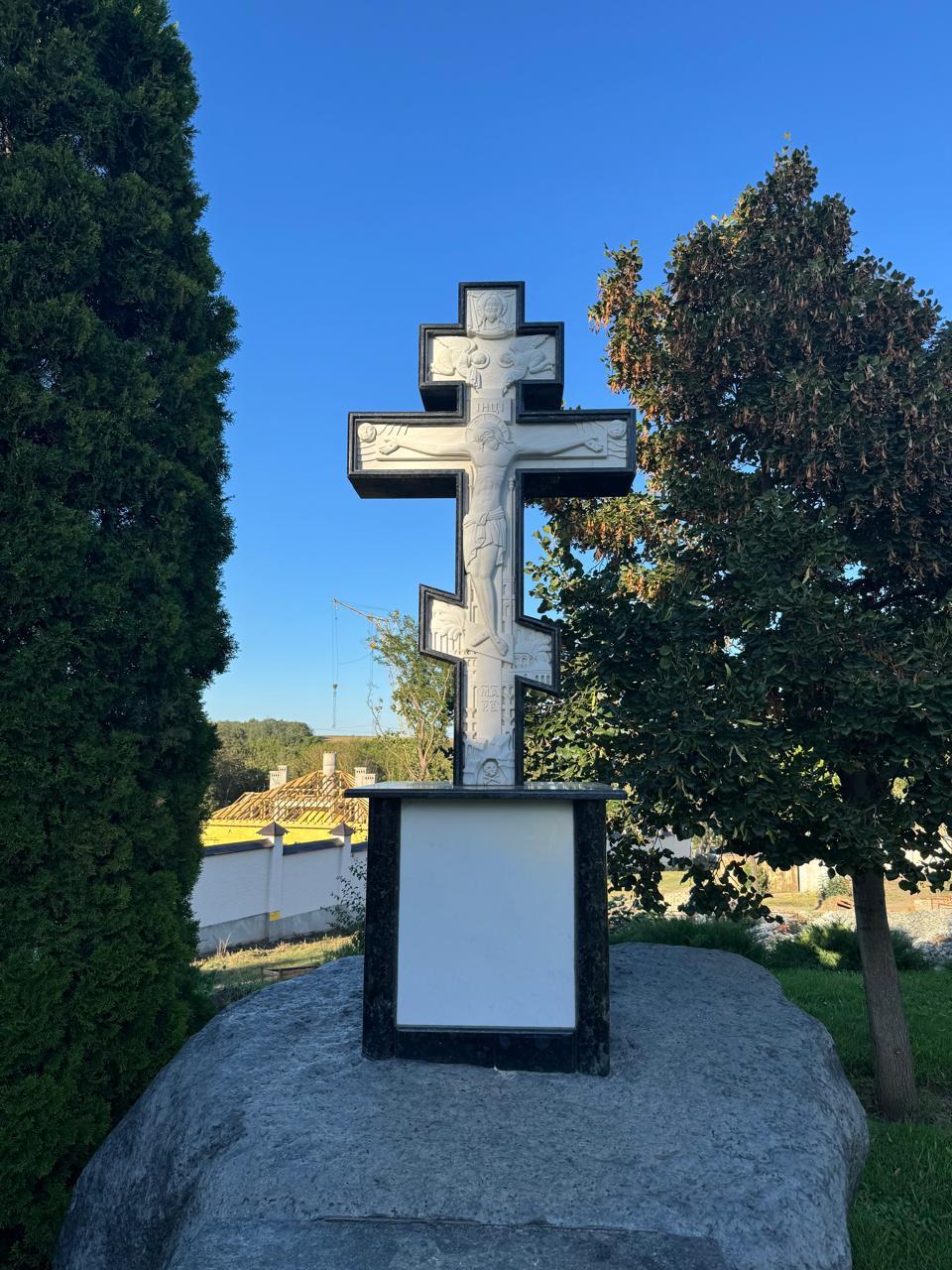
Chisinau has a strange reputation among European capitals. It is often called the least-visited capital on the continent, and that is precisely what makes it special. This is not a city that performs for tourists. It simply exists, honestly and without apology, and that authenticity is the very thing that makes it worth exploring. While Paris and Rome drown in crowds, in Chisinau you can stand in front of the Triumphal Arch and take a photograph without a stranger’s elbow in your frame, or sit on a bench in Stefan cel Mare Park beside a retiree who has been playing the same chess game for twenty years. The hidden gems of Chisinau are “hidden” not because they are difficult to reach, but because most visitors walk past them without looking up, turning a corner, or pushing open an unremarkable door. What follows is a guide to the places that genuinely deserve your time — scattered across the city’s fabric, waiting to be noticed.
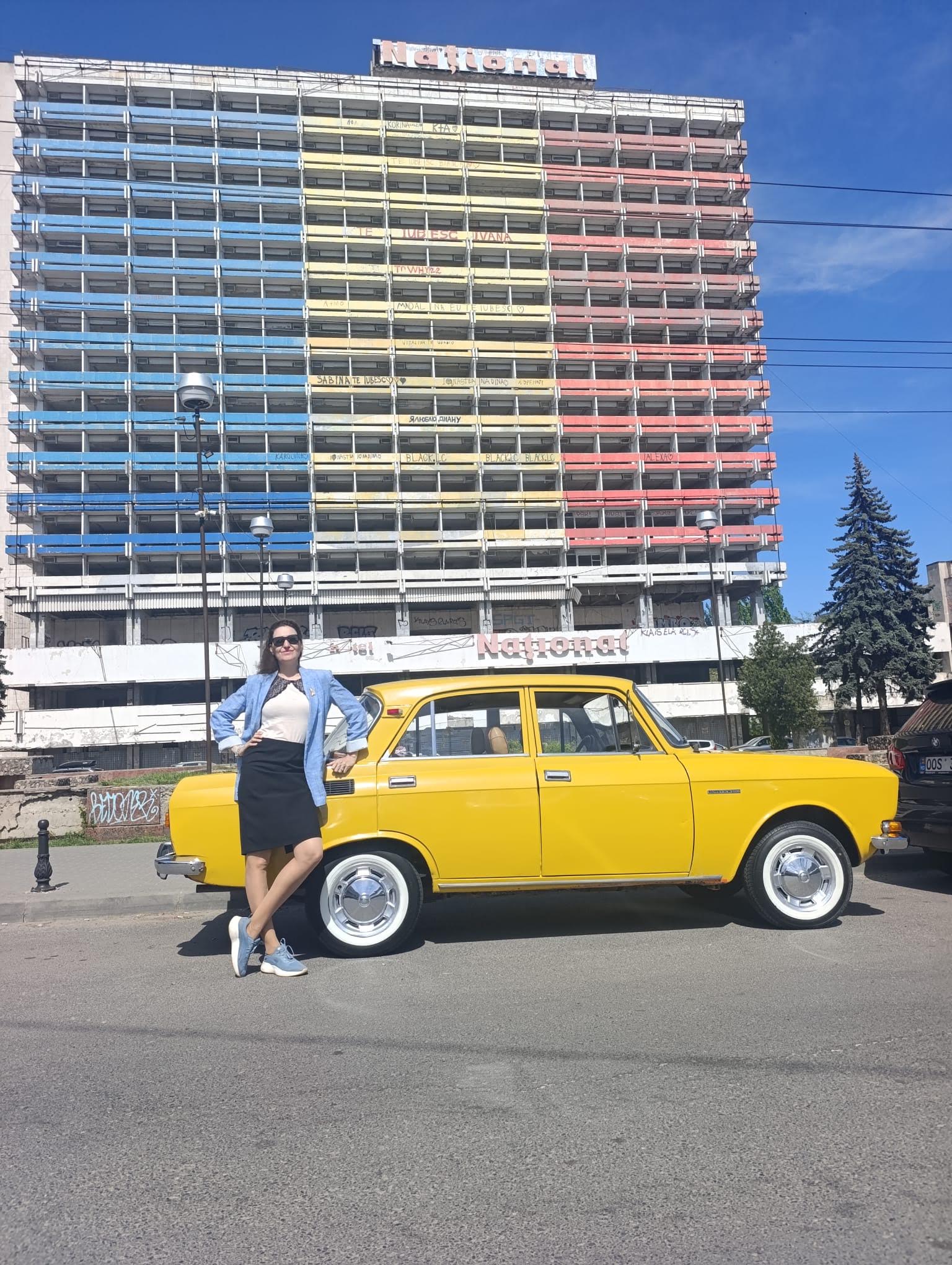
The Forgotten Soviet Skyline: Abandoned Observatories and Mosaic Murals
If you want to see the most surreal face of Chisinau, head west from the center, and near the end of Stefan cel Mare Boulevard you will find the abandoned observatory of the Pioneer Palace. It was once part of a Soviet-era children’s center, where kids looked through real telescopes at the stars for the first time, until it closed in the early 1990s when public funding dried up. Today the rusted metal dome is cracked open, and standing inside it you can look out over the entire city skyline. All that remains on the central pedestal is graffiti, and the circular track that once carried the telescope still rusts quietly, hinting at the rotation it once performed. There are no fences and no warning signs, but the structure itself is in a state of decay, so explore at your own risk, ideally in daylight and with sturdy shoes.
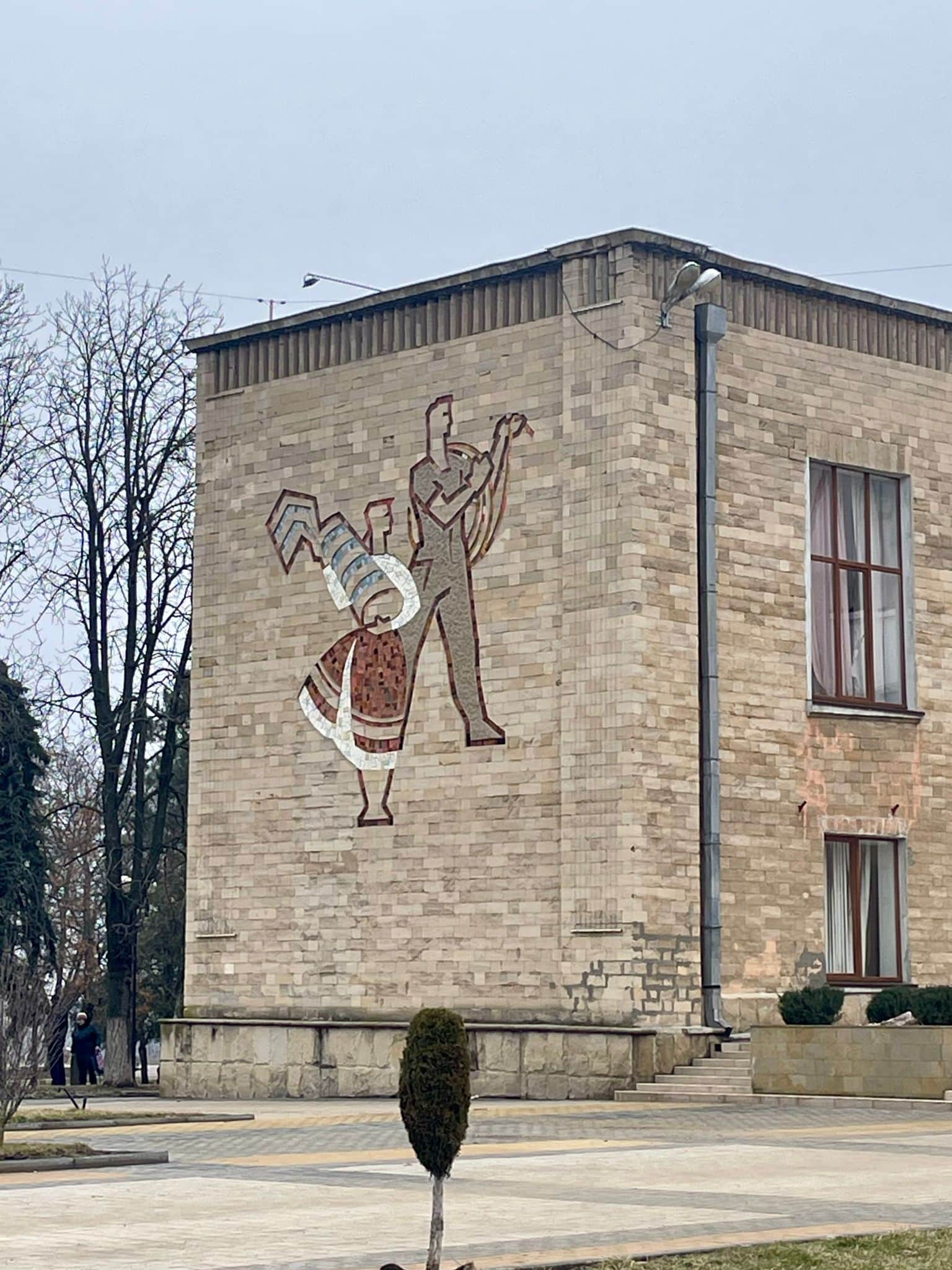
Even more hidden than the abandoned observatory are the giant Soviet-era mosaic murals scattered across the side walls of buildings throughout Chisinau. Between the 1960s and 1980s, the state commissioned artists to create monumental public art for schools, factories, bus stops, and apartment blocks, with themes ranging from socialist realism to fairy-tale narratives. Locals call the muscular, arms-raised giant on the wall of a former power plant “Thor,” but most people cannot tell you which street he is actually on. The main mosaic at the central bus station is passed by thousands of commuters every day, yet almost nobody looks up at it. There is another wall depicting a cosmic farmer plowing among the stars, known as the “Cosmic Plowman” — these works are mostly free to view, and the entrance is just an ordinary exterior wall.
Courtyards and Parks That Locals Actually Use
Chisinau’s hidden treasures are often tucked behind archways. Walk through the unnamed archway between Eminescu Street and Bucuresti Street, and you enter a different city: grapevines climbing up balconies, children playing football in the courtyard, neighbors chatting over coffee. These inner courtyards are the most honest version of the city — no signs, no tickets, nothing prepared for tourists.
As for parks, Valea Morilor Lake is packed on Sunday afternoons, but go at seven in the morning and it becomes the quietest place in the city. Joggers, swans, and the soft pink morning light above the open-air theater create a completely different picture. Around the lake there are several small surprises that are easy to miss: a rose monument inspired by The Little Prince, and a lucky duck house floating on the water — local legend says that anyone who stops to admire it will receive good fortune. Climb the waterfall stairs to the rotunda at the top for a panoramic view of the entire lake area.
The Taste Codes of Locals
The real hidden food is not in the guidebooks but in the places locals return to again and again.
CoffeeMolka is the kind of place that even locals describe by saying, “I’ve lived in Chisinau for more than twenty years and only found it last year.” The cafe is arranged like a small museum, tucked away in an inconspicuous location, the classic hidden gem that requires someone to show you the way. If you want to try traditional Moldovan flavors without the tourist crowds, La Plăcinteis a chain that locals also frequent — but the key is ordering the right things: plăcinte (flaky pastries filled with cheese, potato, or cabbage), paired with a bowl of zeamă (a chicken noodle soup soured with fermented bran juice), a flavor you will not find anywhere else in Europe.
For a dinner with a sense of ceremony, La Taifas has turned its restaurant into a traditional Moldovan farmhouse, with folk decorations, wooden furniture, and live folk music, and the staff patiently explain the menu in English. Julien Gastro Bistrot represents another side of Chisinau: the refinement of a French bistro, with a DJ on weekends and service so attentive they greet you with complimentary sparkling wine. And if what you are looking for is everyday local warmth, Pegas Restaurant serves chicken soup and shakshouka that taste like the kind of home cooking people keep coming back for.
The Places Even the Map Cannot Be Bothered to Mark
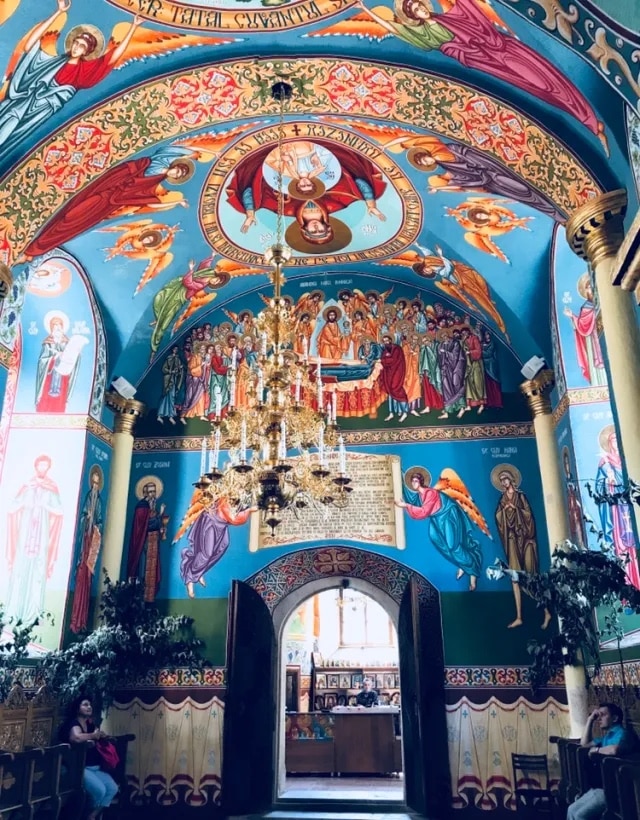
The blue walls and golden domes of Ciuflea Monastery look almost unreal in the sunlight, but the high walls and trees make it extremely easy to miss when passing on the street. It sits on the edge of the city center, entrance is free, and the frescoes and candlelight inside carry the timeless atmosphere unique to Orthodox churches.
Cricova and Mileștii Mici wineries are technically not within Chisinau itself, but they are only thirty to forty kilometers away and are genuinely jaw-dropping underground worlds. Mileștii Mici holds the Guinness-certified title of the largest wine cellar in the world, with two million bottles stretching through underground tunnels; Cricova is more cinematic — you can drive through the underground “streets,” and you can even see Putin’s private wine collection. Book in advance, and a taxi there costs less than ten euros per person.
There is one more place almost nobody knows about: Object 1180, a real Soviet nuclear bunker hidden in the Oliscani forest. You need to put on full protective gear — coveralls, gloves, boots, a flashlight — and follow a local guide through heavy blast doors into command rooms, communication centers, and dormitories, where the machinery, propaganda slogans, and control panels have not been touched since the facility was abandoned. This is not a polished museum experience; it is a real, friction-filled Cold War relic.
A Few Final Suggestions
Chisinau is not a “checklist” city. Its hidden gems are hidden precisely because the city has not learned — or perhaps refuses — to package itself for tourists. The best approach is to put away half your map, walk through those unnamed archways, sit a little longer by the lake in the early morning, look up at the side walls of buildings, and step into that small shop that does not quite look like a restaurant. Europe’s most underrated capital keeps its gifts for those willing to slow down.
Discover hidden gems in Moldova with Chisinau tours from Moldova tours.